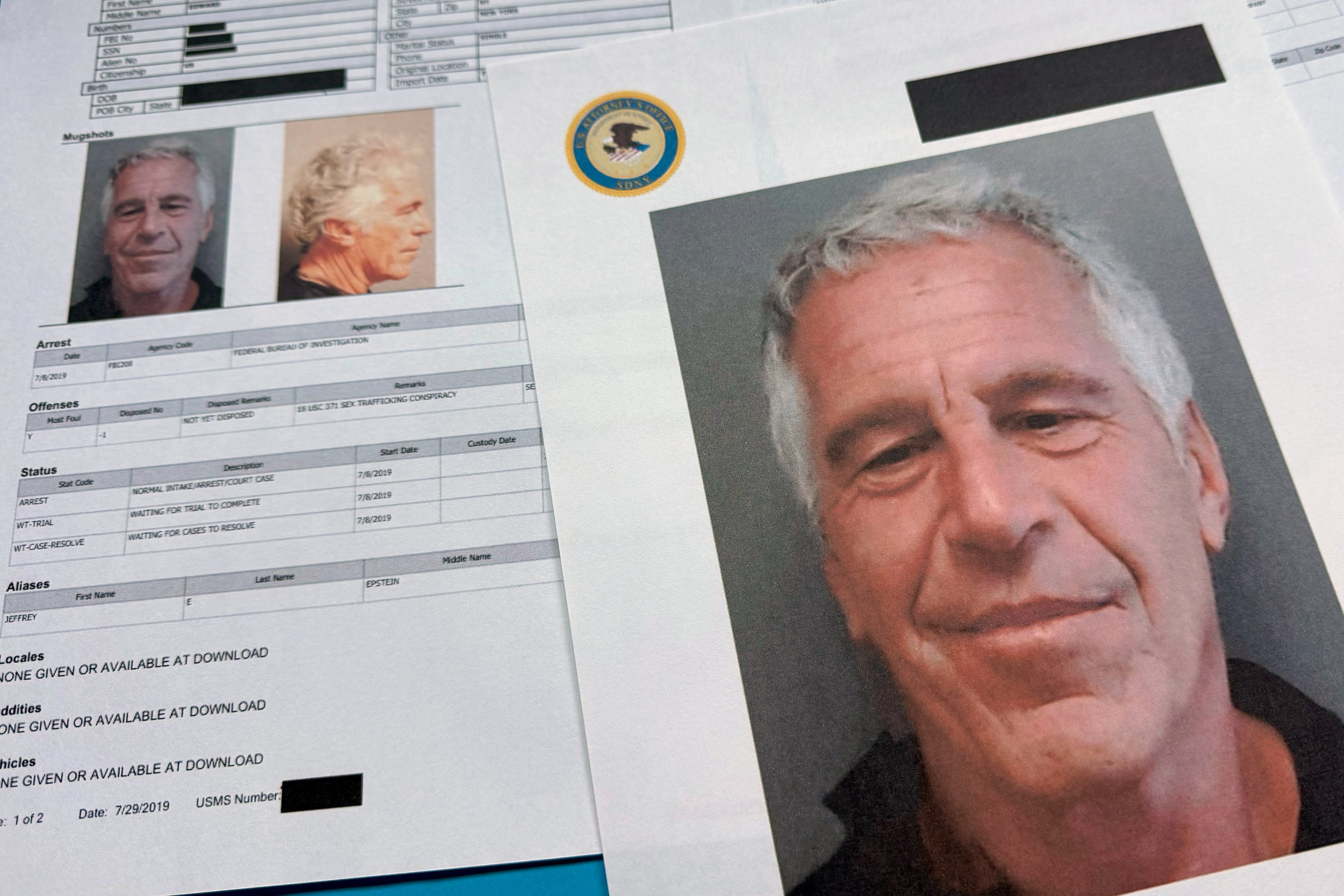
The Justice Department’s Office of Inspector General announced it will audit the department’s adherence to a statute that mandates the public release of records related to deceased sex offender Jeffrey Epstein. The review, initiated by the acting inspector general, comes amid mounting criticism from both Republicans and Democrats that the DOJ has failed to fully comply with the law and has improperly shielded the identities of some individuals named in the documents.
“The DOJ Office of the Inspector General is initiating an audit of DOJ’s compliance with the Epstein Files Transparency Act,” the office said in a statement. “Our preliminary objective is to evaluate the DOJ’s processes for identifying, redacting, and releasing records in its possession as required by the Act.”
The audit will examine how the department established guidelines for sifting through approximately six million files, what directives were given to staff about what could be withheld or redacted, and how DOJ handled “post-release publication concerns,” including the inadvertent disclosure of victim identities that were supposed to be protected under the law. “If circumstances warrant, the OIG will consider addressing other issues that may arise during the course of the audit,” the statement added.
The Hill has reached out to DOJ for comment. The department has faced persistent questions about the extent of its compliance. Acting Attorney General Todd Blanche has previously stated that just over three million files have been made public, with DOJ telling lawmakers the remainder are duplicates. Lawmakers, however, have insisted that all files must be released.
Even after DOJ said it had released its final batch of records, it published additional documents following reports that the department had omitted all records from an interview with a woman who accused President Trump of a violent encounter when she was a minor. Following that release, various outlets reported that about 30 pages from her account were still missing. The department has also come under fire for redactions that failed to cover the names of Epstein victims, while others shielded the identities of individuals who communicated with the financier.
After being permitted to review unredacted files in a DOJ office, lawmakers complained that many documents remained redacted. The department said those redactions were present in the files as they were received. Before leaving, Reps. Ro Khanna (D-Calif.) and Thomas Massie (R-Ky.), the sponsors of the law, said they saw the names of six men who were “likely incriminated” among the redacted files. Khanna later took to the House floor to reveal those names.
The controversy echoes broader tensions over transparency in high-profile investigations. In a related development, House Oversight Democrats have accused GOP leaders of stalling the Epstein probe by canceling formal hearings, while the Gates Foundation has launched an external probe into its Epstein ties amid fresh document revelations.
In her last appearance before Congress before being fired, former Attorney General Pam Bondi defended the department’s handling of the files. “We were given 30 days to review and redact and unredact millions of pages of documents. Our error rate is very low,” she said.