The Justice Department has instructed its prosecutors to intensify efforts against birth tourism fraud, a move that comes on the heels of a Supreme Court decision that upheld birthright citizenship. The directive, issued Tuesday by the Office of the Deputy Attorney General, marks the administration's response to a legal defeat that struck down President Trump's executive order seeking to end automatic citizenship for children born in the U.S. to noncitizen parents.
In a memo obtained by The World Signal, Colin McDonald, head of the DOJ's fraud division, urged all criminal division staff to “prioritize the investigation and prosecution of birth tourism schemes.” The memo emphasizes using existing statutes—including wire fraud and money laundering—to crack down on what the department describes as exploitation of the immigration system. “The Department of Justice will zealously protect the sanctity of United States citizenship by investigating and prosecuting those who fraudulently exploit our immigration system,” McDonald wrote.
Birth tourism, where pregnant women travel to the U.S. specifically to give birth so their children gain citizenship, is already illegal. But the memo signals a more aggressive enforcement posture, directing prosecutors to consider charges beyond immigration fraud. This shift comes after the Supreme Court upheld birthright citizenship in a ruling that dealt a significant blow to Trump's immigration agenda.
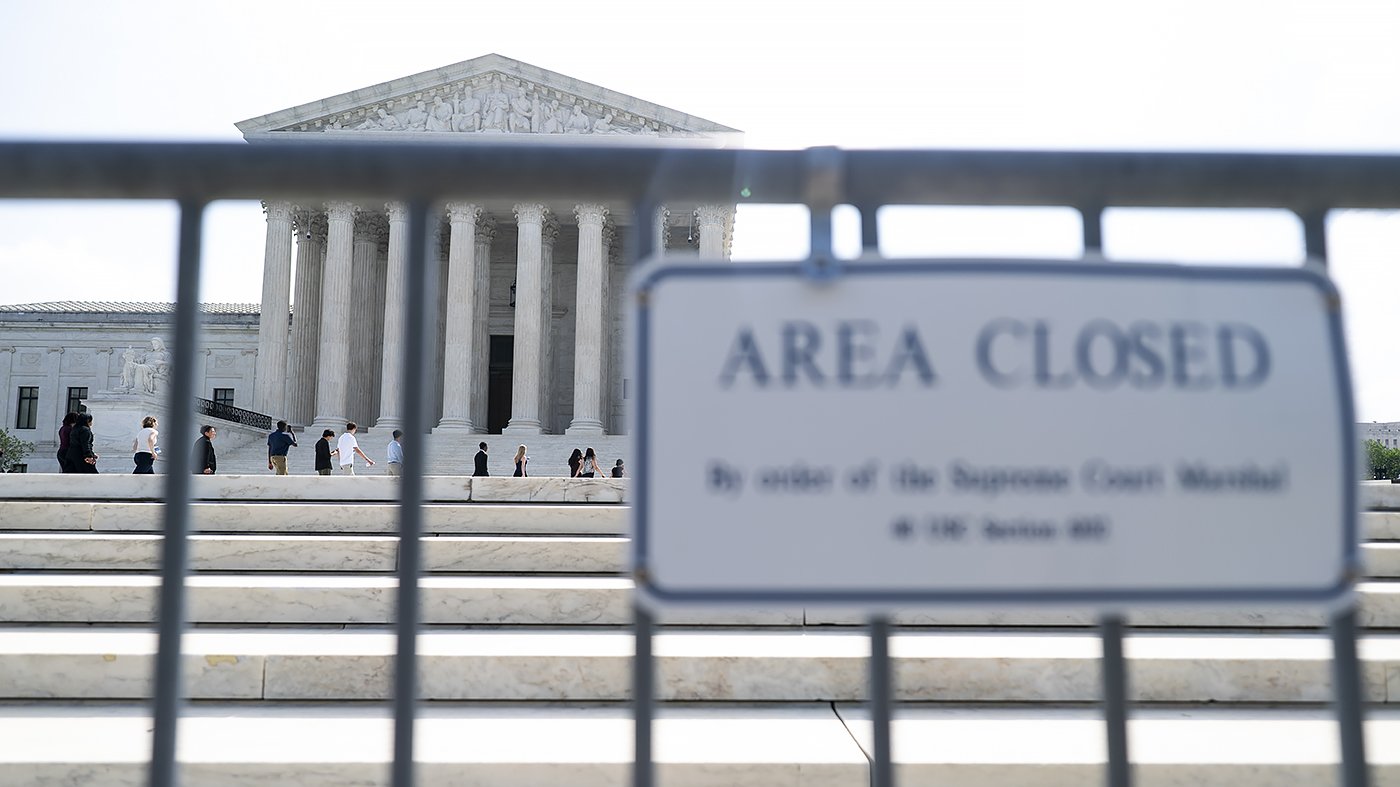
The high court's 6-3 decision, written by Chief Justice John Roberts, affirmed that the 14th Amendment guarantees citizenship to nearly all children born on U.S. soil, including those whose parents are in the country without legal status. Roberts dismissed Trump's executive order as lacking historical or legal support, writing, “The trouble is that there is scant evidence for this dramatically revisionist view.” The ruling was joined by the court's three liberal justices and Justice Amy Coney Barrett.
Despite the legal setback, Trump signaled he would push for legislative action, posting on Truth Social that Congress could “easily” end birthright citizenship through new laws. “The Supreme Court upheld Birthright Citizenship, which is too bad for our Country, but we can easily make it up in Congress through Legislation,” he wrote. However, such a move would face steep constitutional hurdles, as the 14th Amendment's Citizenship Clause has been interpreted broadly for over a century.
Studies suggest birth tourism is relatively uncommon. The Migration Policy Institute estimated earlier this year that up to 26,000 births annually—out of more than 3.5 million U.S. births—could be linked to the practice. That figure, based on Census Bureau data, represents a tiny fraction of total births, though the institute noted that exact numbers are difficult to verify.
The DOJ's focus on birth tourism fraud is part of a broader pattern of enforcement actions following the Supreme Court's term, which also saw rulings on transgender bans and campaign finance. In a related development, some Republican lawmakers have called for Congress to act on birth tourism, as Representative Lawler argued that legislation is needed to close loopholes. Meanwhile, legal experts warn that any attempt to legislate away birthright citizenship could trigger prolonged court battles.
The administration's pivot to fraud prosecution reflects a strategic retreat from the broader constitutional fight, as the DOJ seeks to enforce existing laws without reopening the 14th Amendment debate. Critics argue the move is largely symbolic, given the rarity of birth tourism, while supporters see it as a necessary step to uphold immigration integrity.