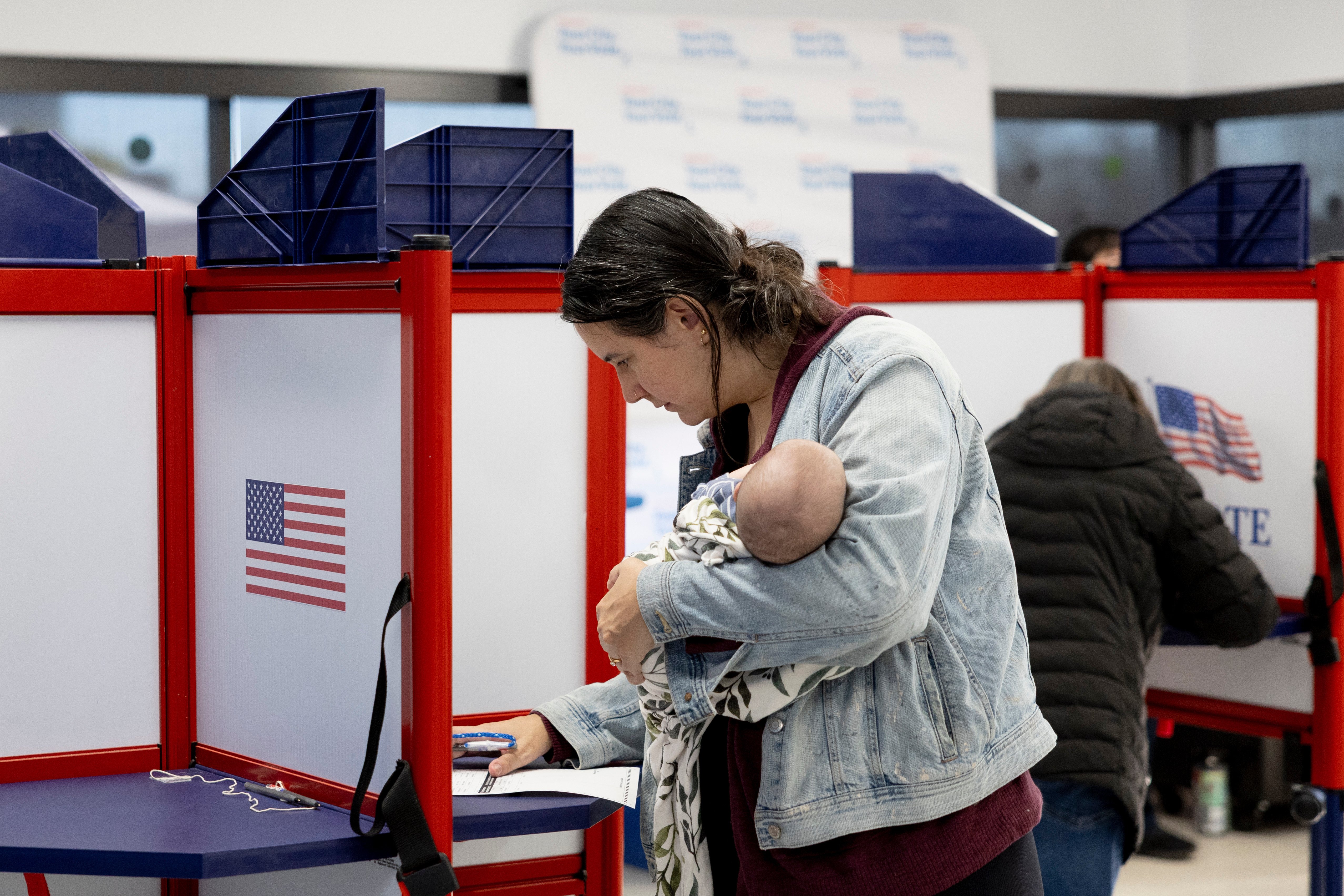
The Justice Department deployed roughly 20 staffers from its Civil Rights Division to monitor voting in Minnesota's primary election on Tuesday, focusing on the state's two most populous counties. The move comes amid heightened friction between federal authorities and local officials over election oversight.
According to a department announcement, the monitors were assigned to polling locations in Hennepin and Ramsey counties. Harmeet Dhillon, the assistant attorney general for the Civil Rights Division, said in a statement that the department is "committed to nondiscriminatory monitoring throughout the primary and general election seasons."
However, Hennepin County, which includes Minneapolis, declined a request from the DOJ last week to allow monitors inside polling sites. A county spokesperson told The Hill that the decision was made "after hearing repeated concerns from residents about safety and the presence of federal officials in their communities." The spokesperson added that Minnesota elections are governed by state law and that while previous DOJ monitoring had been unproblematic, officials this year prioritized "a safe, orderly, and welcoming environment for voters."
Hennepin County Attorney Mary Moriarty shared details on social media about the DOJ monitors' presence, noting they would be in plainclothes and required by state law to stay at least 100 feet from polling centers. "Our office remains committed to protecting a fair and democratic election," Moriarty wrote. "Any reports of threats or harassment will be reviewed and, if appropriate, prosecuted."
The tension reflects broader unease in Minnesota, which was a focal point of the Trump administration's immigration enforcement earlier this year. Federal agents fatally shot two residents during a January operation in Minneapolis, intensifying local distrust of federal law enforcement.
Tuesday's primary features several high-stakes races, including the Minnesota governor primaries, where former MyPillow CEO Mike Lindell, endorsed by President Trump, is competing for the Republican nomination, while Sen. Amy Klobuchar leads the Democratic field. The outcomes could shape the 2026 midterm landscape, as primaries in Wisconsin, Minnesota, and South Carolina set the stage for the midterms.
The DOJ noted that its Civil Rights Division has a history of deploying staff to enforce federal voting laws. This primary season, the department has already sent 50 monitors to seven counties, including three in Arizona, two in Michigan, and two in Virginia, according to a department spokesperson.
U.S. Attorney Daniel N. Rosen for the District of Minnesota praised the effort in the department's release: "Election monitoring is critical to ensuring our elections have the trust of Minnesotans. We are proud to partner with the Civil Rights Division in this effort."
Polls close at 8 p.m. local time, and results are expected to begin flowing shortly thereafter. Democratic lawmakers have expressed concerns that the Trump administration could attempt to interfere in the midterm elections, although no such interference has been reported in Minnesota so far.