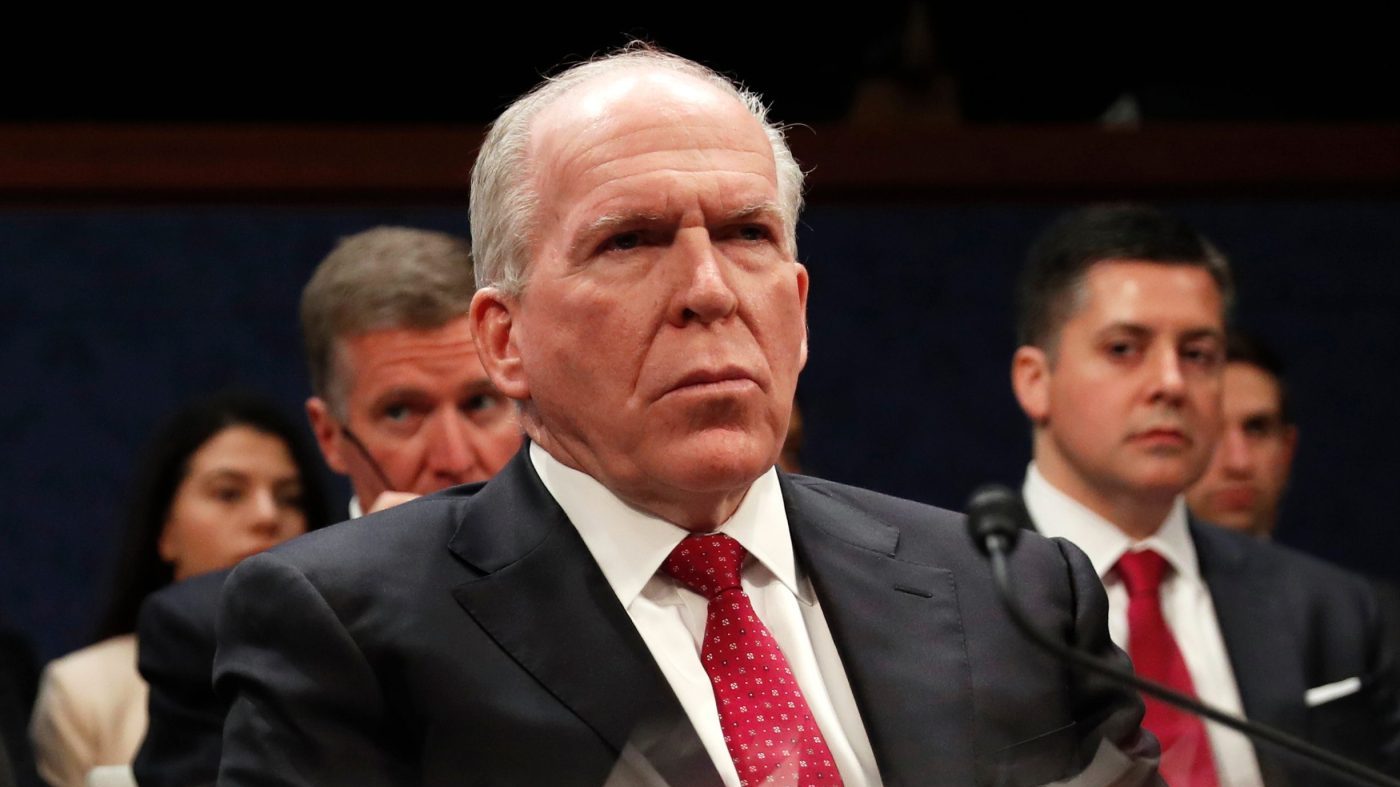
The Department of Justice has withdrawn a series of grand jury subpoenas issued over the weekend in its investigation of former CIA Director John Brennan, according to an Associated Press report. Federal investigators informed attorneys late Monday that they would seek voluntary interviews with witnesses instead of compelling testimony before a Washington, D.C., grand jury.
Origins in a Congressional Referral
The criminal probe stems from a referral made last year by House Judiciary Committee Chairman Jim Jordan (R-Ohio). Jordan alleged that Brennan provided false statements to the committee in 2023 regarding a January 2017 intelligence assessment on Russian interference in the 2016 presidential election. The case had been assigned to prosecutors in the DOJ's Southern District of Florida office.
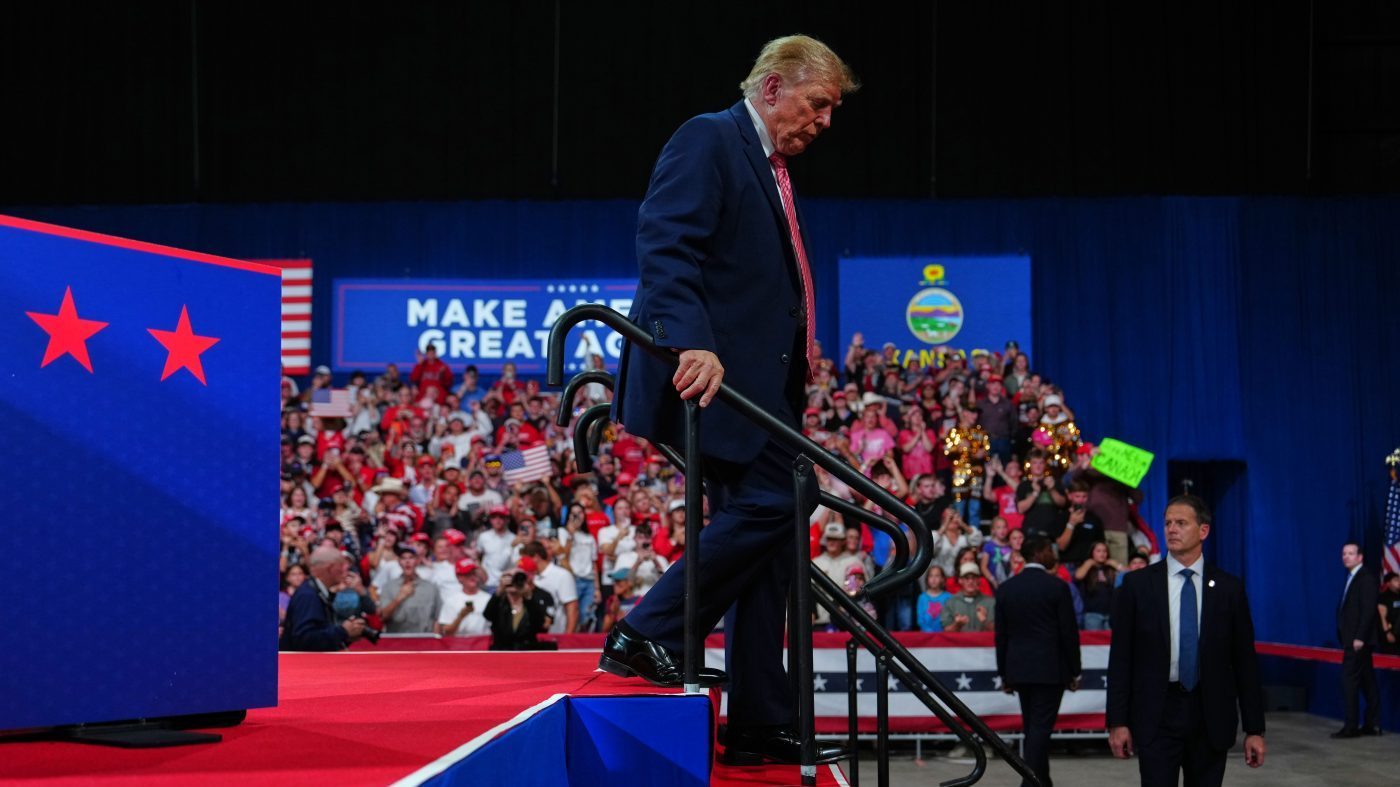
Former President Donald Trump has repeatedly targeted Brennan, along with former FBI Director James Comey and former Director of National Intelligence James Clapper, for the intelligence community's conclusion that Russia sought to assist his 2016 campaign. Officials from the Obama administration stated Russia did not alter vote totals, a finding reiterated in a July memo from current DNI Tulsi Gabbard.
Brennan Defends Record
Following reports of the withdrawn subpoenas, Brennan defended his actions during the 2016 election period. "I am quite proud of what we did to uncover and expose Russian interference in that 2016 election," he said on MSNBC's 'Deadline: White House.' He added, "I am glad that there are individuals, prosecutors... who take their oath of office seriously and are going to continue to pursue the facts and will not fabricate any type of charges just because their political overseers direct them to do so."
Pattern of Investigations Under Scrutiny
Since Trump's return to office, the Justice Department has initiated multiple probes into his political adversaries, including Brennan, Comey, New York Attorney General Letitia James, and Federal Reserve Chair Jerome Powell. However, these investigations have faced significant legal hurdles. A federal judge in November dismissed grand jury indictments against Comey and James, ruling that the interim U.S. attorney who brought the cases was unlawfully appointed.
Similarly, a judge last month ruled that subpoenas issued by the office of U.S. Attorney for the District of Columbia Jeanine Pirro in the investigation of Federal Reserve Chair Jerome Powell could not be enforced. This context highlights the ongoing tension between the executive branch's prosecutorial authority and judicial oversight, a theme also evident in Trump's recent defense of the DOJ's investigative actions against Powell.
The shift from compulsory subpoenas to voluntary requests in the Brennan case suggests a recalibration of prosecutorial tactics. It occurs amid broader questions about the department's independence and the legal sustainability of cases stemming from politically charged referrals. The department has not publicly commented on the subpoena withdrawal.
This development underscores the complex intersection of law, politics, and intelligence that has defined the aftermath of the 2016 election. It also reflects the challenges facing a Justice Department navigating investigations into high-profile figures from a prior administration, a situation paralleled by the department's recent rebuff of a French request for assistance in a separate probe involving Elon Musk's X platform.