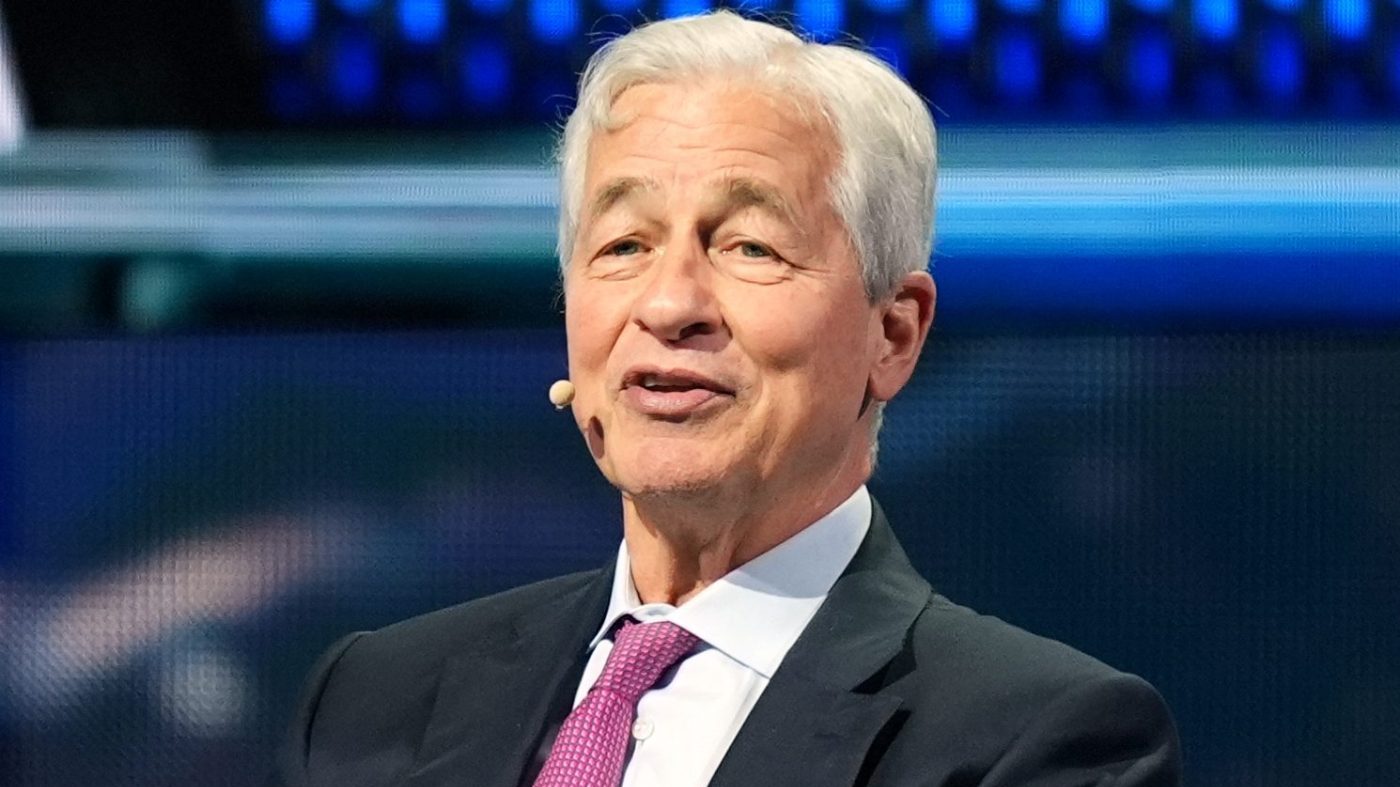
JPMorgan Chase chairman and CEO Jamie Dimon took the stage at the Reagan National Economic Forum on Friday, delivering a stark warning about the economic toll of the ongoing war in Iran. With inflation already squeezing households and businesses, Dimon argued that the conflict could keep price pressures elevated for years, raising the risk of a downturn.
In his annual letter to shareholders last month, Dimon flagged what he called “the skunk at the party” — the possibility that inflation, instead of easing, could begin to creep upward again. “This alone could cause interest rates to rise and asset prices to drop,” he wrote, cautioning that such a scenario might materialize as soon as 2026. Speaking at the forum, he reiterated those concerns, noting that the war has disrupted energy markets and supply chains, complicating the Federal Reserve’s efforts to tame inflation.
The forum comes amid reports that the U.S. and Iran have reached a tentative agreement to reopen the Strait of Hormuz, a critical chokepoint for global oil shipments. U.S. officials say the deal could help lower energy prices and reduce the risk of a recession, but President Trump has not yet given his final approval. The Wall Street Journal editorial board has warned that such a deal would amount to an “economic bailout” of the Iranian regime, sparking a debate within the administration.
Dimon’s remarks also touched on broader economic anxiety among consumers. A new poll shows growing financial unease under Trump’s economic policies, with many Americans citing the Iran conflict as a primary driver of their pessimism. Consumer sentiment has hit record lows, and the uncertainty has weighed on business investment.
The Reagan National Economic Forum, named after the 40th president, has historically been a venue for conservative economic thought. Dimon’s appearance there underscored the cross-party concern about the war’s economic fallout. He did not endorse any specific policy response but urged policymakers to prepare for a prolonged period of higher interest rates.
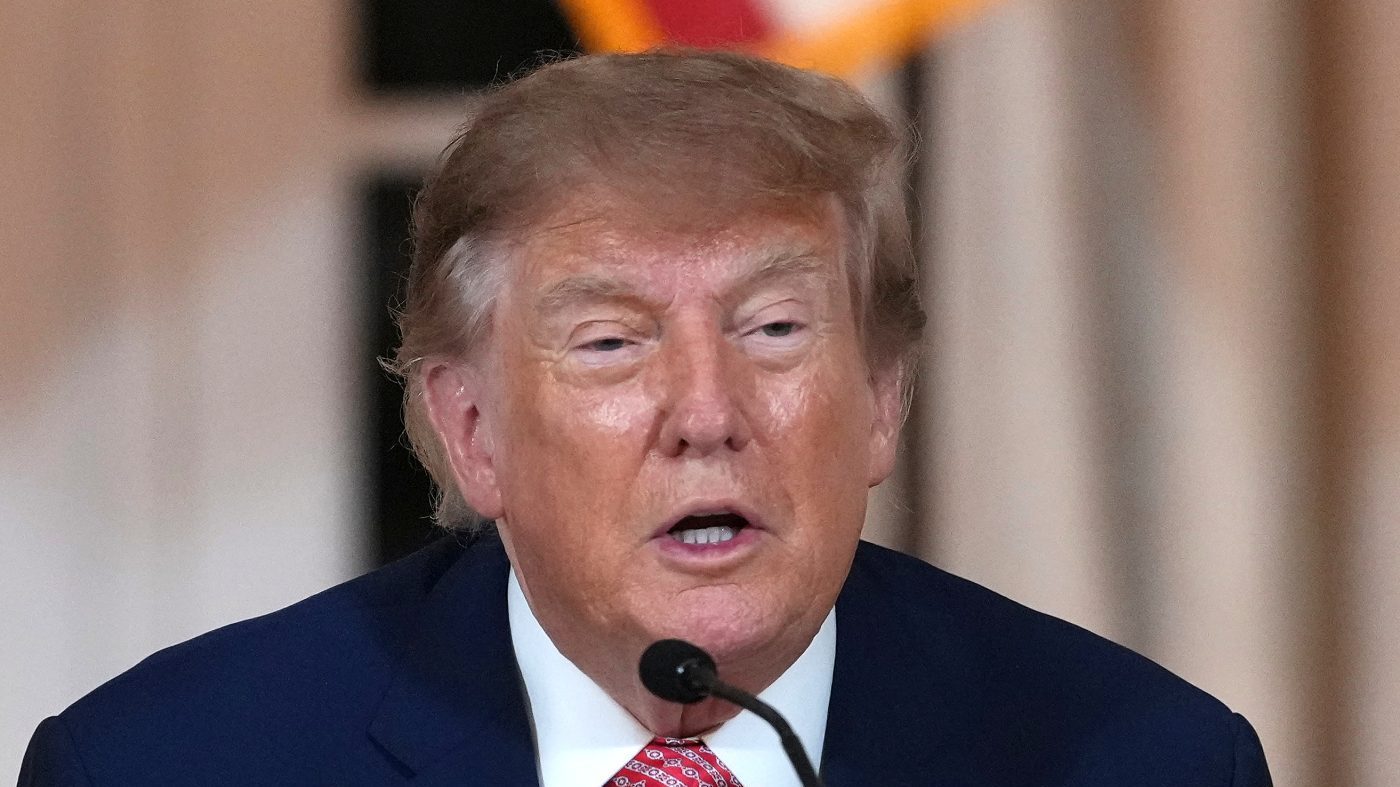
Dimon’s warning comes as the administration faces pressure on multiple fronts. Trump recently returned from Beijing talks aimed at de-escalating tensions, but economic jitters persist. Meanwhile, the president has been campaigning in key swing districts, touting his economic record even as headwinds mount.
For now, all eyes are on the Strait of Hormuz negotiations. If Trump gives the green light, it could provide a short-term boost to energy markets. But Dimon’s message was clear: the underlying inflation risks remain, and the war has fundamentally altered the economic landscape.
Dimon’s speech was scheduled for noon EDT and was streamed live. The forum continues through the weekend, with additional sessions on trade, fiscal policy, and the future of the global economy.