On election night, MSNBC's Joe Scarborough pulled out a handwritten list of controversies that have dogged the Trump administration this year—from accusations of grifting to the Epstein files to Operation Metro Surge—and asked how Republicans had piled up so many political liabilities in such a short span. He ticked off the Big Beautiful Bill, health care cuts, and tariffs, then made a striking historical comparison: 'I still believe that when history books are written, that Minneapolis will be the end. That will be the Pickett's Charge version of this administration.'
Pickett's Charge, of course, was the doomed Confederate assault at Gettysburg—the moment the Civil War turned irreversibly. Scarborough's analogy suggests that Minneapolis could be the political equivalent: the point of no return for this administration, when the cumulative weight of its decisions becomes impossible to reverse.
Voters are already feeling the weight. The Iran war is perhaps the clearest example of the gap between Trump's campaign promises and his governing reality. Republicans spent months warning that a Kamala Harris presidency would drag America into another Middle Eastern conflict. Yet here we are, with Trump overseeing one himself. According to Axios, Vice President Vance and White House envoy Steve Witkoff are pressing Trump toward a deal, worried that restarting the war won't meaningfully improve the situation. Israeli Prime Minister Benjamin Netanyahu and Defense Secretary Pete Hegseth, by contrast, reportedly want to resume combat.
Trump has been blunt about his indifference to the political fallout. In May, he said, 'I don't care about the midterms.' That statement essentially told voters that the consequences of his decisions are not his concern. But the midterms are a referendum on the party in power, and while Trump wasn't on the ballot, the Republicans who ran—and those planning future campaigns—were certainly paying attention. The results were a stark reminder that elections have consequences, even for a president who claims not to care about them.
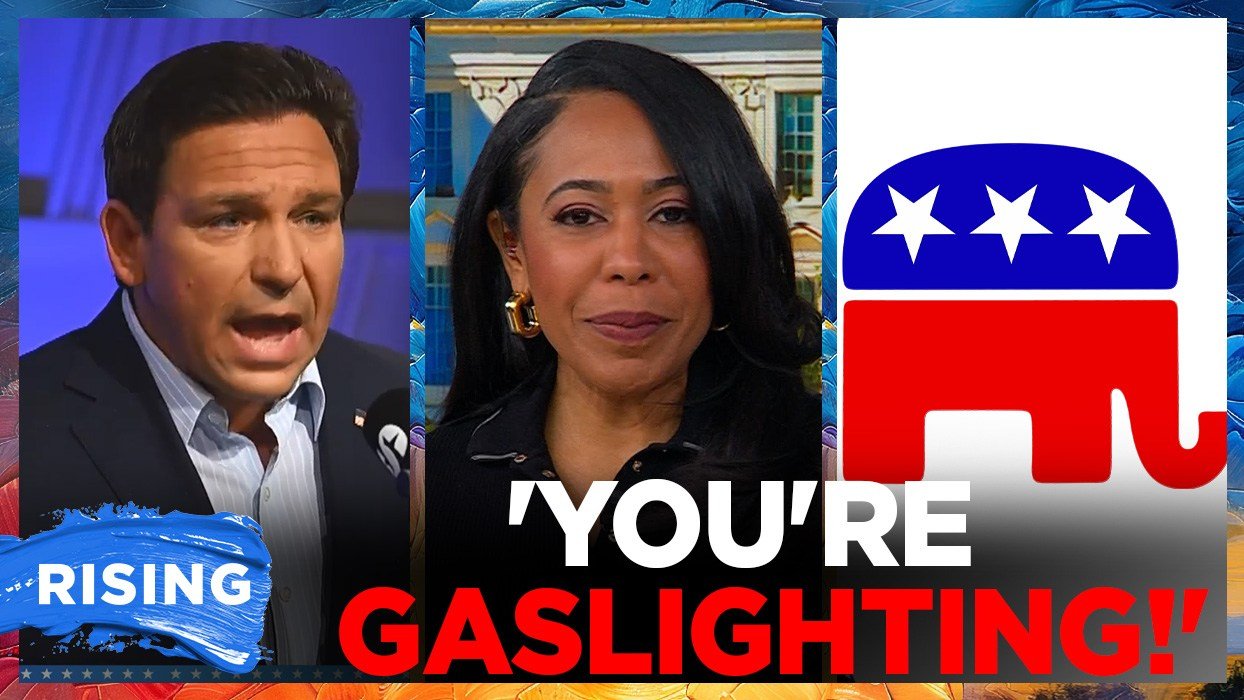
Enter Florida Governor Ron DeSantis. Appearing on Straight Shooter with Stephen A. Smith, DeSantis delivered a blunt message to his own party: stop lying to voters. 'Some of these Republicans, they're trying to blame Biden for—no, no. Listen, we just got to be honest,' DeSantis said. 'Gas is higher. It hurts people, working-class people, and it's higher because of this conflict. That's just the fact. If you can't admit that to voters, then you're gaslighting them.'
DeSantis's critique goes beyond messaging. He's acknowledging that the war has created real economic pain for working Americans, and he warned that the conflict could haunt the GOP for years. 'If it drags on for the rest of his presidency it's going to be devastating to his ability to get anything done and it is going to be very, very difficult for Republicans in the next cycle,' he said.
The administration has spent enormous political capital defending decisions that are increasingly disconnected from the promises that helped put Republicans in power. The midterm rout was widely read as a voter verdict on those broken promises. Even conservative voices like the Wall Street Journal editorial board have blamed Trump directly for the losses, while Vance has tried to pin the blame on the Iran war, dismissing other factors.
DeSantis's warning is a sign that the party's internal debate over how to explain its losses is just beginning. Some Republicans want to double down on the administration's narrative; others, like DeSantis, are calling for honesty about the costs of the war and the economy. The midterms have left the GOP with a very expensive bill—and a choice about whether to keep paying it or finally face reality.