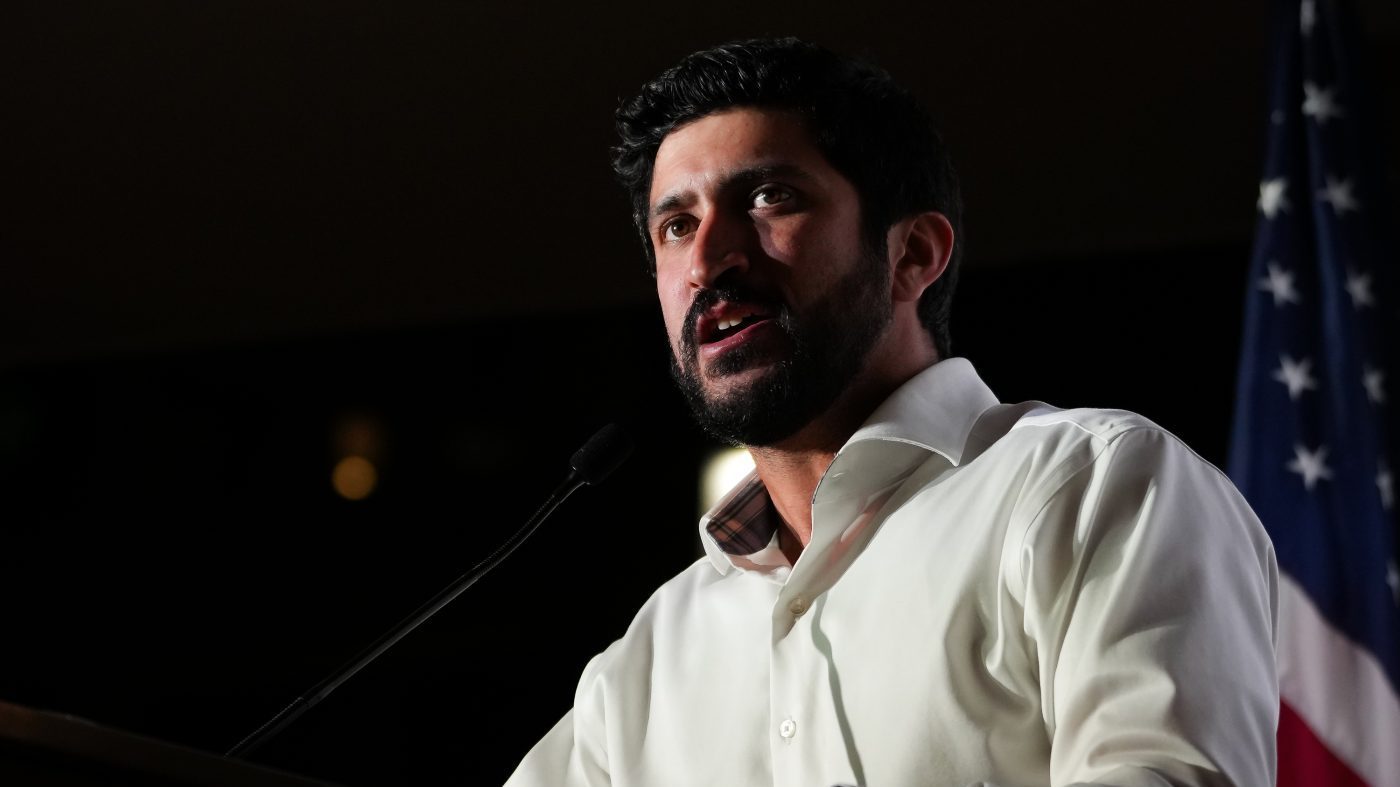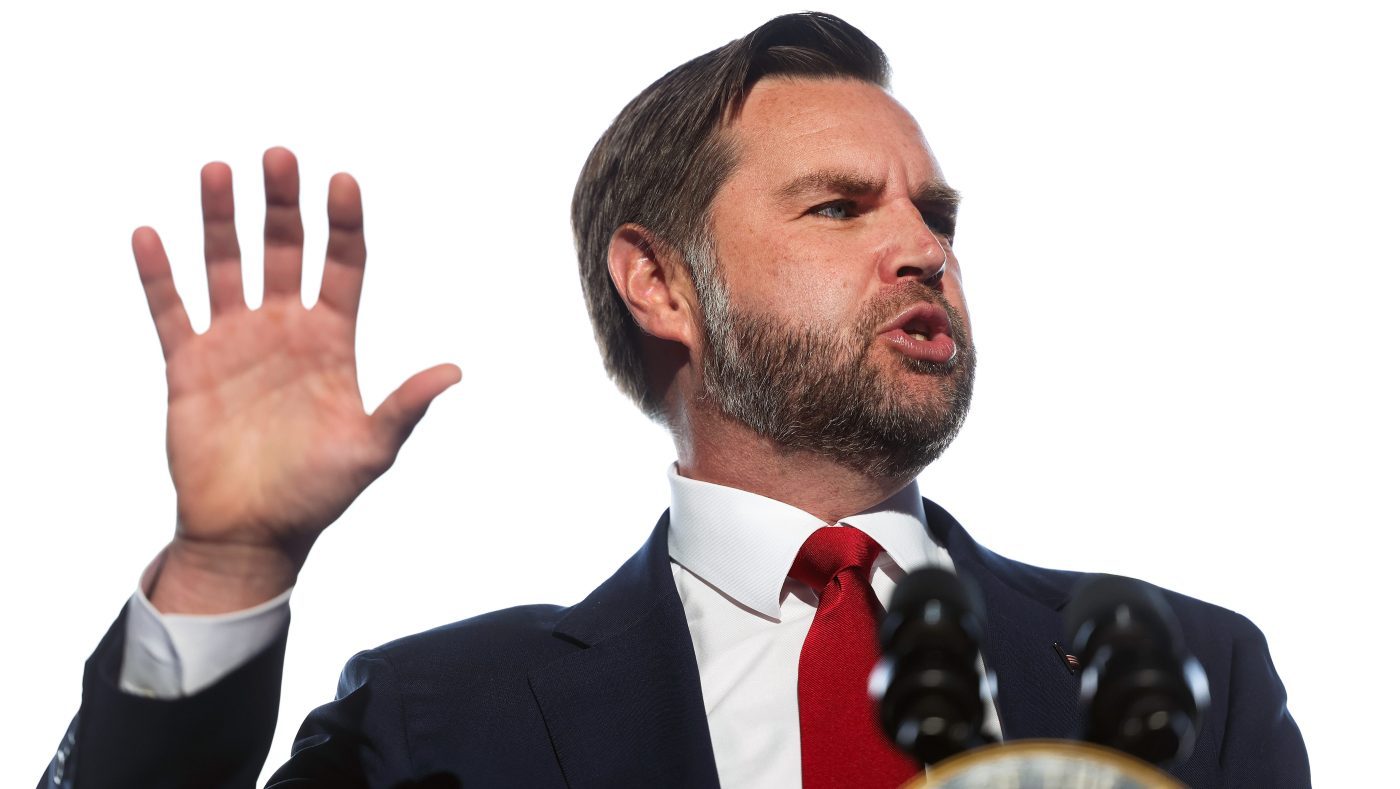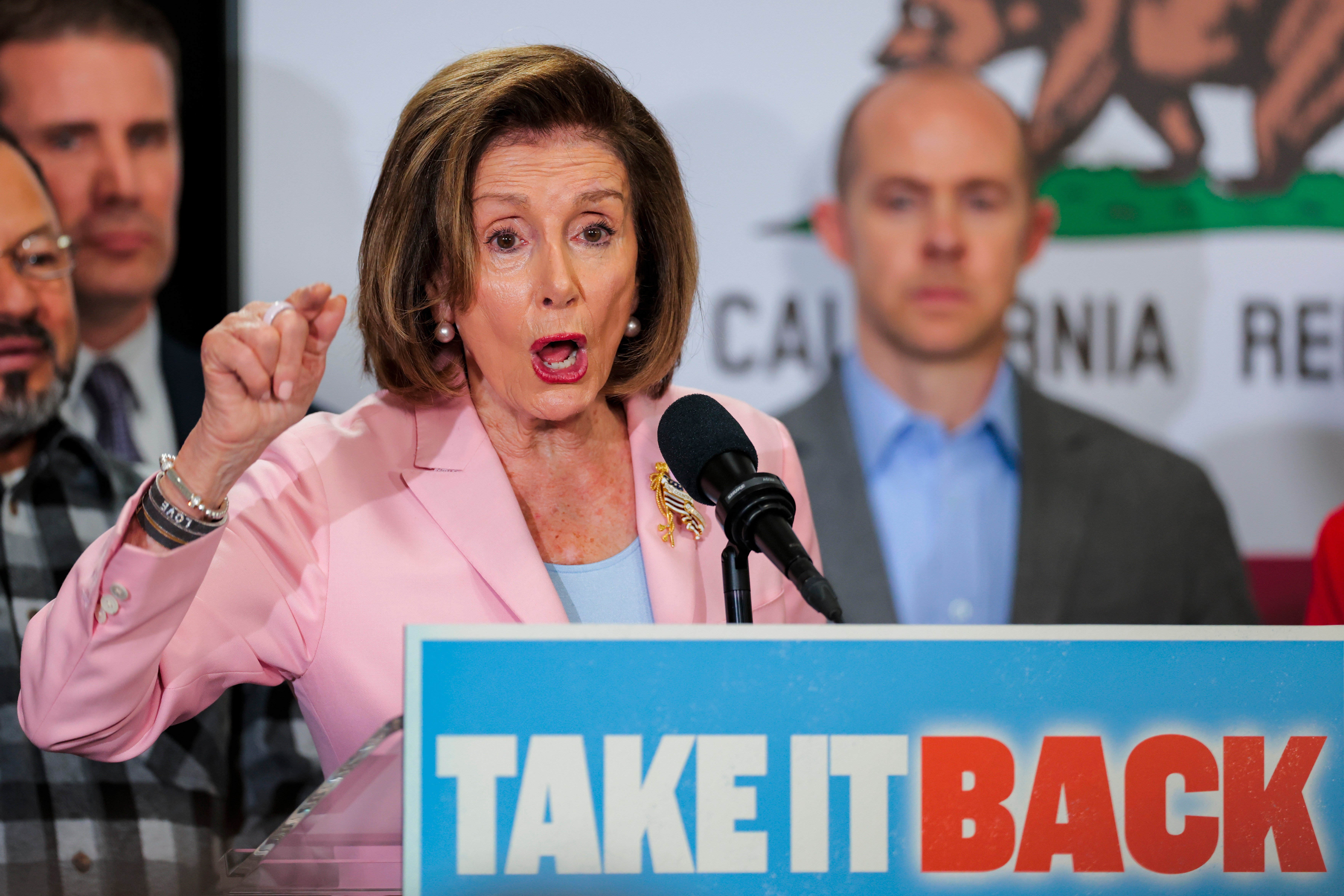
When the 120th Congress convenes in January 2027, corporate America could find itself in the crosshairs of a Democratic majority intent on accountability. Beyond the administration and the Trump family, business leaders are likely to face the sharpest scrutiny, as many on the left believe they capitulated to political pressure over the past two years.
The implications are significant. Companies that cultivated close ties with the White House, funded presidential initiatives, secured lucrative government contracts, or benefited from lax enforcement may soon be summoned to testify in contentious hearings. The toughest questions may focus not just on actions, but on motives: Were public commitments traded for access? Did boardrooms prioritize profit over principle? What did executives know, and when?
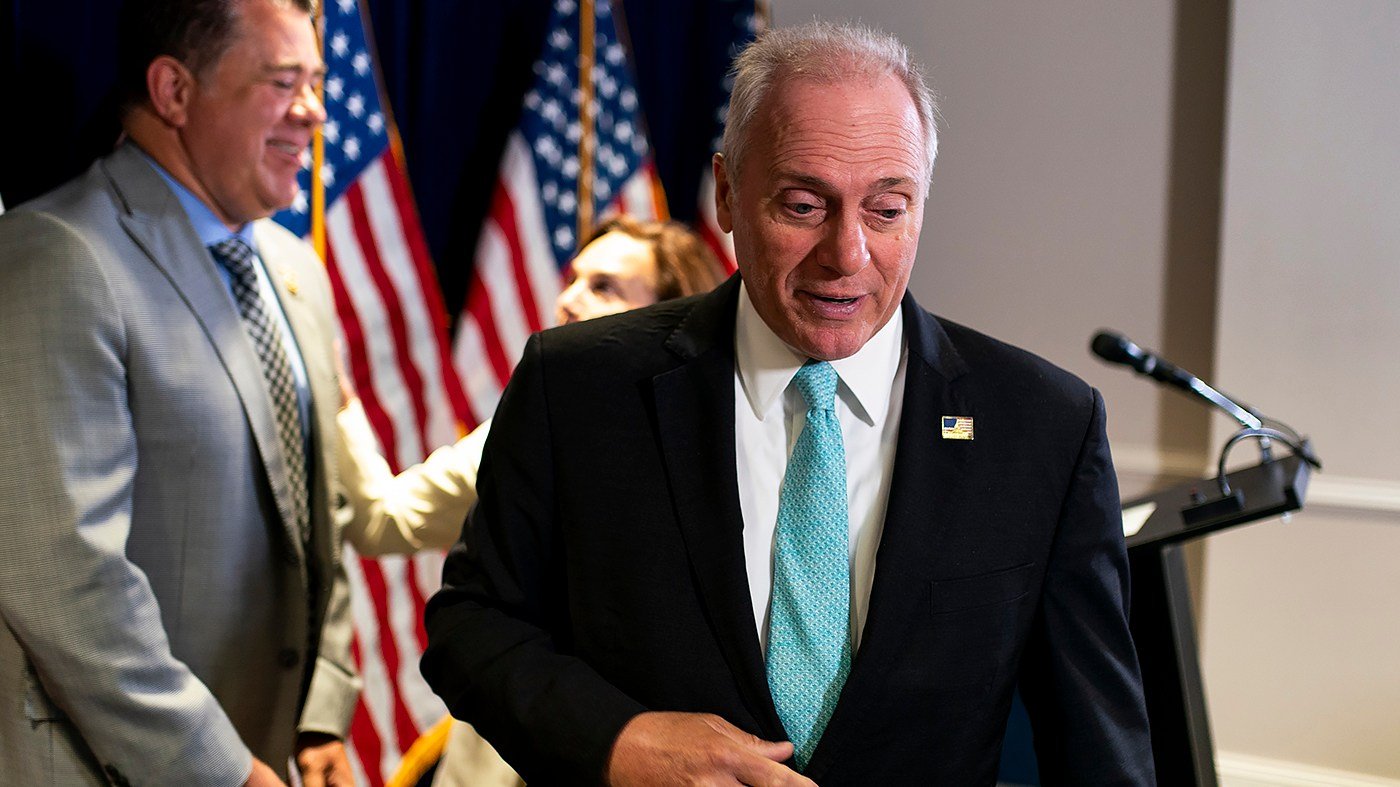
CEOs who assume scrutiny will be limited to political donors or Silicon Valley are missing the bigger picture. Banking, insurance, media, healthcare, transportation, energy, manufacturing, and international trade are all potential targets. As Democrats seek to hold billionaires and high-profile business leaders accountable for what they view as political profiteering, no industry is immune from the party's pent-up frustration after years out of power.
Nor should executives mistake divided government for congressional impotence. While a Democratic House cannot pass its full legislative agenda without the Senate and the president, it can demand documents, summon witnesses, and conduct investigations within its jurisdiction. Subpoenas and document requests can be just as disruptive as legislation—sometimes more so. Legislation may die at the White House doorstep, but an investigation can persist for months or years.
If Democrats also capture the Senate, the stakes rise further. Committees in both chambers could investigate the same company from different angles, while advancing legislation on antitrust, finance, data privacy, labor, and trade. Dual control would enable an aggressive legislative agenda designed to make up for lost ground.
Imagine a CEO, under oath, explaining an internal email about a government contract, a merger review, or a private conversation with a high-ranking official. Edited for maximum media effect and broadcast on a 24-hour loop, such a moment could become a company's worst nightmare. The media's appetite for political drama is insatiable, and a CEO under fire makes for compelling viewing.
K Street is already anticipating the boom. Lawyers, lobbyists, and consultants see a congressional reckoning as a growth market: subpoena responses, document reviews, mock hearings, witness prep, negotiations with committee staff, crisis communications, and the litigation that follows. Corporate clients should prepare for a modern-day inquisition into their practices and priorities over the last two years—and be ready to pay handsomely for legal and PR support.
Hearings, however, are just the beginning. Public spectacle can rattle investors, embolden activists, invite shareholder lawsuits, trigger state enforcement, and provoke consumer backlash—even when accusations prove unfounded. Stock prices and reputations can suffer immediate damage, with recovery taking months.
America's banks should take note. Issues like debanking, consumer fees, credit availability, digital assets, and relationships with federal regulators already pose challenges. Democrats could spotlight lending fairness, account closures, executive pay, and alleged preferential treatment from Washington. Insurance companies face similar risks, with rising premiums, disputed claims, coverage limitations, underwriting practices, and executive compensation practically writing their own hearing agendas.
Media and entertainment industries are not exempt. Broadcast ownership, mega-mergers, advertising practices, carriage disputes, streaming services, and a deferential relationship with the administration and the FCC invite scrutiny. So do questions about media censorship, the First Amendment, and press access to government.
But Big Tech may be the most conspicuous target. Executives who embraced the administration's policies wholesale could be asked about government contracts, regulatory favors, political contributions, and influence over federal policy. Legitimate questions about privacy, competition, consumer protection, and artificial intelligence deserve answers.
And then there are data centers. The enormous AI facilities have sparked unlikely alliances, promising jobs and investment while raising concerns about electricity rates, water use, land, tax incentives, and community development. While both parties have sought restrictions, Democrats may see data centers as a way to connect with independents. Beyond that lie larger questions about the electric grid, privacy, job displacement, and competition with China.
Transportation, energy, trade, and healthcare are also on alert. The oversight wave is coming, and corporate America should brace for a challenging two years.