House Democrats are quietly assembling a new legal mechanism for the next Congress: civil lawsuits to force compliance with congressional subpoenas. The strategy, reported by CNN, is aimed at a range of targets—from the Iran war authorization and the White House ballroom renovation to Trump family business records and the Epstein files. But as with any weapon in the political arsenal, the question is whether it cuts both ways.
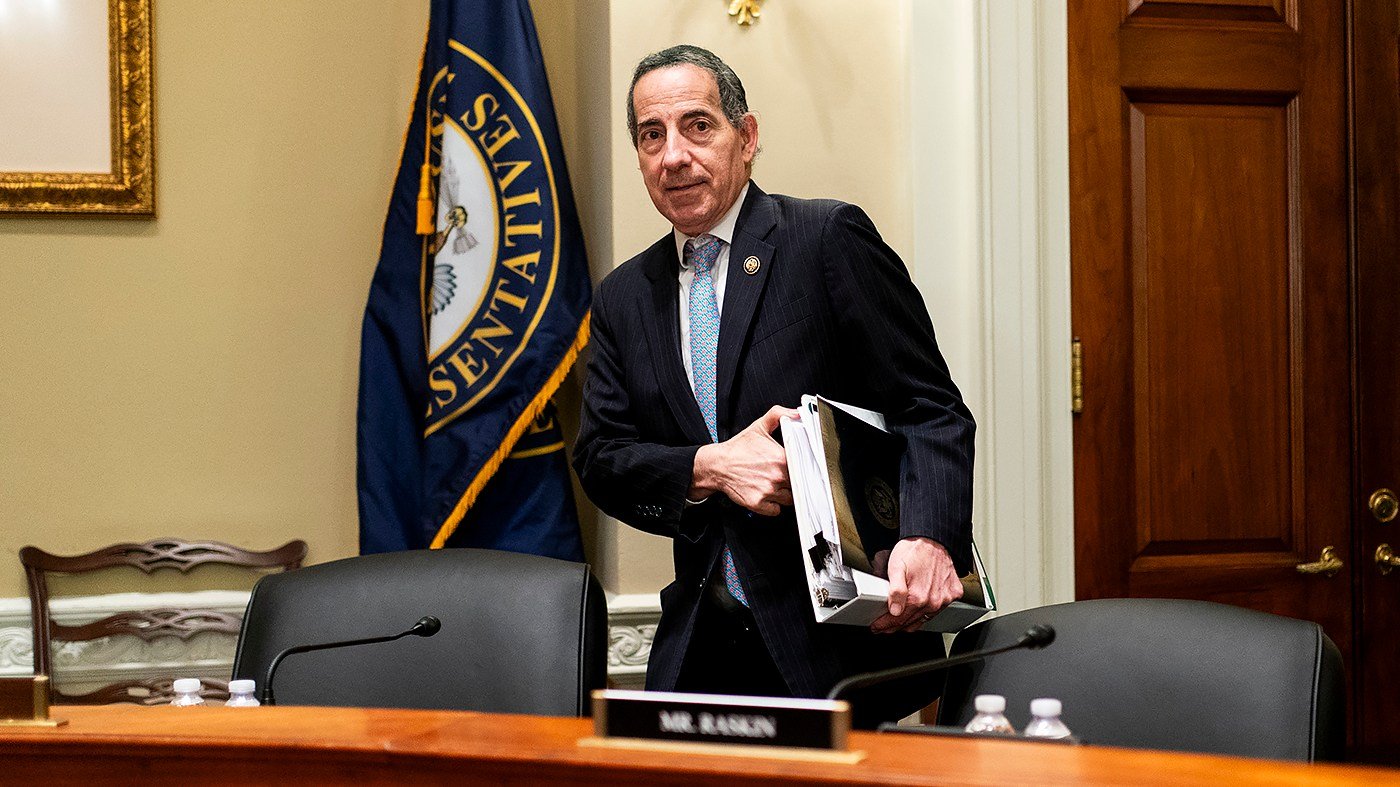
Rep. Jamie Raskin (D-Md.), who is in line to chair the House Judiciary Committee if Democrats take the majority, told CNN that a majority would give Democrats “a lot more authority to get ourselves into court.” That may be true, but the history of such litigation is cautionary. The effort to compel former White House Counsel Don McGahn to testify, for instance, dragged on from 2019 to 2021 and ended in a negotiated settlement, not a courtroom triumph. Subpoena enforcement cases move in years, not news cycles.

Rep. Adam Smith (D-Wash.), the likely next Armed Services Committee chairman, has signaled he might subpoena Defense Secretary Pete Hegseth over Iran policy and a series of Pentagon firings. But a subpoena is a question, not a verdict—and fights over executive privilege and classification can easily consume an entire congressional term. The administration would likely resist, and the courts would be slow to intervene.
The broader context is that litigation has become a standard tool in partisan warfare. State attorneys general filed at least 156 multistate lawsuits against Trump’s first-term actions, and the NYU Institute for Policy Integrity found that the administration lost most agency-action cases. But that track record also shows that lawsuits are a blunt instrument, often yielding mixed results.
Meanwhile, Republicans have their own oversight agenda. The Senate Judiciary Committee, under Sen. Chuck Grassley, has spent 2026 unwinding the FBI’s “Arctic Frost” investigation, which underpinned Special Counsel Jack Smith’s case against Trump. Grassley’s committee has made public 197 grand jury subpoenas affecting more than 430 Republican individuals and organizations, and confirmed that phone carriers turned over records for eight Republican senators and FBI Director Kash Patel. If pulling senators’ phone records qualifies as “oversight,” then so does subpoenaing a defense secretary’s calendar.
The double standard is glaring. The Biden White House, for example, refused to assert executive privilege over testimony from Trump officials in the Fulton County election interference case, clearing the way for Fani Willis’s prosecution. Yet the Biden administration kept an “absolute separation” from the Epstein files, as Kamala Harris later claimed, until those files became politically useful against Trump. Similarly, the Justice Department raided Mar-a-Lago over classified documents while President Biden was storing his own classified material in his Wilmington garage—and Special Counsel Robert Hur declined to charge him.
Oversight is a legitimate constitutional function, not a dirty word. Congress has every right to investigate how taxpayer money was spent on a ballroom or whether Pentagon officials misled lawmakers about war powers. Raskin is right that courts can be more effective than negotiations in prying loose documents. But the problem is not oversight itself—it’s oversight that only ever points in one partisan direction.
Here’s a modest proposal for whoever holds the gavel in January: pass a standing rule, not a press release, that defines what makes a subpoena legitimate and which privileges apply, binding both parties equally. That way, Democrats get their day in court on the ballroom, and Republicans get theirs on Arctic Frost. Nobody gets to invent the rules mid-game just because they control the chamber.
If that fails, Trump has a simpler option—and Joe Biden already wrote the template when he pardoned his family members on his way out in January 2025. If Trump wants to deflate the coming subpoena fleet before it leaves the dock, the precedent is signed, sealed, and sitting in the Federal Register. As Louis Brandeis said, sunlight is the best disinfectant—but he never said it only shines on one party’s porch. Before Congress builds a permanent legal weapon for whoever wins in November, it should build permanent rules for using it, because in Washington, the next subpoena fight is never really the last one.