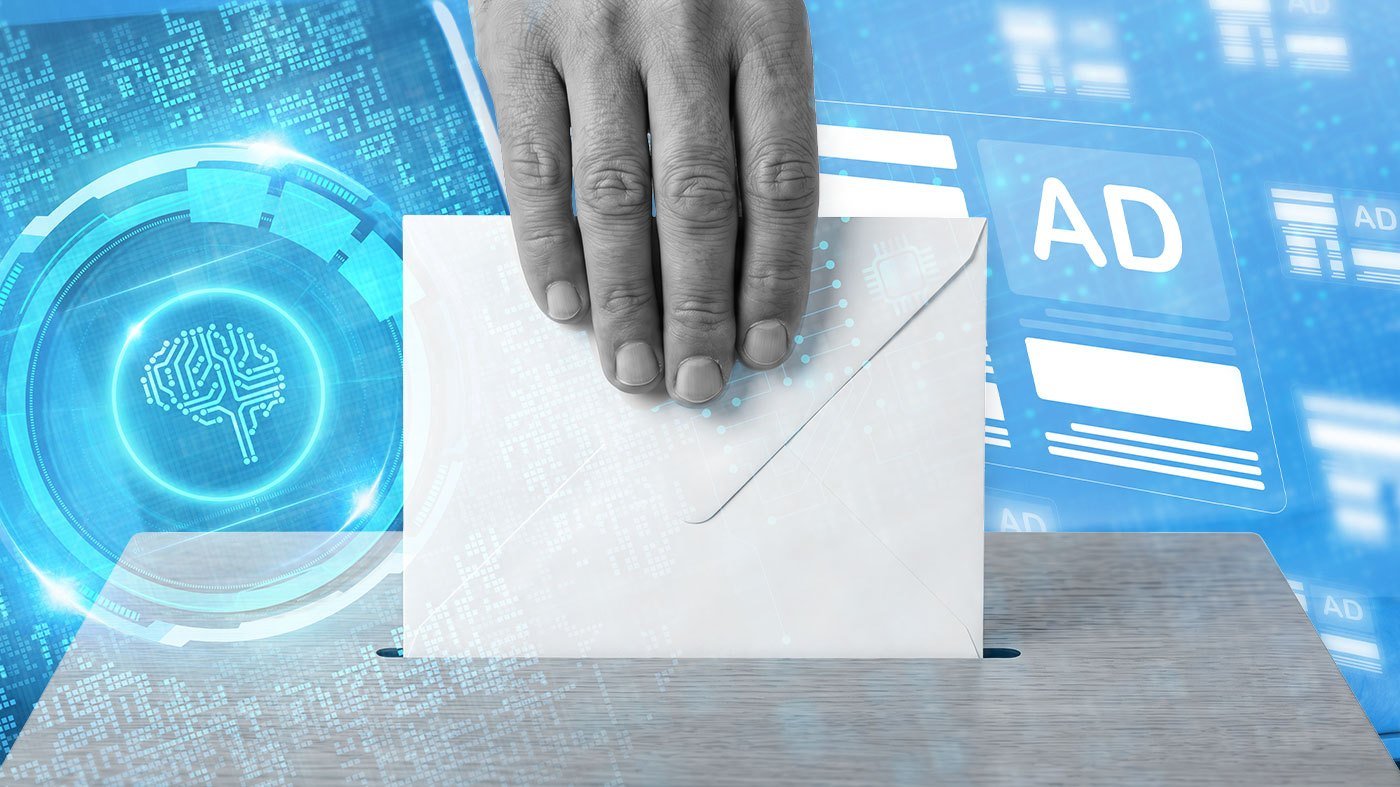
The 2026 midterm cycle saw a dramatic explosion in the use of generative AI in political advertising, with fake images of candidates in compromising or absurd situations becoming a staple of the campaign trail. From a Texas Democrat depicted in a dress to a Michigan Democrat shown laughing at 9/11 jokes, these fabricated visuals raised alarms about the integrity of democratic processes.
Now, as Democrats prepare to take control of Congress in January, a group of lawmakers is determined to impose guardrails on AI in political campaigns. At least five bills have been introduced since March, each approaching the issue differently—some mandating disclosure, others seeking outright bans, and one clarifying that existing rules already cover AI-generated content.
“We just have to make sure that we are protecting democracy from manipulative tools that could set off panic or disrupt the peaceful transfer of power,” said Rep. Yvette Clarke (D-N.Y.), who recently introduced the REAL Political Advertisements Act. Her bill would require clear labeling of AI-generated content in political ads.
The scale of the problem is significant. According to the Wesleyan Media Project, $137 million was spent on 220 AI ads during the midterms, with 81% produced by Republicans and only 12% by Democrats. Just 27% of these ads disclosed their AI origins, and the patchwork of state laws—27 states require disclosure, four ban AI ads entirely—has created a confusing regulatory landscape.
Clarke’s bill is one of several. Rep. Shontel Brown (D-Ohio) proposed banning AI that “deprives or defrauds” voters, while outgoing Sen. Amy Klobuchar (D-Minn.) reintroduced bipartisan legislation barring “materially deceptive” AI in federal races. Sen. Jeff Merkley (D-Ore.) wants to ban “false AI-generated election media,” and Rep. Ro Khanna (D-Calif.) and Sen. Adam Schiff (D-Calif.) introduced the AI Ads Act, which codifies a Federal Election Commission ruling that AI content already falls under existing prohibitions on fraudulent misrepresentation.
Sarah Binder, a senior fellow at the Brookings Institution, noted that Democrats will need to coalesce around a single proposal, which is never easy even with a majority. “It’s always hard to get lawmakers to coalesce around a single version of a bill,” she said, adding that leadership will likely “orchestrate the direction.”
Free speech advocates, however, are wary. Cody Venzke of the ACLU said the organization is skeptical of mandatory disclosure laws, warning that they could burden ordinary citizens’ political speech. He acknowledged that labeling requirements are less likely to violate the First Amendment than outright bans, but noted that courts have repeatedly struck down attempts to ban false political speech.
Rep. Adelita Grijalva (D-Ariz.), a co-sponsor of Brown’s bill, expressed concern about both voter manipulation and the flip side—people falsely claiming authentic material is AI. She supports at least requiring AI ads to meet the same disclosure standards as other campaign ads. Rep. Suhas Subramanyam (D-Va.) emphasized that any disclaimers must be prominent, even on mobile devices.
Clarke said she wrote her bill with free speech in mind and plans to push it aggressively. The debate is part of a broader Democratic agenda on AI regulation, which also includes addressing the tech industry’s influence. As the new Congress convenes, the question of how to balance innovation, free expression, and electoral integrity will be a key test for the party’s leadership.