The 2026 midterms will be remembered as a seismic political event, ranking alongside the transformative waves of 1994, 2006, and 2010. The results delivered both parties a clear message, but the scale of the Democratic surge and its implications for the political landscape are only beginning to sink in.
From Anger to Aspiration
Perhaps the most significant development is how Democrats managed to harness voter anger without resorting to the divisive rhetoric that has defined modern populism. In 2016 and 2024, Donald Trump tapped into a deep well of resentment stemming from the 2008 financial crisis, which left many Americans feeling ignored and exploited by a rigged system. That anger fueled his rise, but this cycle, Democrats turned the same frustration against him.
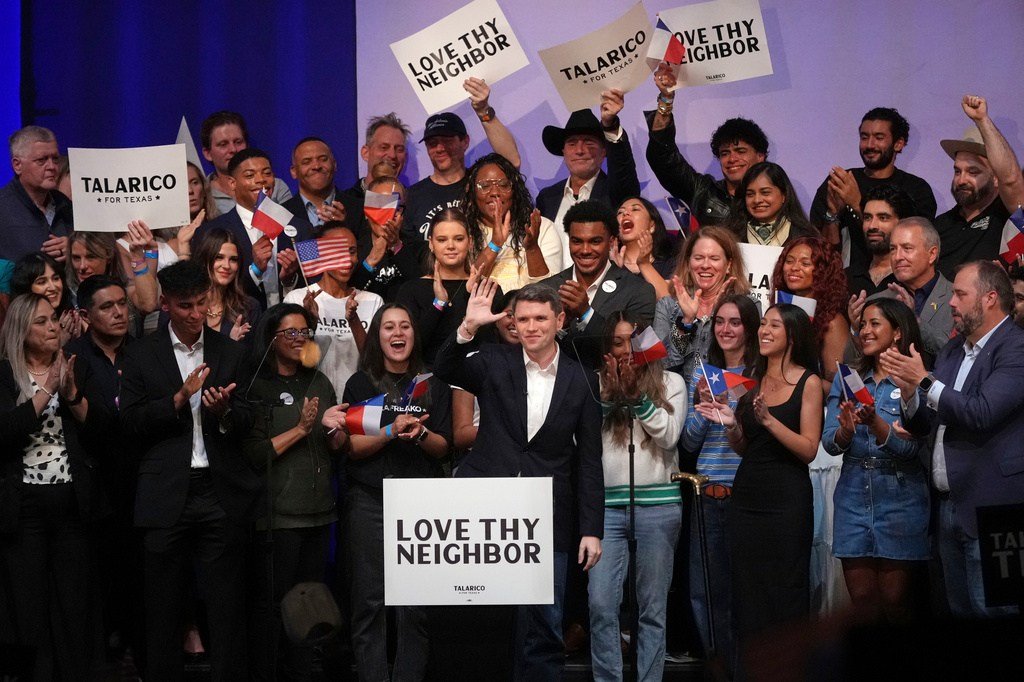
In Texas, Michigan, and Maine, candidates like James Talarico, Abdul El-Sayed, and Troy Jackson ran on a message of fighting corruption, protecting healthcare access, and ensuring safe communities and quality schools. They channeled the electorate's fury into a positive vision, proving that a populist appeal does not require a snarling tone. As one strategist noted, “Voters sent Washington a message, but Democrats delivered it with a scalpel, not a sledgehammer.”
Bridging the Left-Center Divide
The results also debunked the long-standing assumption that parties must choose between energizing progressives and courting moderates. Sophisticated campaigns, like those run by the DNC's 57-state strategy, demonstrated that a well-crafted message can attract both. This approach, detailed in the DNC's innovative electoral map strategy, allowed Democrats to thread the needle rather than alienate key constituencies.
Gerrymandering's Limits Exposed
Even Trump's aggressive redistricting efforts in Florida and Texas backfired. In Florida, Republicans drew districts heavily in their favor but failed to flip a single Democratic-held seat. The outcome, as Trump's redistricting push backfired, showed that a wave election can wash over even the most carefully drawn lines. The GOP's gamble, detailed in the GOP's redistricting gamble backfiring, ultimately cost them seats they had hoped to protect.
Candidate Quality Matters
Trump's decision to abandon moderate incumbents like Sen. John Cornyn in Texas and back loyalists like Sen. Darline Graham in South Carolina proved costly. In contrast, Democrats recruited candidates who mirrored their communities: healthcare workers, educators, union leaders, pastors, and even a Tejano music star. This focus on local relevance over national loyalty gave voters a reason to look beyond their partisan instincts.
Looking Ahead
Despite the euphoria, Democrats face a daunting challenge: holding these newly won seats in 2028. History offers a cautionary tale. In Trump's first midterm, Democrats flipped the House, but lost 13 seats two years later, barely retaining their majority. To avoid a similar fate, new members must prioritize constituent services, maintain a visible presence, and vote in line with their districts' values.
Instead of engaging in internal battles over left-versus-center agendas, Democrats should focus on delivering tangible results at home. The candidates who won in Texas, Michigan, Maine, Ohio, and Mississippi have lessons to teach the party. As one party insider put it, “The dog finally bit back.”
Trump's strategy of energizing his base at the expense of broader appeal has reached its limits. The 2026 results signal that voters are ready for a new approach, and Democrats have shown they can provide it. The question now is whether they can sustain the momentum.