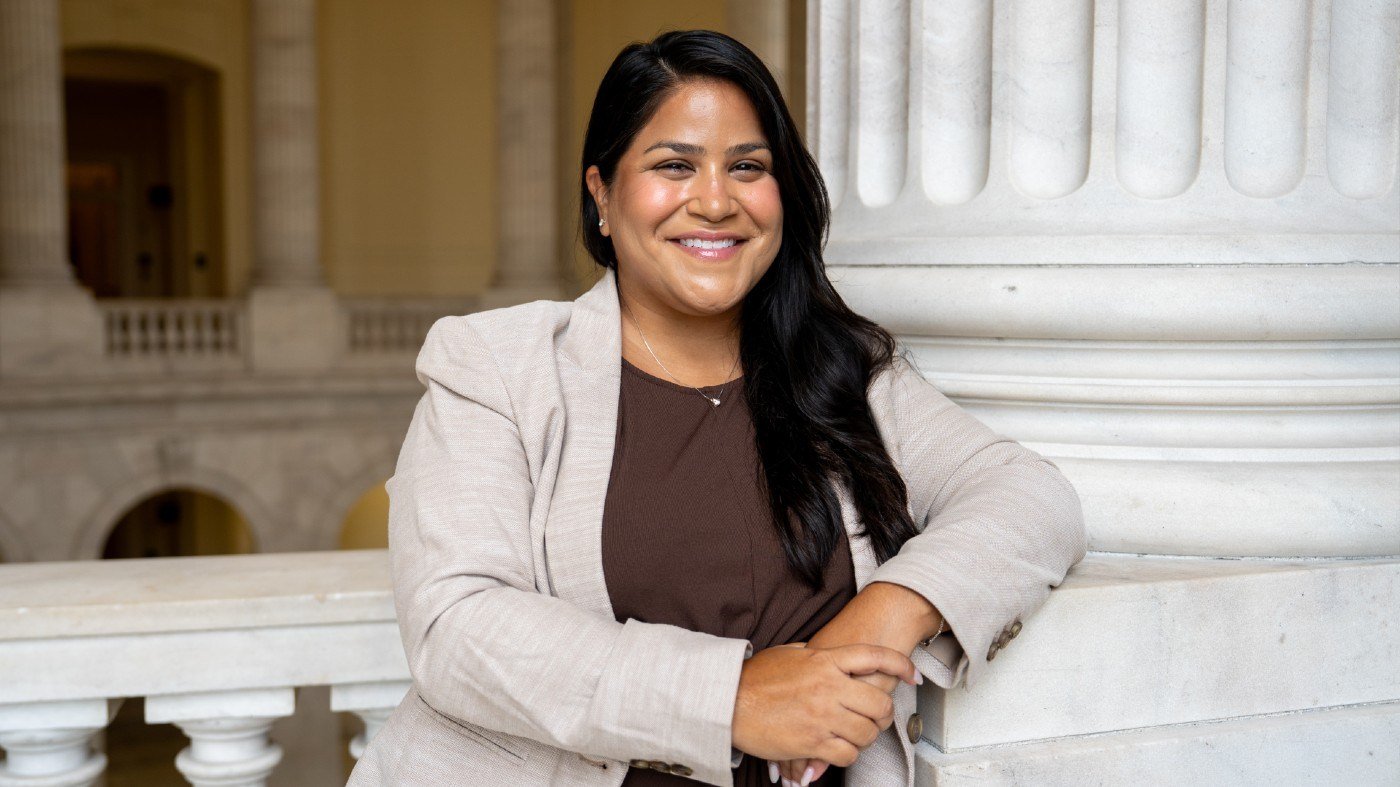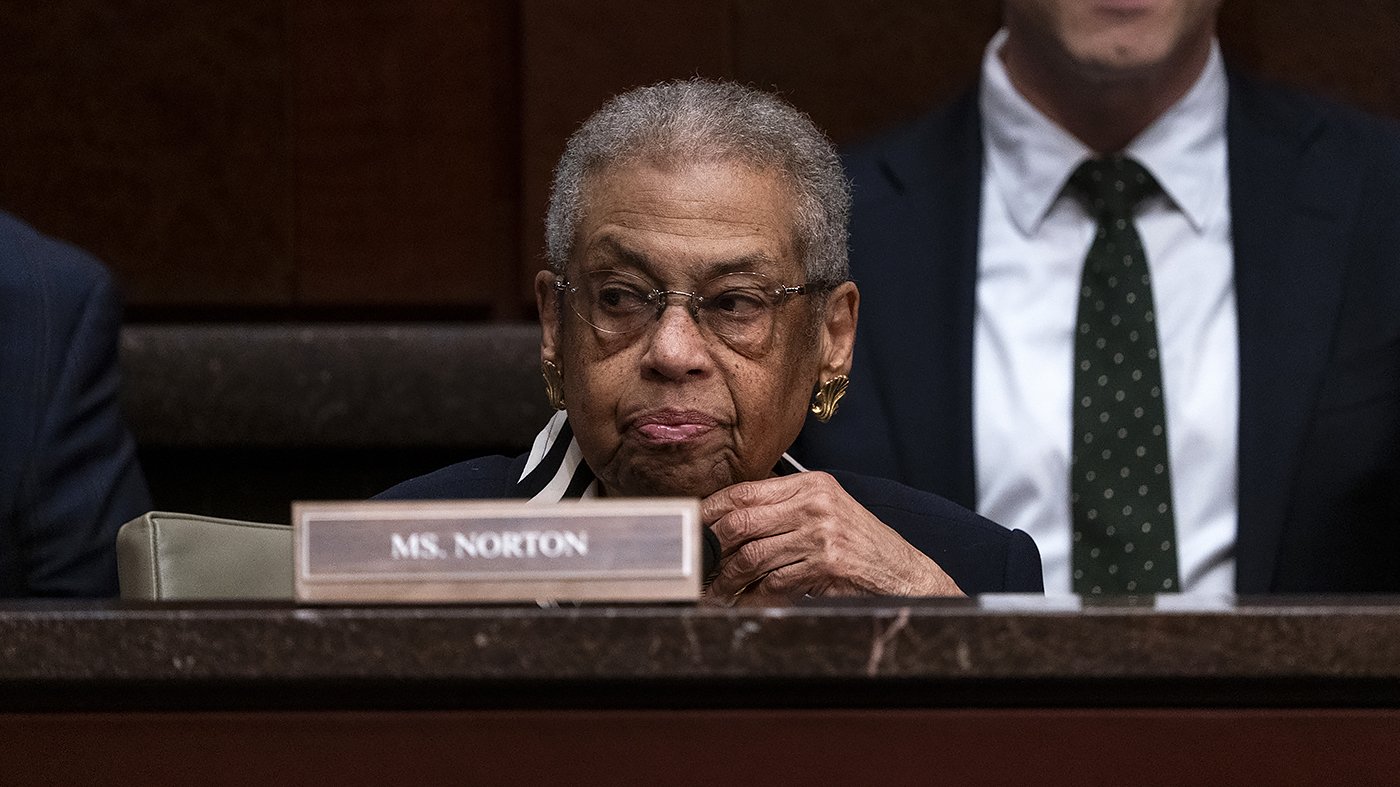
Voters in the District of Columbia headed to the polls Tuesday to choose a Democratic nominee for the city's non-voting House seat, following the long-awaited retirement of 88-year-old Del. Elizabeth Holmes Norton. The open seat has drawn a crowded primary field, with at-large councilmember Robert White and Ward 2 councilmember Brooke Pinto emerging as the leading contenders.
Norton, who has represented the District since 1991, faced mounting calls to step aside in recent years. Her departure has triggered a competitive race to succeed her in a city where Democrats hold overwhelming sway. The winner of the primary is all but assured victory in the general election.

White, a former mayoral candidate, has positioned himself as a progressive champion with a record of challenging the status quo. He has emphasized his work on affordable housing and police reform. Pinto, meanwhile, has focused on her legislative accomplishments, including gun safety measures and economic development initiatives. Both have raised substantial sums and secured key endorsements.
The field also includes several lesser-known candidates, but White and Pinto have dominated polling and fundraising. The race has largely centered on who can best advance D.C. statehood and secure more autonomy from Congress—issues that have defined Norton's tenure.
Tuesday's primary marks the first time the District is using a ranked-choice voting system, a change that could reshape how votes are tallied in a crowded contest. Voters rank candidates in order of preference, and if no one wins a majority, the lowest-performing candidates are eliminated and their votes reallocated until a winner emerges. Similar systems have been tested in other jurisdictions, including recent mayoral primaries in D.C..
On the Republican side, attorney Denise Rosado is the presumptive nominee. The GOP has little chance of winning the seat in the heavily Democratic district, but the party is fielding a candidate to ensure a general election contest.
Polls closed at 8 p.m. EDT, and results are expected to trickle in throughout the evening. The ranked-choice system could delay a final call as ballots are tabulated in multiple rounds. Decision Desk HQ is tracking live results as they come in.
The race has drawn national attention as a bellwether for the progressive movement and the future of D.C. representation. The outcome could signal whether voters prioritize experience or a more confrontational approach to challenging Congress. The winner will join a small delegation of non-voting members who can participate in debate but cannot cast final votes on legislation.