For six years, the families of more than 15,000 New Yorkers who died in nursing homes have defied a quiet calculation made by the powerful: that grief would fade, the news cycle would move on, and time would replace accountability. They have not stopped demanding answers.
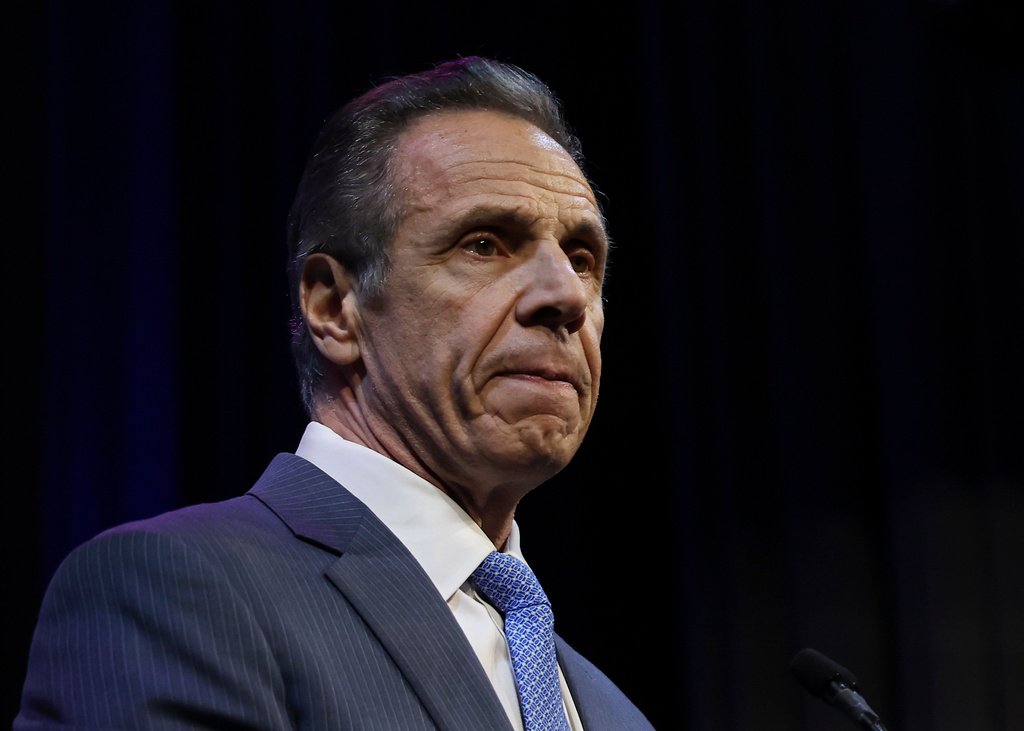
This month, Rep. Claudia Tenney (R-N.Y.) sent a letter to Acting Attorney General Todd Blanche, pressing a question that should not require a congressional inquiry: what is the status of the criminal referral against former Gov. Andrew Cuomo?
The letter underscores a lingering accountability gap. Every nursing home resident was someone’s mother, father, or grandparent—not an abstraction. On March 24, 2020, Cuomo declared, “My mother is not expendable. And your mother is not expendable.” The next day, his administration ordered nursing homes to accept COVID-positive patients without testing. Thousands died.
When families sought the true death toll, they received a number that a 104-page congressional referral later showed was falsified, undercounting deaths by roughly 50 percent. Cuomo testified before Congress in June 2024 that he was not involved in drafting the report, but emails, edited drafts, and his own handwritten notes suggested otherwise. The subcommittee referred him to the Department of Justice for making false statements in October 2024.
The Biden administration’s DOJ took no action. House Oversight Committee Chairman James Comer resubmitted the referral in April 2025, and an investigation reportedly opened—then went silent. Attorney General Pam Bondi was removed in April, and her successor has not addressed the referral. Cuomo ran for mayor of New York City twice and lost both times. His team had argued prosecution would be election interference, but with no election left, that argument no longer holds.
Vivian Zayas, co-founder of Voices for Seniors, which represents affected families, noted that if thousands of children had died under similar circumstances—a directive sending infectious patients into pediatric facilities, a falsified death count, a documented cover-up—there would have been a commission and prosecutions. “Our loved ones were old,” she said. “And someone calculated that their families might eventually move on.”
The group has testified before Congress, written to two attorneys general, and lobbied in Washington. Their persistence mirrors broader questions about accountability, as seen in the double standard in public health responses that fueled distrust. Tenney’s letter is not a legal filing, but a public declaration that elected officials have not forgotten.
The question remains: is there one standard of accountability in the United States, or two—one for the powerful and one for everyone else? The families have lived with the answer for six years. They are still proving the calculation wrong.