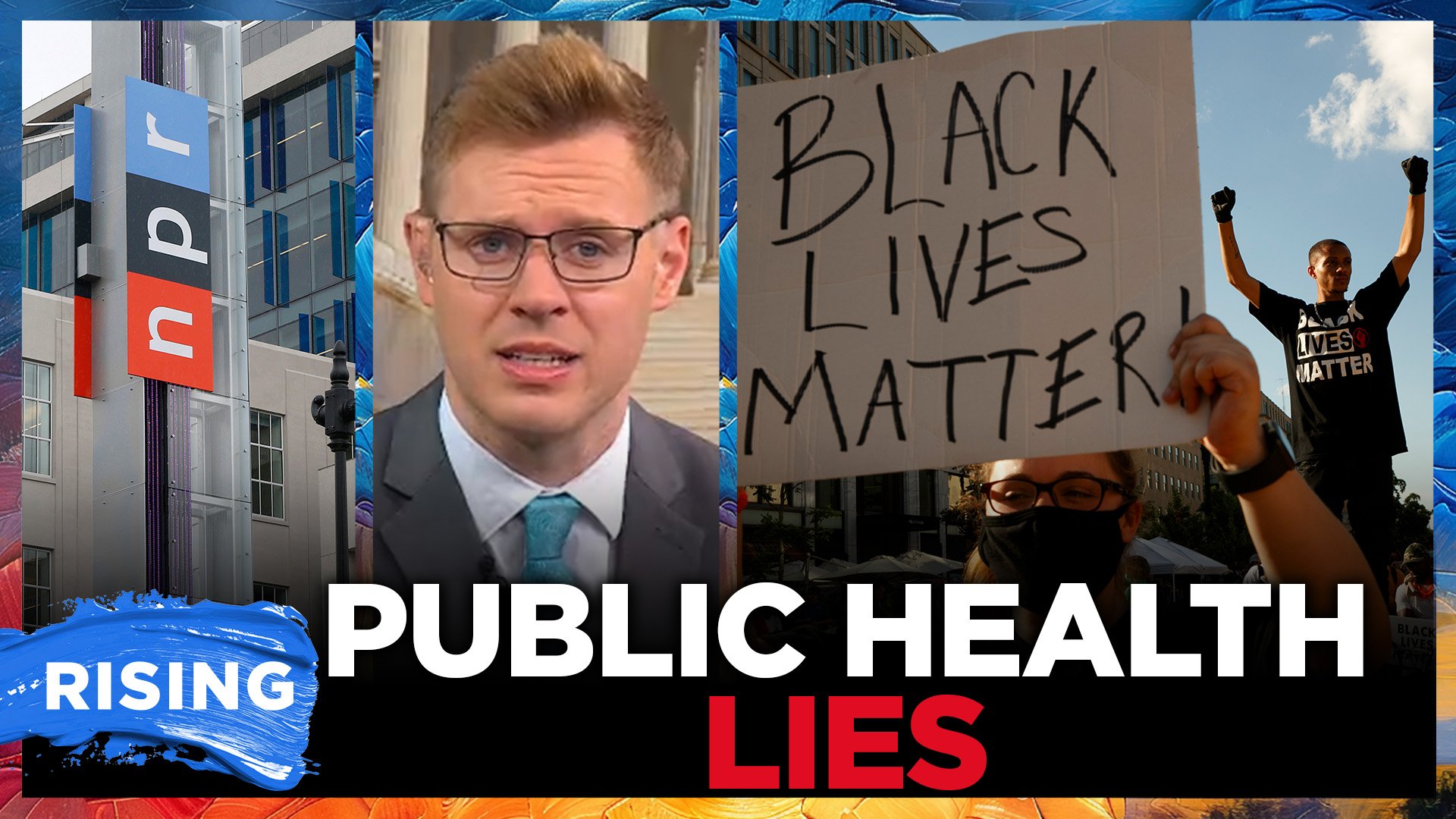
Six years ago this week, a tweet from NPR linking to an article titled “Protesting Racism Versus Risking COVID-19” became a flashpoint in the debate over public health authority. The piece, published June 2, 2020, captured a moment when the nation’s health experts appeared to apply a political litmus test to the very virus they claimed was non-discriminatory.
By then, the initial promise of a 15-day lockdown to slow the spread had long expired. Government health advisers continued to push for restrictions—mask mandates, bans on gatherings, shuttered schools and churches—well into the summer. In Democratic-controlled cities like Washington, D.C., the streets were empty, and masks were required even for solitary joggers.
But the death of George Floyd at the hands of police changed the calculus. As protests erupted nationwide, dozens of public health and disease experts signed an open letter that explicitly endorsed the anti-racism demonstrations while condemning anti-lockdown protests. The letter stated: “White supremacy is a lethal public health issue that predates and contributes to COVID-19.” It went on to say: “As public health advocates, we do not condemn these gatherings as risky for COVID-19 transmission. We support them as vital to the national public health.”
The letter drew a stark contrast: anti-lockdown protests were reckless; racial justice protests were essential. This was not just a moral judgment but a scientific one—and it was junk science. COVID-19 does not discriminate between causes. The virus does not care about the politics of the people it infects.
The letter also equated racism with a disease, a metaphor that blurred the line between a real virus and a social ill. Public health experts had rigorous data on how to slow COVID-19 transmission; their prescriptions for fighting racism were far less concrete. Six years later, the results are mixed at best. The Black Lives Matter protests sparked a backlash, and public perception of police has remained stable or improved. The BLM organization itself has been accused of financial mismanagement.
Prominent health officials like Anthony Fauci and Deborah Birx did not publicly contradict the letter. That silence allowed the NPR tweet to become the de facto position of the public health establishment—a moment that many on the right describe as a “redpilling” event, where trust in expertise began to crack.
The episode underscores a broader erosion of faith in institutions. When experts appear to bend science to fit political narratives, the damage is lasting. As political division deepens America's depression crisis, the legacy of that June 2020 letter remains a cautionary tale about the cost of mixing activism with epidemiology.
In the years since, the debate over lockdowns has shifted, but the distrust lingers. The lesson is clear: when public health is weaponized for political ends, the public notices—and remembers.