Two federal judges in Massachusetts and Washington, D.C., on Tuesday blocked the Trump administration from enforcing a new rule that would have restricted eligibility for the Public Service Loan Forgiveness (PSLF) program, just one day before it was set to take effect. The rulings, issued by Biden appointees, dealt a significant legal blow to the administration's efforts to overhaul the program.
The contested rule would have denied debt relief to public service workers whose employers are deemed to have a 'substantial illegal purpose,' a category the Education Department defined to include aiding illegal immigration, supporting terrorism, and facilitating 'chemical and surgical castration or mutilation of children.' More than 20 states and a coalition of nonprofit groups challenged the rule, arguing it would allow the department to target organizations advocating for causes disfavored by the administration, such as transgender healthcare and immigration rights.
In Massachusetts, U.S. District Judge Myong Joun ruled that the Education Department lacked the legal authority to impose such restrictions, warning the rule could violate the First Amendment by chilling protected speech. 'The Department cannot create new criminal prohibitions through rulemaking,' Joun wrote, adding that the record showed the rule 'has already chilled protected speech.'
Separately, U.S. District Judge Amir Ali in Washington, D.C., struck down the rule in a case brought by four nonprofits that advocate for immigration rights. Both rulings leave the existing PSLF program intact for now, marking another legal setback for the Trump administration as it pushes to reshape federal student loan policy.
Congress created the PSLF program in 2007 to encourage graduates to enter public service by forgiving federal student loans after ten years of qualifying employment. More than one million Americans have had their loans canceled through the program. The Trump administration has argued that the program is being exploited by organizations that undermine American values and national security.
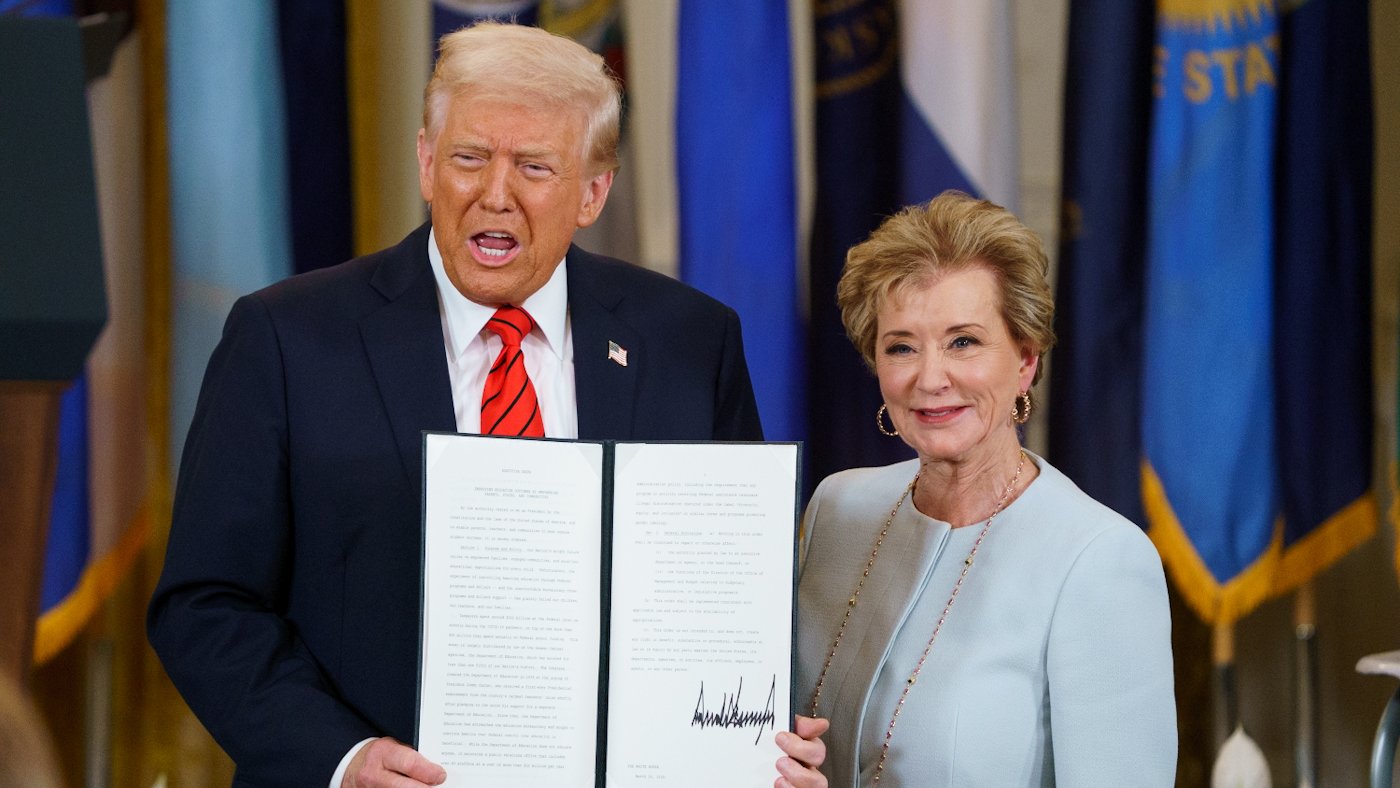
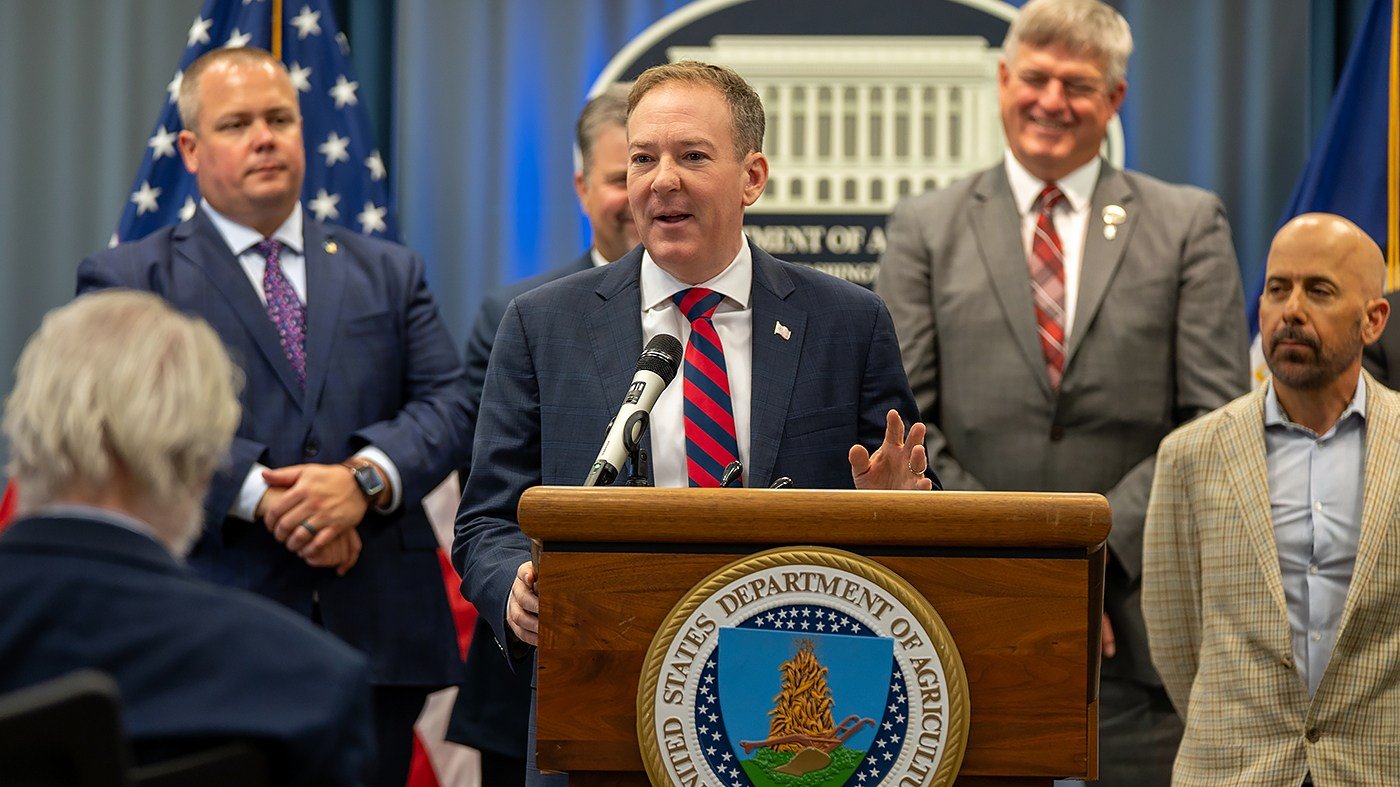
In an executive order last year, President Trump directed the education secretary to narrow eligibility and exclude groups engaged in illicit activities. The administration's final rule defined those activities broadly, drawing criticism from civil liberties advocates who said it targeted lawful advocacy. Under Secretary of Education Nicholas Kent defended the policy as 'commonsense,' stating in a release that the program 'is intended to support Americans who serve the public good, not to subsidize organizations that engage in terrorism, facilitate illegal immigration, or support the mutilation of children.'
The court rulings represent a broader pattern of legal resistance to the administration's agenda, including challenges to policies on intelligence declassification and artificial intelligence regulation. The administration is expected to appeal the decisions, but for now, public service workers remain eligible for loan forgiveness under existing rules.