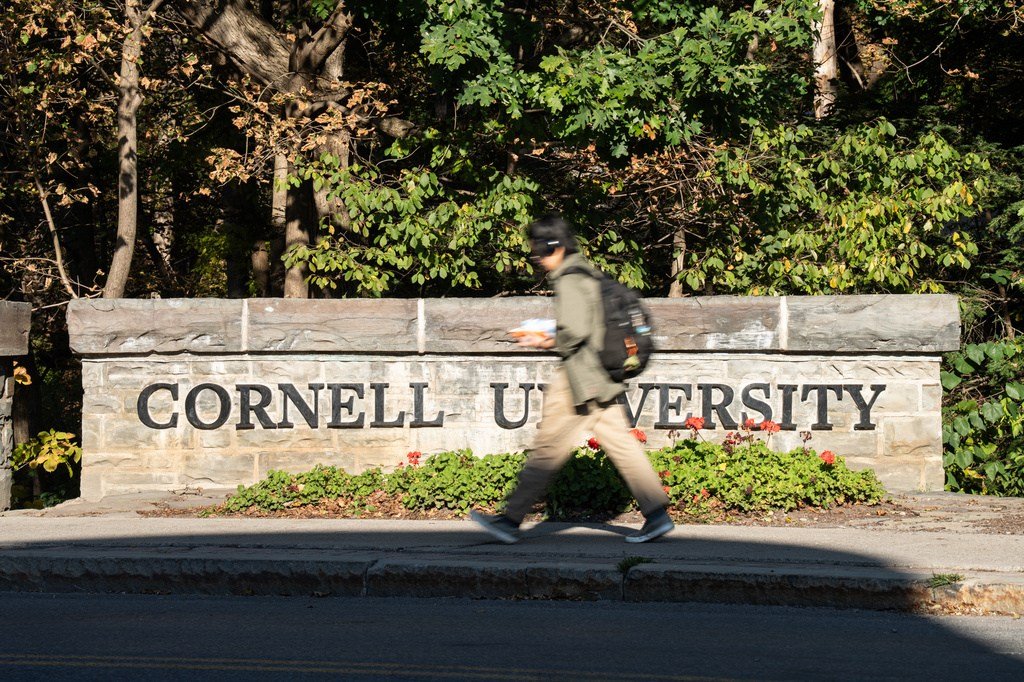
The lawsuit filed by a former Cornell student against the university and seven men she says raped her at a fraternity house in 2024 has reignited a familiar debate: what more can colleges do to prevent sexual violence? For Jonathan Zimmerman, a University of Pennsylvania historian and education professor, the answer is not more online modules or consent workshops. The real intervention, he argues, must happen years earlier, in middle and high school classrooms, where students are already absorbing lessons about sex from the most pervasive teacher they have: internet pornography.
Zimmerman, who teaches at Penn, notes that incoming students there are required to complete an online sexual assault prevention course and attend student-led "Consent Circles" that teach the FRIES framework—consent should be freely given, reversible, informed, enthusiastic, and specific. But as one of his students recently told him, "Of course it should be. But if you didn’t get that message before you got here, a single training isn’t going to make a difference." Students know the right answers, Zimmerman says, so they recite them and move on.

The Cornell case—which includes allegations of ketamine use, a fraternity group chat message reading "free p—" and a later query about whether the "shop" was "still open"—has prompted calls for colleges to strengthen their educational efforts. Zimmerman agrees, but he is skeptical that such programs, mandated under the Campus Sexual Violence Elimination Act of 2013, actually reduce assaults. The evidence, he says, is thin.
Zimmerman’s point is that universities treat students as blank slates, but on matters of sex, they arrive with years of informal education from their phones. According to a 2022 Common Sense Media survey, 73 percent of 13- to 17-year-olds had watched pornography, with the average age of first exposure at 12. Fifteen percent had seen it by age 10 or younger. Among teens who intentionally watched porn, 71 percent had done so in the past week, and nearly half said it provided "helpful information" about sex.
That information is often violent. A recent study analyzing 255 popular porn videos from 2000 to 2024 found that nearly half depicted visible physical aggression—spanking, hitting, choking—and the rate had tripled over that period. Zimmerman does not claim that watching porn turns everyone into a rapist, nor does he advocate censorship, which he calls impossible in the digital age. But he is convinced that constant exposure to degrading imagery shapes young people’s beliefs about women and sex.
He points to the Cornell assailants’ alleged behavior—snorting ketamine off the victim’s body, hitting her hard enough to leave bruises—as the kind of conduct that is "inspired, at least in part, by pornography." The solution, he says, is for adults to step up. Parents should ask their kids what they are watching and what they are learning from it. Schools, too, must move beyond the narrow consent curriculum now required in 15 states and the District of Columbia.
Zimmerman draws a parallel to the HIV/AIDS crisis of the 1980s, which forced sex education to address taboo topics like contraception. The Cornell case, he hopes, could spark a similar revolution—one that goes beyond safety and consent to discuss sex itself: what students see online, what they want, and why. That conversation, he insists, cannot wait until college.
He recommends that every middle and high school sponsor lessons and assemblies about the Cornell incident, noting that most students have already seen video about it, just as they have watched porn. "The only question is whether we can summon the courage to talk to them about it," he writes, "and to give them the sex education they need."
The debate over campus sexual assault prevention is intensifying, with some lawmakers pushing for stronger federal accountability measures. But Zimmerman’s argument shifts the focus to a younger audience, where he believes the real education—for better or worse—is already happening.