Philadelphia Phillies star Bryce Harper recently apologized after a personalized video he recorded for a fan was used by FanDuel's VIP host program to reward a customer who lost over $1.5 million on the sportsbook app. Harper said he never consented to FanDuel's logo appearing in the video and would not have participated had he known it would promote gambling. The incident, detailed in a new op-ed, has sparked calls for congressional scrutiny of how online sportsbooks cultivate their most vulnerable customers.
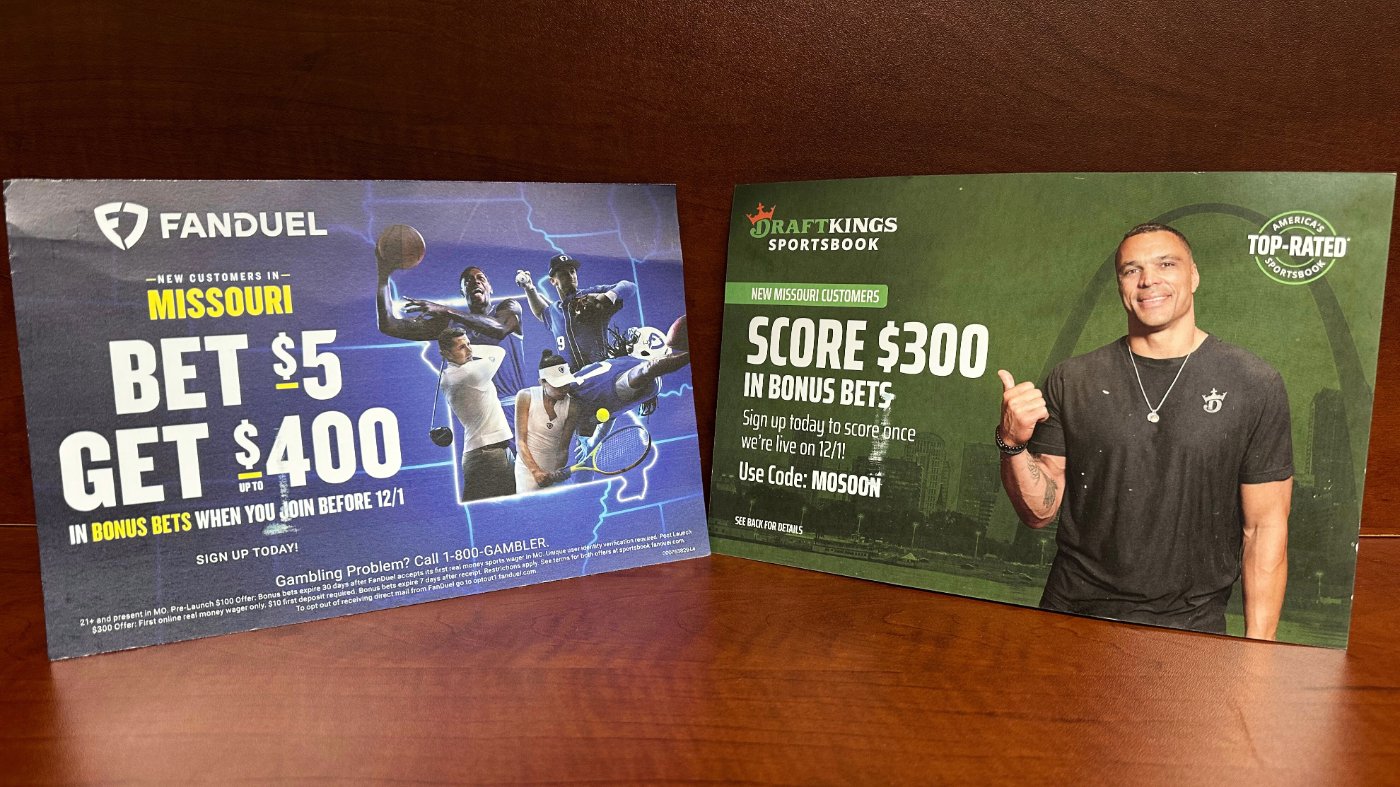
The piece, written by Jon Schweppe, a senior adviser to the American Principles Project and former FTC policy adviser, argues that VIP programs are designed to "unfairly hustle" the biggest losers. It highlights how FanDuel and DraftKings, unlike prediction markets where traders compete against each other, act as the house and profit when customers lose. Winners can be restricted or banned, while losers receive red-carpet treatment, including dedicated hosts, escalating bonuses, and lavish perks like concert tickets and trips to major sporting events.
Schweppe cites a 2024 study from the Journal of Gambling Studies showing that in Britain, the top 10% of losers accounted for nearly 80% of a gambling website's revenue. He notes that mobile sports betting is particularly problematic, with 22% of mobile bettors reporting problem gambling versus 11% of land-based bettors, according to the National Council on Problem Gambling.
The case of Terry Thompson, the FanDuel customer who sued the company and DraftKings in March, illustrates the human toll. Thompson, who entered a gambling addiction treatment facility, accused the companies of causing his addiction. Schweppe argues that sportsbooks use sophisticated algorithms to target customers who chase losses, and that when the money runs out, the perks stop and the gambler is left alone.
Schweppe calls on Congress to haul sportsbook executives before hearings, similar to past scrutiny of Big Tobacco, Big Tech, and Big Pharma. He poses key questions: How do companies identify their most valuable customers? What data determines VIP status? Do algorithms flag problem gamblers? How much revenue comes from VIP players? And why are winners limited while losers get personal hosts?
He criticizes states for failing to regulate sports betting effectively after the Supreme Court opened the door, becoming "laboratories for increasingly sophisticated forms of consumer exploitation." He urges Congress to prohibit VIP hosts, personalized inducements, and behavioral algorithms that encourage excessive gambling. "If a sportsbook believes it has the right to limit customers who occasionally beat the house, it should not have the right to shower customers who consistently lose with perks designed to keep them chasing losses," he writes.
Schweppe concludes that sports betting itself isn't on trial, but a business model built around rewarding the biggest losers is. He calls for equal treatment of all customers, either taking bets from everyone on fair terms or from no one. The op-ed comes amid growing bipartisan interest in gambling regulation, including a recent bill that would mandate facial age verification for sportsbooks and prediction markets.