Lawmakers on Capitol Hill have a chronic spending problem—one that both parties share, even as they trade blame. The addiction to taxpayer dollars is bipartisan, though Republicans once at least paid lip service to fiscal restraint. That pretense has eroded in the Trump era, and with control of Congress up for grabs in November, the urge to splurge may only intensify.
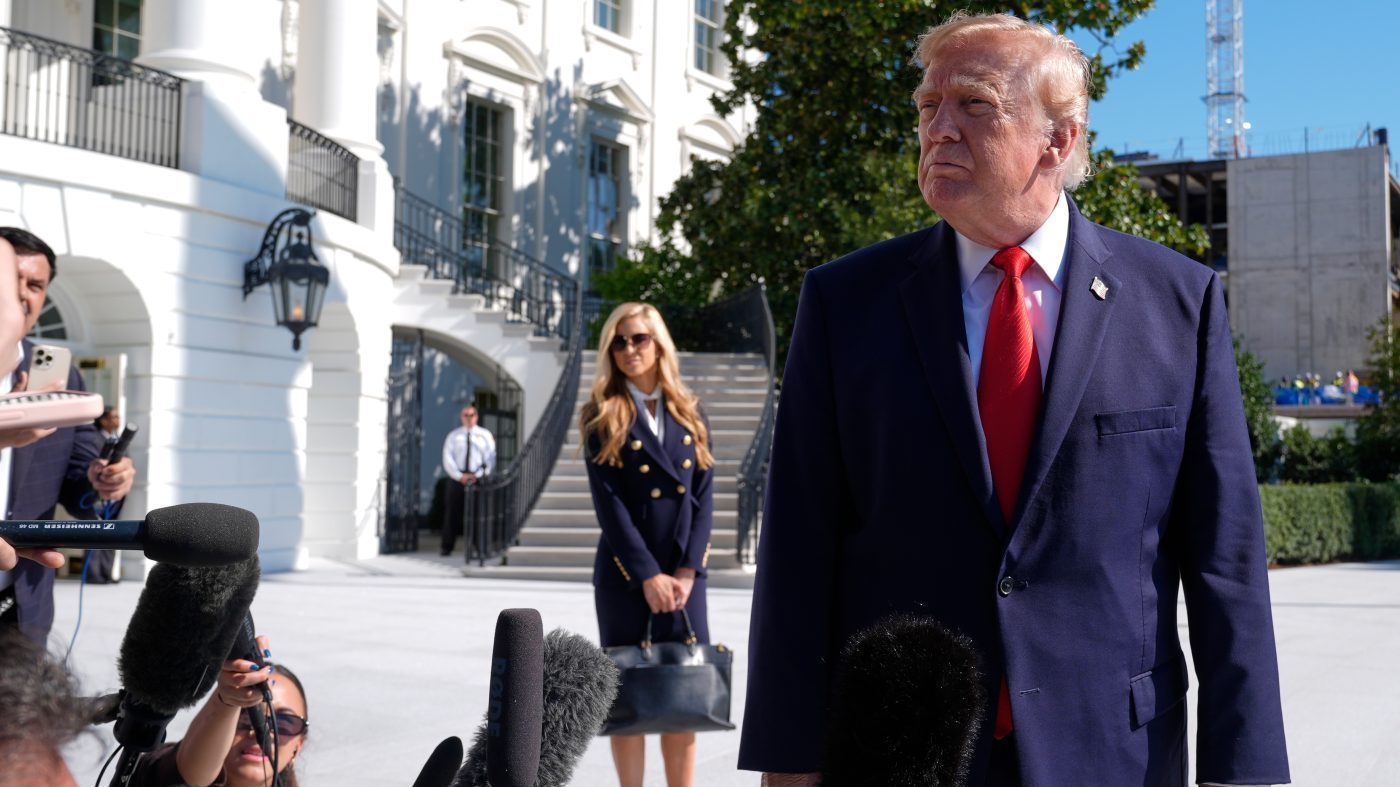
If the GOP retains its majorities, President Trump is already floating a $5,000 check for every adult, $90 payments to 20.8 million Medicare enrollees, and $500 refunds to nearly a million Americans who bought unsubsidized ObamaCare plans. While a few Republicans have balked at the price tag, the party's record suggests they'll go along. Trump may be the biggest spender, but congressional Republicans have been his willing enablers.
Democrats are hardly innocent. Under President Biden, deficits hit $1.70 trillion in 2023 and $1.83 trillion in 2024—even with a GOP House. Trump's first year back saw a $1.78 trillion deficit, and 2026 is on track to exceed $2 trillion. If the $5,000 handout becomes law, 2027 could blow past $3 trillion. Total federal debt rose $8 trillion during Biden's term, but Trump's first two years added nearly $4 trillion on top of that.
Now, reports show lawmakers are requesting $46 billion for some 15,000 earmarks in the next budget—including cooking classes for prisoners, millions for a gaming facility, and nearly $13 million for horse projects, according to Open the Books. This comes as a bipartisan push to reclaim congressional power gains steam, but the appetite for pork remains strong.
If Democrats take over, Republicans may suddenly rediscover fiscal virtue—but that's not reform, just politics. Suppressing a spending addiction only when the other party is in charge doesn't solve the problem. What's needed is an intervention, and voters are the only ones who can deliver it.
Adapting Alcoholics Anonymous's 12 steps, here's a recovery plan for congressional spendaholics:
- Admit powerlessness over spending—it's out of control.
- Believe that voters, a power greater than themselves, can restore sanity.
- Commit to constitutional limits on federal spending.
- Conduct a fearless moral inventory—and acknowledge what it reveals.
- Confess the nature of their fiscal wrongs to voters.
- Be ready to change habits and eliminate defects of character.
- Humbly ask voters for forgiveness.
- List every way they've evaded constitutional restraints—it's long.
- Make amends by cutting spending, not raising taxes.
- Keep taking inventory and admit when tempted to overspend.
- Seek fiscal prudence through debate and the budget process.
- Ask voters to step in if they stray again.
Elections are the ultimate intervention. The upcoming midterms offer a chance for taxpayers—who foot the bill—to demand change. It won't be painless, but with enough political pressure, Congress can break its addiction. As with any habit, the first step is admitting there's a problem. The second is voting like the nation's fiscal future depends on it.