As the dog days of summer set in, Congress has officially slipped into its month-long recess, but the legislative to-do list remains far from complete. Both chambers have been active in the weeks leading up to the break, yet the output has been a series of repetitive debates—ranging from Iran policy and border security to election laws and disaster relief—that leave many voters feeling stuck in a loop of political reruns.
The cyclical nature of congressional work is by design, with authorizing and appropriating processes revisiting the same issues year after year. But the urgency this time is heightened by the looming Oct. 1 fiscal deadline and the fast-approaching midterm elections. Every House member and a third of the Senate face voters in November, making the budget fight not just about policy but political survival.

The appropriations process, which determines actual spending, has stalled. The House Appropriations Committee has advanced all 12 regular spending bills, but only three have cleared the full House. The Senate has passed none. That failure has forced Congress to turn to continuing resolutions (CRs) to keep the government funded past Sept. 30. After last year's record-breaking 35-day shutdown, lawmakers are eager to avoid a repeat—especially while campaigning.
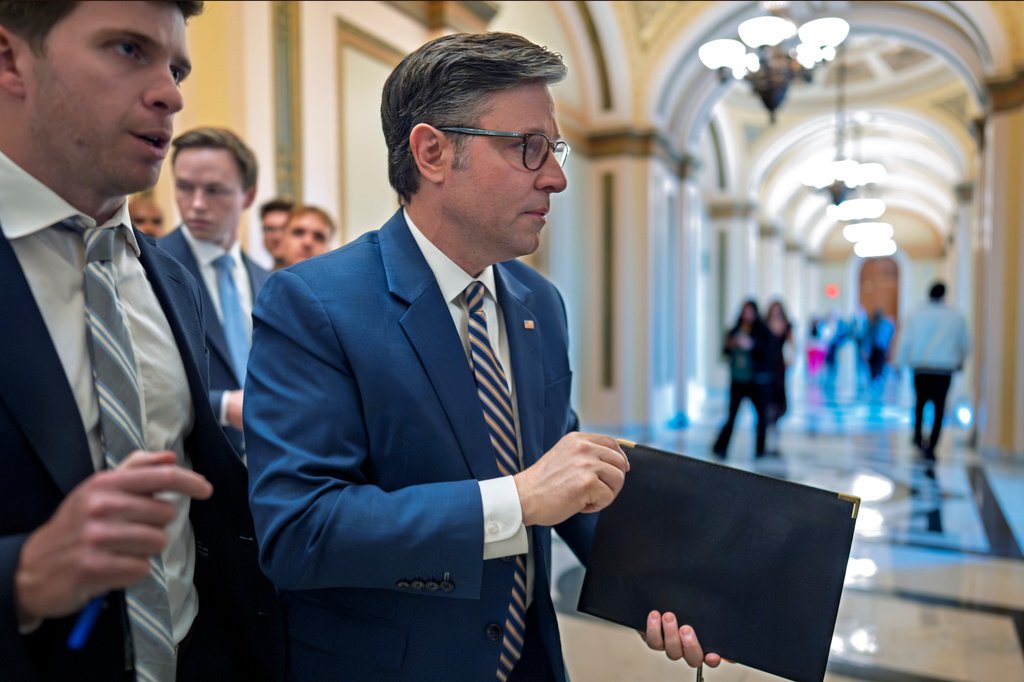
Both chambers have passed their own CRs: the House on July 21 and the Senate on Aug. 8. Each maintains current spending levels with added funds for disaster relief, hunger programs, and veterans' services. The House version runs through Dec. 4, while the Senate's extends to Dec. 11. House Speaker Mike Johnson (R-La.) defended the extended timeline as a deliberate move to shield Republicans from shutdown blame ahead of the elections. However, the two bills differ in specifics, so they must be reconciled when Congress returns in September.
Another layer of complexity is the budget reconciliation process, which aligns spending with fiscal targets. The House has already passed a third budget resolution with reconciliation instructions that include $95 billion for the Pentagon, agricultural aid, and grants for states to impose voting restrictions. Senate Majority Leader John Thune (R-S.D.) has said he will defer action on reconciliation until the CR is resolved after the recess.
Time is tight. When lawmakers return in September, they will have only four weeks before the fiscal year ends. October is reserved for campaigning, leaving no room for legislative work. The result is that neither party can point to a major legislative victory as they hit the trail. As one observer put it, “At least we didn’t shut down the government again” is hardly a rallying cry.
The political landscape is further muddied by President Trump’s warning that GOP voters are angry and may stay home, and by Democratic enthusiasm for candidates backed by the Democratic Socialists of America—a label that may not resonate in the heartland. As Yogi Berra famously said, “It ain’t over till it’s over.” For now, Congress heads home with little to brag about, and the September return promises a scramble to avoid a shutdown and salvage the session.