The recent Fifth Circuit ruling against Jackson, Mississippi residents seeking accountability for lead-contaminated water highlights a broader question: what does justice demand when government policies have created the conditions for climate vulnerability?
Climate change does not strike neutral ground. Decades of redlining, racially restrictive covenants, exclusionary zoning, and discriminatory infrastructure decisions have concentrated Black families in neighborhoods more exposed to flooding, pollution, and industrial hazards. Even after formal segregation ended, disinvestment persisted—aging water systems, crumbling drainage, deteriorating housing, and shrinking green spaces.
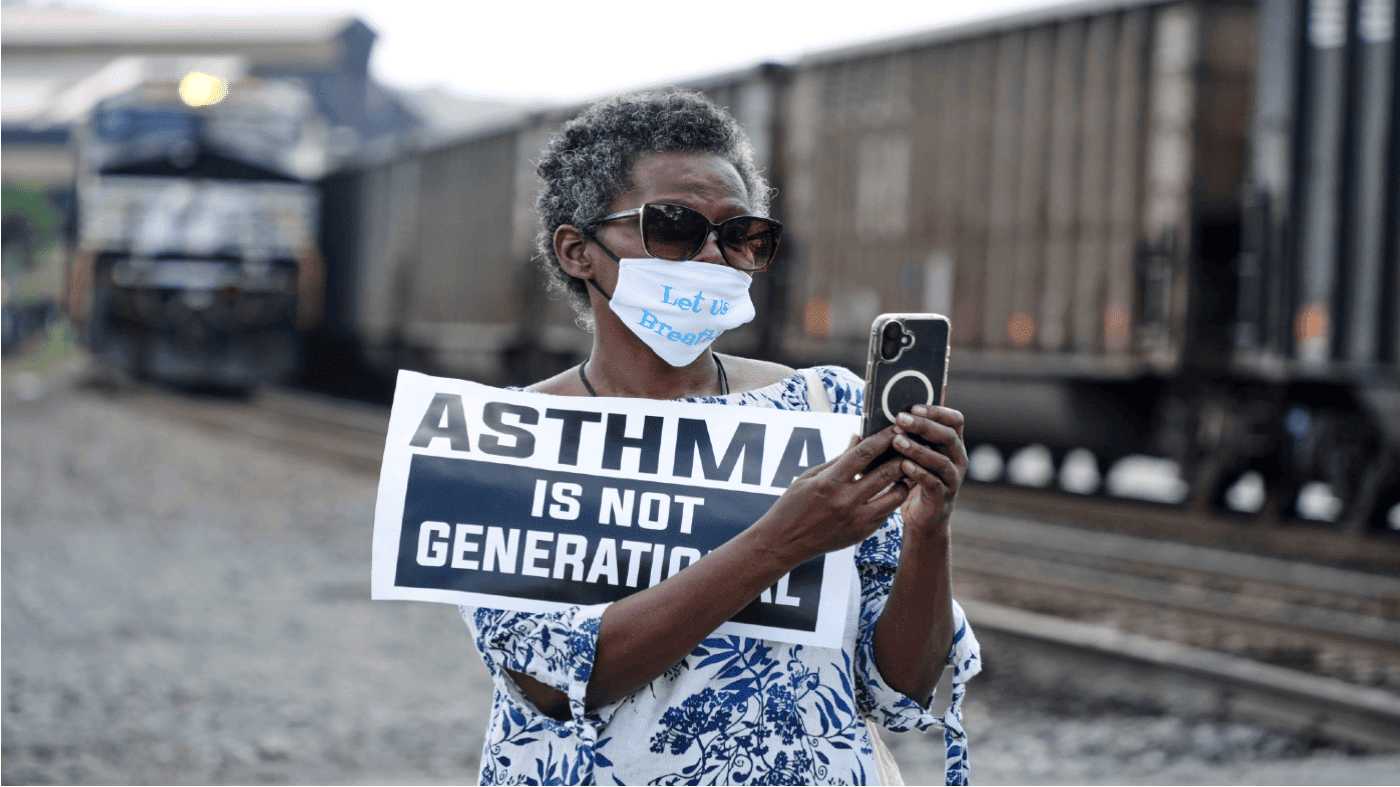
Neglect was compounded by active harm. Highways sliced through Black neighborhoods, polluting industries clustered nearby, and tax bases eroded. This layered construction of inequality now collides with climate change: inadequate drainage fails under heavier rains, heat islands form where trees are absent, and fragile grids become deadly during heatwaves.
Families stripped of generational wealth have fewer resources to evacuate, rebuild, or relocate. Climate change magnifies these disparities, and the nation's tolerance for Black suffering remains disturbingly high. Jackson, Flint, and Gary—where residents endured prolonged power outages—expose a hierarchy of concern that climate change will only worsen.
Even adaptation efforts risk replicating past injustices. Billions will be spent on hardening grids, modernizing water systems, and building resilience. Without deliberate action, wealthier, whiter communities will again receive protection first.
Climate adaptation must therefore become a civil rights project. This means identifying vulnerable areas before disasters strike and directing investment to communities where segregation and neglect have compounded. It requires rebuilding water and energy systems, strengthening housing, improving drainage, expanding green infrastructure, and ensuring reliable transit—while giving residents real power over these investments.
The vulnerability was built through policy choices. Governments now have an obligation to build resilience. As the Supreme Court weighs climate liability cases, the focus should be on rectifying these systemic inequities.
We built this vulnerability. Now we must build something different—a future where climate adaptation dismantles, rather than reproduces, the racial geography of risk.