Democratic Rep. Emanuel Cleaver is set to face a serious challenge from Republican state Sen. Rick Brattin in Missouri's 5th Congressional District, according to Decision Desk HQ projections. Cleaver ran unopposed in Tuesday's Democratic primary, while Brattin emerged victorious from a five-way Republican contest.
Brattin, who has served in the state Senate since January 2021 and previously spent eight years in the state House, is now the favorite in the general election. The reason: Republicans in the Missouri General Assembly redrew the district last year to make it significantly more favorable to the GOP. The new map stretches from Kansas City into rural areas, incorporating several solidly conservative counties. Under this configuration, the district would have supported President Trump by 18 points in the 2024 election, according to the nonpartisan Cook Political Report.
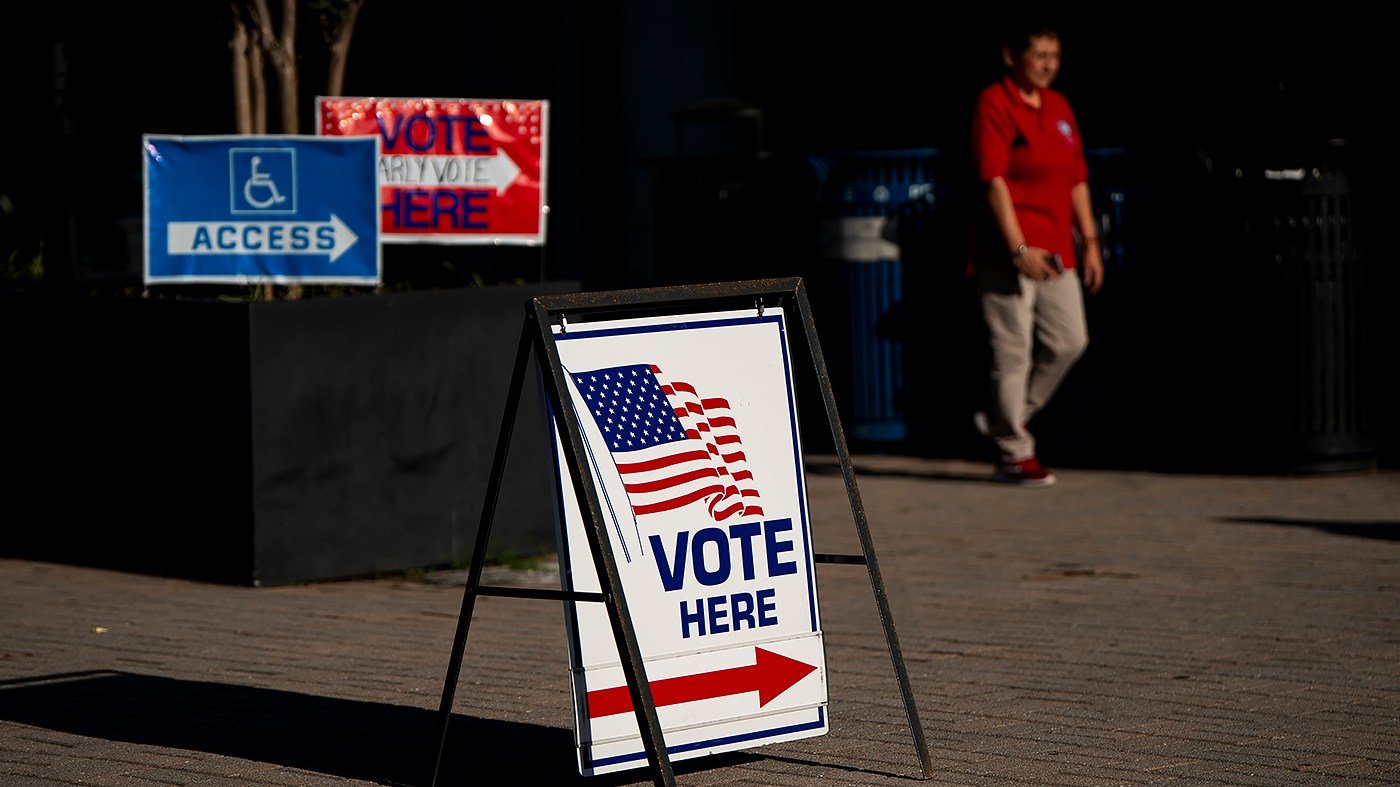
Cleaver, 81, is a former chair of the Congressional Black Caucus and has represented the district since 2005, making him the second-longest-serving member of Missouri's delegation behind retiring GOP Rep. Sam Graves. A Republican has not held this seat since before the Korean War, but the political landscape has shifted dramatically.
If Brattin wins in November and both parties hold their other seven districts, Republicans would expand their majority in Missouri's delegation from 6-2 to 7-1. The Cook Political Report rates the race as solidly Republican, a stark contrast to Cleaver's previous comfortable margins.
Despite the unfavorable math, Cleaver said last month that he has “never panicked” over the mid-decade redistricting. In an interview with the Columbia Missourian's Kaleb Anderson, he expressed frustration with the process, saying it “is doing some enormous damage to the body politic and creating more hostility.” He added, “The worst part is that it tells voters there are people who will do just about anything to win.”
Still, Cleaver acknowledged the reality: “But it is a process that we have to go through, so I'm ready to go through that process.” His campaign will likely focus on his long record of constituent service and legislative achievements, while Brattin will hammer on conservative themes and tie Cleaver to national Democratic positions.
The race is one of several competitive House contests this cycle. In neighboring Missouri's 1st District, Cori Bush is seeking a rematch with Wesley Bell, a race that has drawn national attention. Meanwhile, Michigan's open seats are setting up for November fights, and the Democratic Party's liberal wing is now dominant, according to a recent poll.
Cleaver's campaign will also face the challenge of mobilizing urban voters in Kansas City while appealing to rural constituents who may be skeptical of a Democrat. Brattin, a conservative stalwart, has already signaled his intention to make the race a referendum on the Biden administration's policies, including inflation and border security.
Political analysts note that the redrawn district's demographics make Cleaver an underdog, but his name recognition and fundraising ability could keep the race competitive. The outcome will hinge on turnout in the urban core and whether Cleaver can cut into Brattin's margins in the rural counties.
As the campaign heats up, both candidates are expected to focus on local issues like agriculture, infrastructure, and healthcare. Brattin has criticized Cleaver as out of touch with the district's new makeup, while Cleaver has dismissed the redistricting as a partisan power grab.
The November election will determine whether Cleaver can defy the odds and hold onto a seat that has been Democratic for over seven decades, or whether Brattin will hand Republicans a rare pickup in a mid-decade cycle.