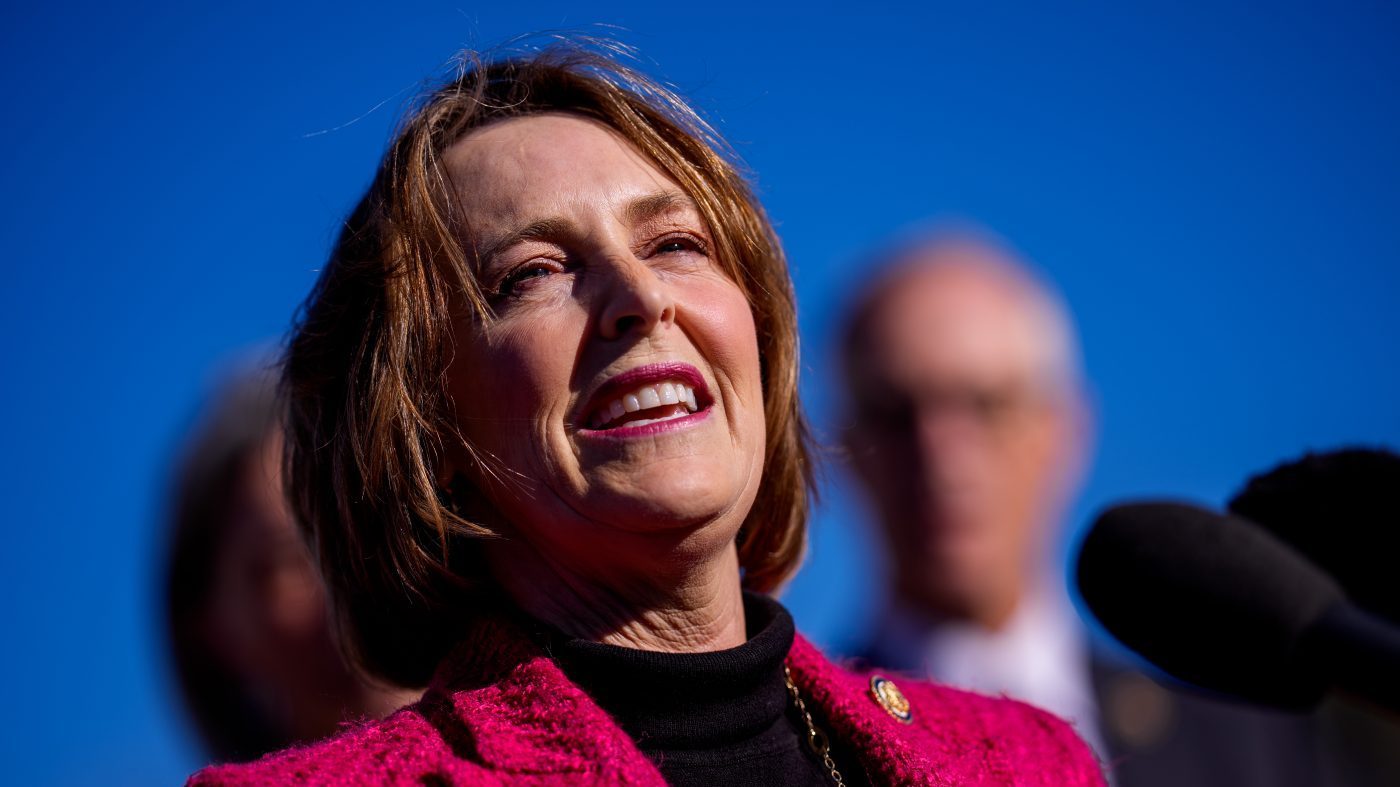
Democratic Rep. Kathy Castor has fended off a Republican challenge in Florida's 14th Congressional District, according to Decision Desk HQ projections. With 92.9% of votes counted by Tuesday evening, Castor led challenger Mike Beltran by 5.9 percentage points, securing another term in a seat that Republicans had targeted through aggressive redistricting.
Castor's victory is a significant blow to GOP hopes of using the once-a-decade remapping process to gain House seats. She was one of four Democratic incumbents whose districts were redrawn to favor Republicans, yet Democrats now appear poised to win all four. This outcome underscores the resilience of Democratic candidates in competitive terrain and bolsters the party's chances of retaining—or even expanding—its House majority.

“The voters of Tampa Bay have sent a clear message that they want representation focused on their needs, not partisan games,” Castor said in a victory statement. “I’m ready to keep fighting for lower costs, better healthcare, and a clean environment.”
Castor, a senior member of the House Energy and Commerce Committee, has represented the Tampa area for nearly two decades. She first entered Congress in 2007, representing Florida's 11th District, which was later redrawn into the 14th District after the 2010 census. This year, Republicans pushed through a midcycle redistricting that made her district more competitive, carving out parts of Democratic-leaning Tampa and adding more conservative suburbs.
Beltran, a former state representative, ran as the GOP nominee and was included in the National Republican Congressional Committee's battleground program—a clear sign that national Republicans saw the seat as a pickup opportunity. He also received an endorsement from former President Trump in early September. However, during the general election, Beltran distanced himself from Trump, scrubbing mentions and images of the former president from his campaign website that had been prominent during the primary.
The race drew national attention as a bellwether for the midterm environment. Political analysts noted that if Castor could hold on in a district deliberately drawn to favor Republicans, it signaled broader Democratic strength. “This is a district that was designed to elect a Republican,” said University of South Florida political scientist Susan MacManus. “Castor’s win says a lot about her personal brand and the limits of gerrymandering in the face of a strong incumbent.”
Castor’s victory also stands in contrast to other redistricting battles across the country. In Missouri, voters rejected a GOP redistricting plan that would have endangered a Democratic seat, while in Tennessee, Republicans successfully flipped a district through redistricting. These mixed outcomes highlight the uneven impact of the redistricting cycle, but for Democrats, holding all four targeted seats would be a major win.
As the dust settles, Castor’s re-election is likely to be cited as evidence that voters are rewarding incumbents who focus on local issues, even in a challenging political climate. With Democrats now eyeing a possible larger majority, the Tampa-area congresswoman’s resilience may serve as a blueprint for other vulnerable members. Her focus on healthcare, infrastructure, and environmental protection resonated with a diverse constituency that includes urban Tampa and suburban communities.
Looking ahead, Castor is expected to continue her work on the Energy and Commerce Committee, where she has been a vocal advocate for clean energy and consumer protections. Her victory not only secures her own seat but also contributes to the broader Democratic narrative of resistance against GOP redistricting tactics.