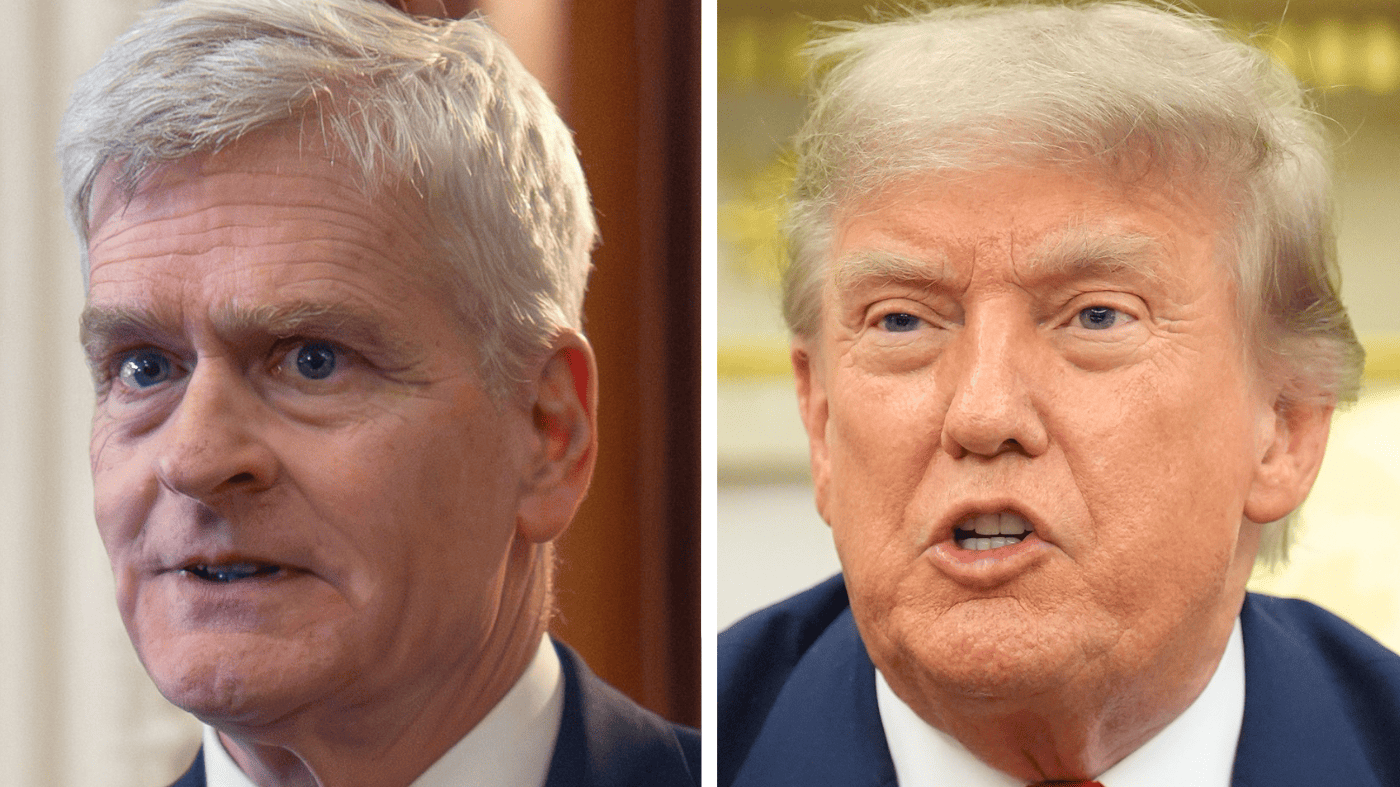
Sen. Bill Cassidy (R-La.) declared he would not be intimidated into silence after a shouting match with President Trump on Wednesday, following Cassidy’s vote to limit the president’s military authority over Iran. The confrontation, which took place in the Mansfield Room near the Senate floor, underscored deepening fissures within the GOP over executive power and the administration’s handling of Tehran.
“I’m not going to be bullied when I’m trying to get answers for the American people,” Cassidy told ABC News. “This is not about me, it’s not about the president. It’s about the American people knowing what’s going on.” He added, “I’m not going to be bullied into silence when I’m sticking up for the American people.”
The clash erupted after Cassidy, along with Sens. Rand Paul (R-Ky.) and Lisa Murkowski (R-Alaska), voted for a House-passed war powers resolution that would have forced Trump to withdraw U.S. forces from hostilities against Iran. Trump berated the trio during the meeting, accusing them of undermining his negotiating leverage. Cassidy, who recently lost his reelection bid to a Trump-backed challenger, bluntly told the president that he had not provided sufficient information to Congress or the public about the conflict, which Trump initially claimed would last only four to five weeks.
Following the heated exchange, Cassidy was invited to the White House for a briefing on Iran from Vice President JD Vance and Special Envoy Steve Witkoff, who are leading talks to secure a long-term deal to end Tehran’s nuclear enrichment program. Later Wednesday, Cassidy voted against advancing a separate war powers resolution sponsored by Sen. Tim Kaine (D-Va.)—a measure he had supported just last month in committee. He explained that the briefing provided the clarity he needed.
Paul also shifted his stance, voting “present” instead of “yes” on Kaine’s resolution. The Kentucky Republican, who had previously voted ten times in favor of Democratic-led war powers measures on Iran, wrote on social media platform X that he wanted to give the Trump administration “more space and leverage” to reach a peace deal. “My opinion on the debate over war and executive power has not changed,” Paul wrote. “But since hostilities seem to be over and the President asked me to give consideration to his negotiating position, I will do so.”
The episode highlights the broader struggle within the Senate GOP over how to balance oversight of presidential war powers with support for the administration’s foreign policy. As Senate GOP backs down on Iran war rebuke, preserving Trump's negotiating room, the shifting votes of Cassidy and Paul reflect a party wary of undercutting the president during delicate negotiations. Kaine’s resolution ultimately failed to advance, 47-50, on Wednesday evening.
For Cassidy, the confrontation and subsequent change of heart may do little to mend his strained relationship with Trump, but he insists his priority remains transparency. “I’m not going to be bullied,” he repeated. The after heated clash with Trump, Cassidy gets Iran briefing from Vance that swayed his vote, but the political fallout is far from over.