When Nike signed Michael Jordan to a revenue-sharing deal in the 1980s, it triggered a seismic shift in professional sports, allowing athletes to cash in on their market value. College athletics is now at a similar inflection point, with name, image, and likeness (NIL) policies enabling players to profit. But a new bipartisan bill, the Protect College Sports Act, risks sidestepping the very people who drive the industry: the athletes.
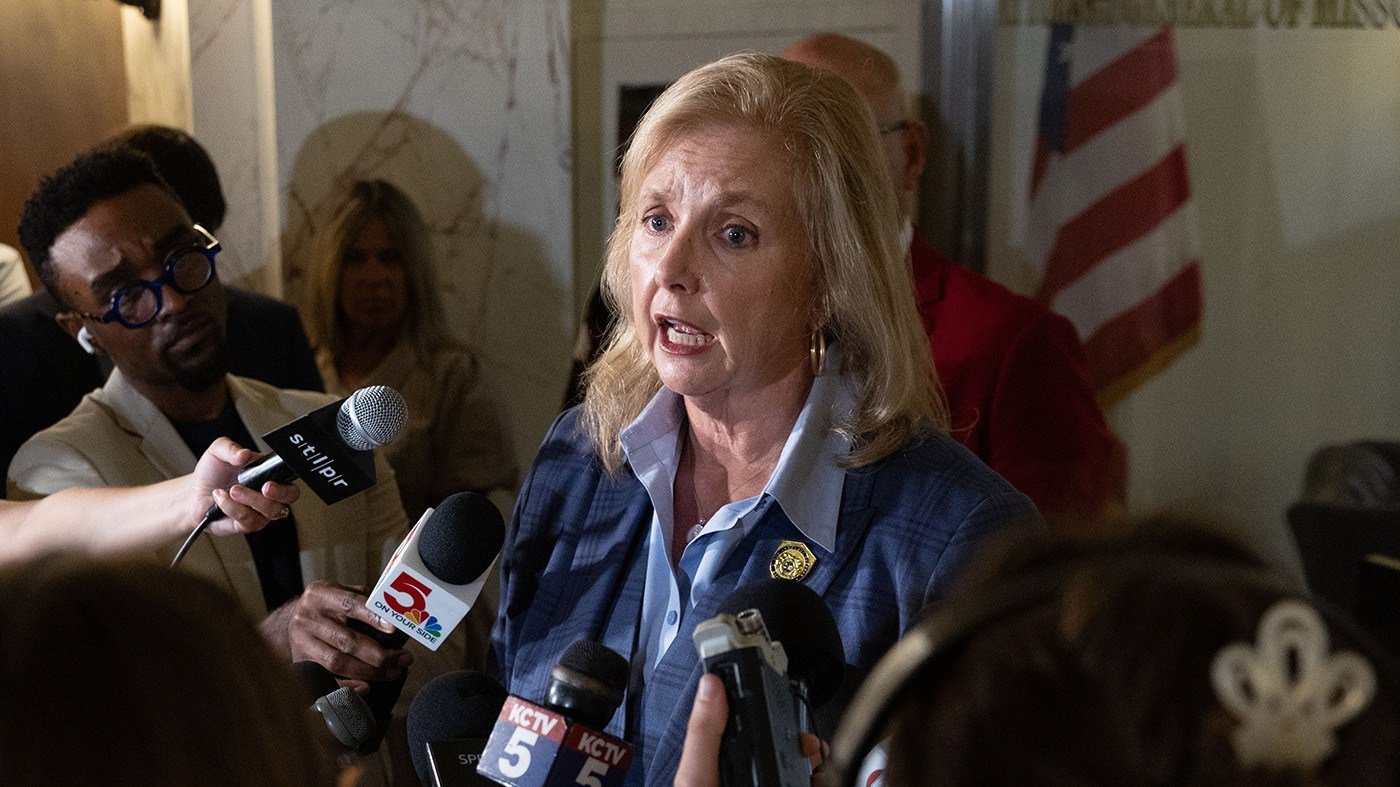
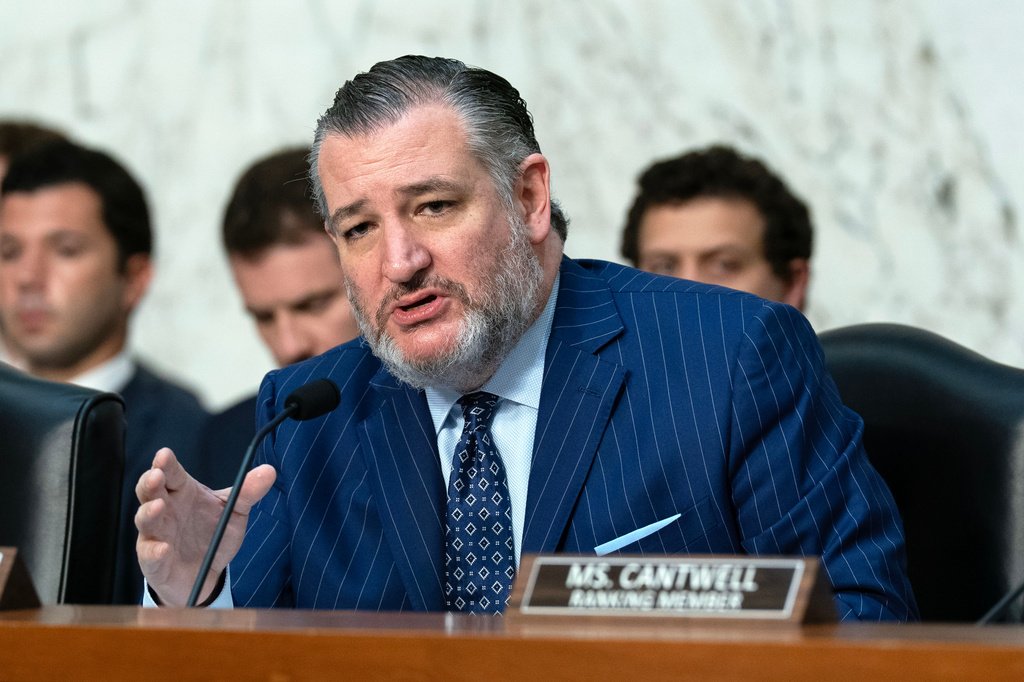
Introduced by Sens. Maria Cantwell (D-Wash.) and Ted Cruz (R-Texas), the legislation aims to impose federal guardrails on college sports. It would limit athletes to one transfer without penalty, ban mid-season coach poaching, certify agents, and cap agent fees at 5%. It also seeks to grant the NCAA antitrust protection—a long-sought shield against lawsuits that have chipped away at its authority. Yet the bill conspicuously fails to create a formal mechanism for student-athlete input, a gap that critics say undermines the system's legitimacy.
The NIL landscape has been chaotic since the Supreme Court's 2021 ruling that cleared the way for compensation. State laws in 35 states have created a patchwork of rules, while NIL collectives—donor-funded groups—have sparked controversies over pay disparities and transparency. Media estimates peg top football players' earnings as high as $30–40 million annually, fueling an arms race that worries university leaders about non-revenue sports and academic balance. But instead of bringing athletes to the table, the bill hands more power to the NCAA, a body that has lost multiple antitrust cases, including a 2024 challenge over its investigation of NIL collectives in Tennessee and Virginia.
The NCAA's antitrust troubles are a key driver of the bill. Without protection, the organization has struggled to enforce eligibility rules, raising questions about its future. However, the legislation's approach mirrors that of professional sports leagues, which enjoy antitrust exemptions but also have collective bargaining agreements. College athletes lack that unionized voice, leaving them vulnerable to unilateral rule changes.
“The current debate is no longer about the legitimacy of NIL,” said one researcher who has studied the issue. “The real issue now is how power will be allocated and who will shape the rules moving forward.” The bill, as drafted, tilts that power toward the NCAA and away from the athletes who generate billions in revenue.
To fix this, Congress should take two steps. First, it should avoid granting broad antitrust protection without establishing a shared governance model akin to collective bargaining. That would ensure athletes have a seat at the table when rules are made. Second, any federal framework should prioritize transparency, financial education, and athlete protections, drawing on strong state models like those in California, South Carolina, and New York, which have clear agent certification and contract disclosure rules.
The Protect College Sports Act is a response to real challenges, but it risks repeating the mistakes of the past by silencing the voices at the center of the game. As Phil Knight learned with Jordan, giving players a share of the value they create can transform an industry—but only if they're part of the conversation. Congress should follow that lead, not sideline it.
For more on how sports and policy intersect, see our coverage of bipartisan scrutiny of NFL streaming costs and the Rubio-White sports diplomacy pact.