As the Democratic majority prepares to take control of the House in January, the party faces a pivotal decision: who will wield the Speaker's gavel, and more importantly, how will that leader approach the job? The 2026 midterms delivered a clear rebuke of President Trump and his allies, but the incoming majority must now choose between a purely partisan agenda and a more inclusive strategy that seeks common ground with moderate Republicans.
The lesson of past legislative triumphs is that enduring achievements require broader coalitions, not just party-line votes. Social Security, civil rights, and other landmark laws were built on bipartisan foundations. The next Speaker would do well to remember that overreach often backfires, as the midterms demonstrated. The challenge is to balance the energy of the Democratic base with the need to govern a deeply divided nation.
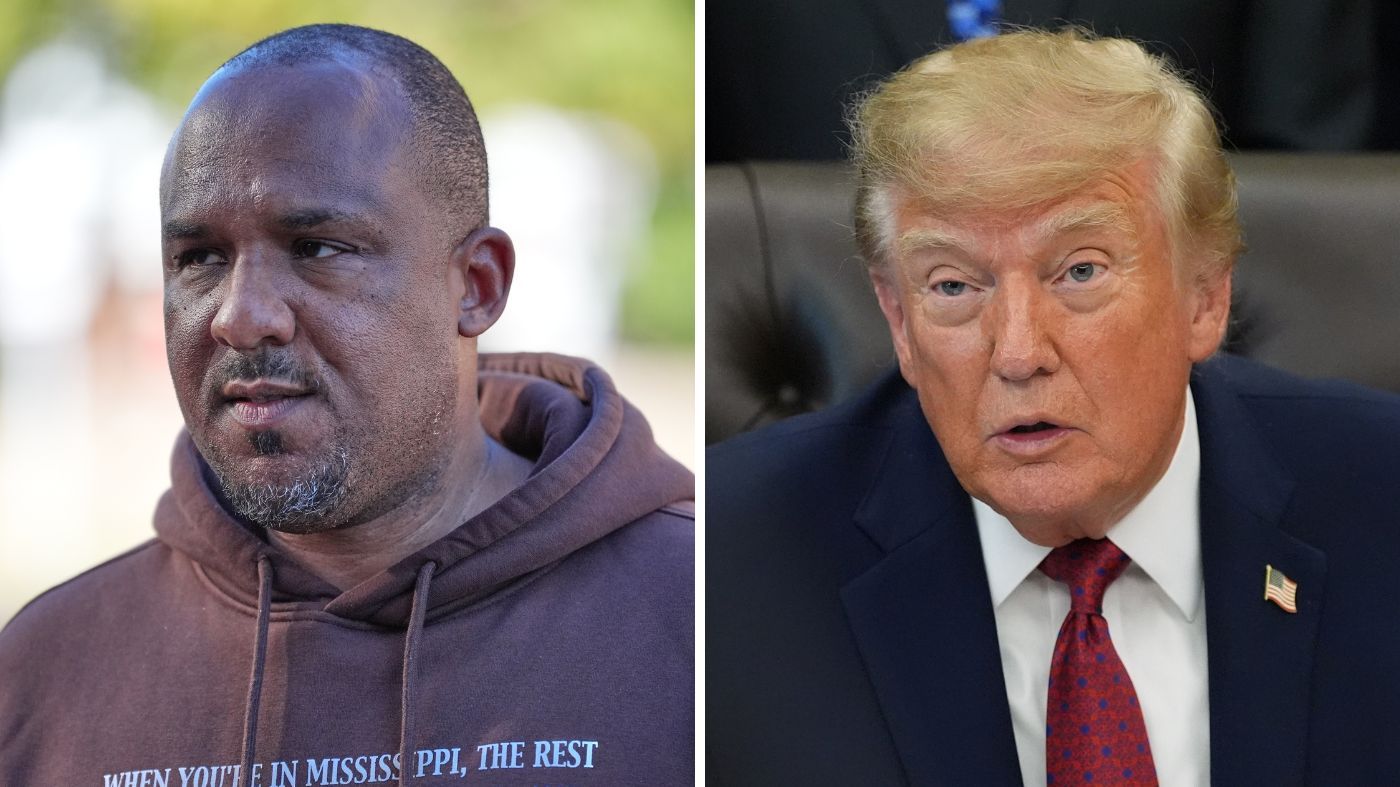
Newly elected senators James Talerico of Texas and Adam Hamilton of Kansas have urged a move beyond the angry divisions of the MAGA era toward a renewed commitment to national community. Their call resonates with many voters who are tired of gridlock and partisan warfare. The question is whether the House can respond in kind.
History offers examples of Speakers who successfully reached across the aisle. Sam Rayburn collaborated with President Eisenhower on key initiatives. John McCormack helped build bipartisan majorities for the civil rights acts of the 1960s. Even Newt Gingrich, a fierce partisan, managed to strike major deals with President Clinton in 1997. More recently, Tom Foley's attempt to engage moderate Republicans in 1989 was stymied by his own caucus, but the idea never fully disappeared.
Now, with many Trump loyalists defeated, there may be a fresh opening for cooperation. Some Republicans might be willing to embrace the center on issues like the Epstein scandals, ending the open-ended war in Iran through the War Powers Act, or protecting the Federal Reserve's independence from executive overreach. These are areas where bipartisan agreement already exists in public opinion polls, including surveys of over 40,000 voters in battleground states conducted by Steven Kull's Voice of the People.
The next Speaker will face pressure from progressives wary of legitimizing Republicans who might challenge them in future elections. Yet a savvy leader could turn bipartisanship into an electoral asset, demonstrating the ability to deliver results and appealing to the broad middle that yearns for an escape from Trump-era turbulence. As the new Congress convenes, the Speaker's choice will set the tone for the next two years.
Some Democrats have already floated the idea of supporting a Republican for Speaker if meaningful cooperation were possible, echoing behind-the-scenes discussions during Kevin McCarthy's fall. While that scenario is unlikely, it signals a desire for a more functional chamber. The next Speaker could also look to Hakeem Jeffries' path as a model for navigating internal divisions while projecting unity.
Ultimately, the test is whether the House can break the gridlock that has frustrated recent leaders. By marshaling the true centrist consensus, the next Speaker could set the stage for a more effective and respected institution. As the political landscape shifts, the opportunity for a whole-House approach has never been greater—but it will require courage and political skill to seize it.