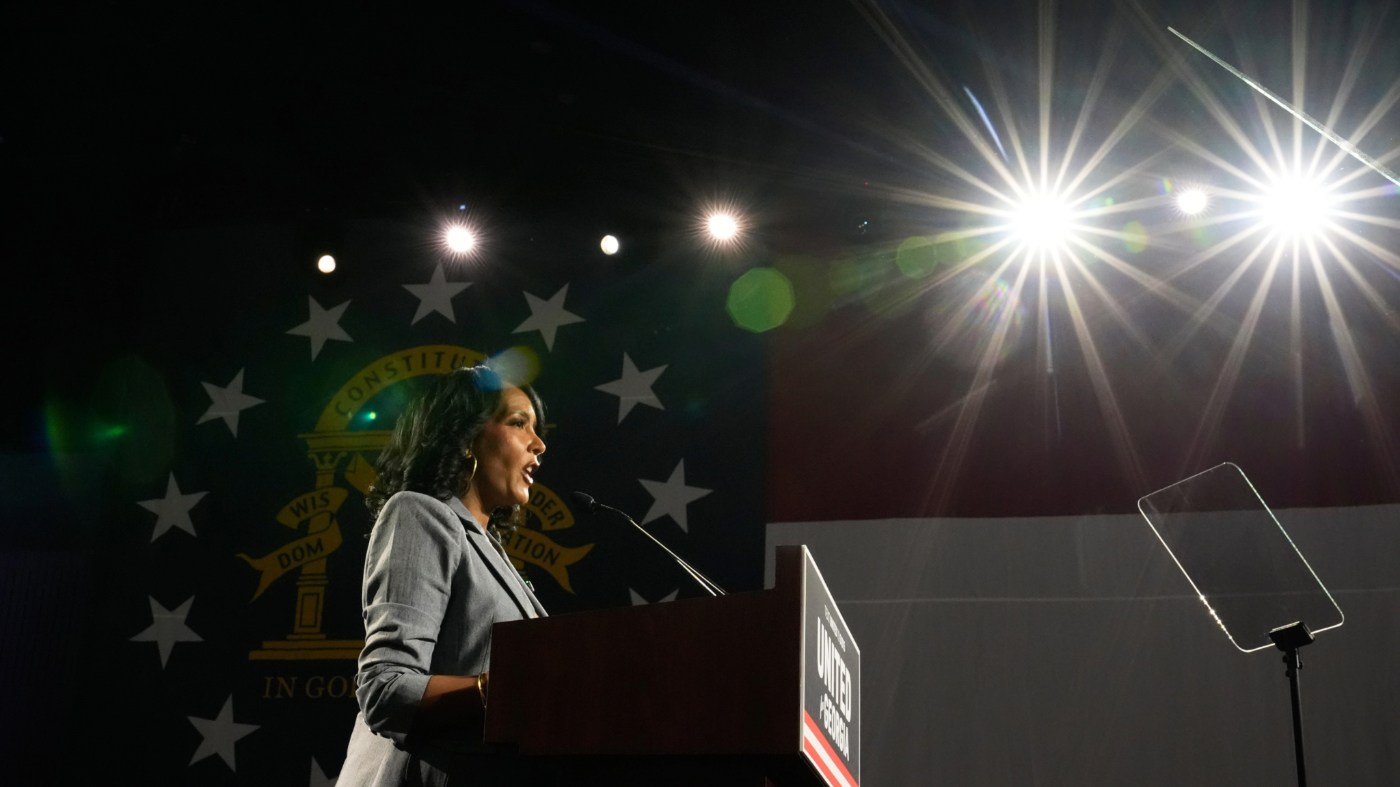
When Keisha Lance Bottoms knelt at the grave of her great-great-grandmother Betsy Peek in Crawfordville, Georgia, on Nov. 2, she wept. Peek's husband, Sheppard, had been listed among a white man's possessions in 1860, valued at $1,400, and signed documents with an "X." The next day, Bottoms became the first Black woman elected governor of any American state.
That same night, Democrats swept the Senate and House, with a wave of historic firsts: Gina Hinojosa became Texas's first Latina governor; Dr. Annie Andrews won a Senate seat in South Carolina for the first time since 1998; Adam Hamilton broke a 92-year Democratic drought in Kansas; Deb Haaland became New Mexico's first Native American governor; and Jon Ossoff, Georgia's first Jewish senator, won re-election.
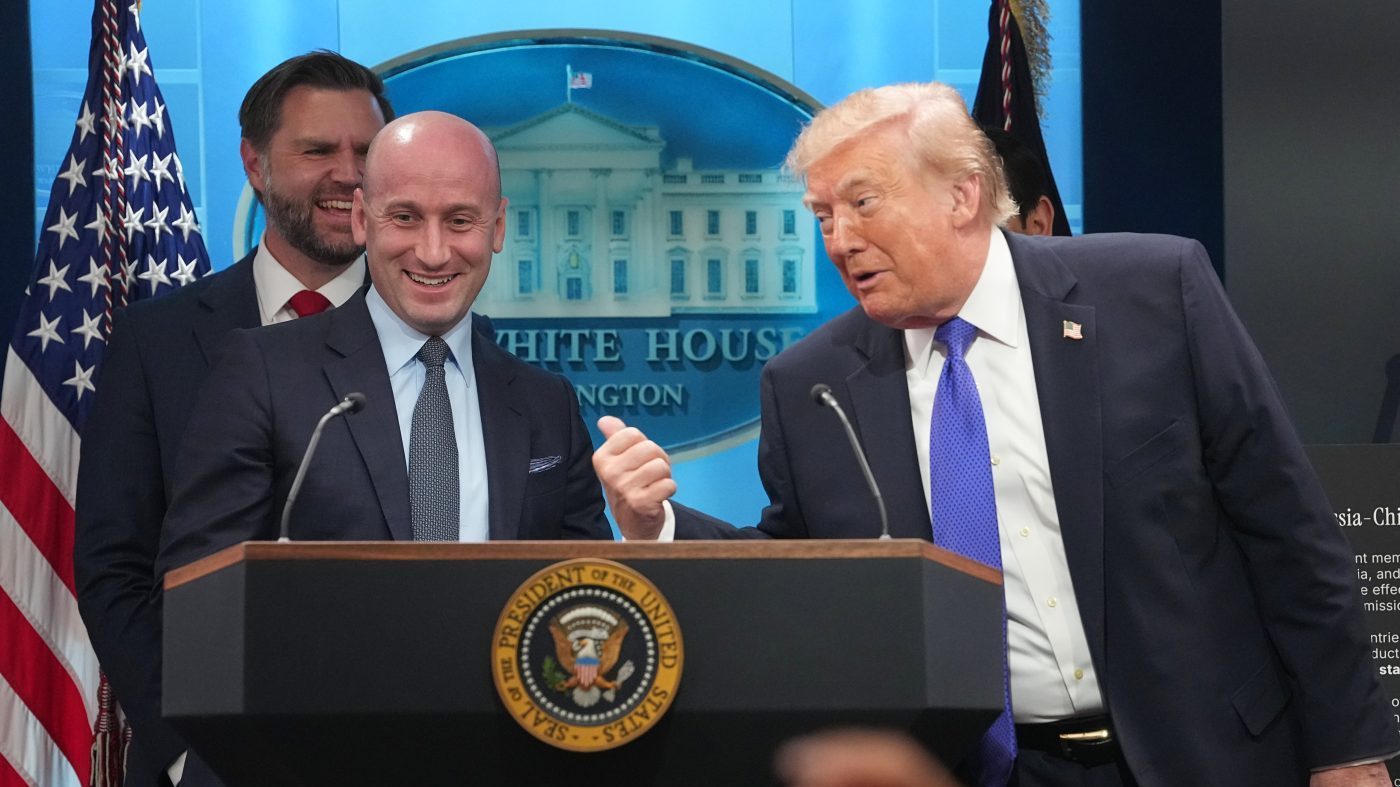
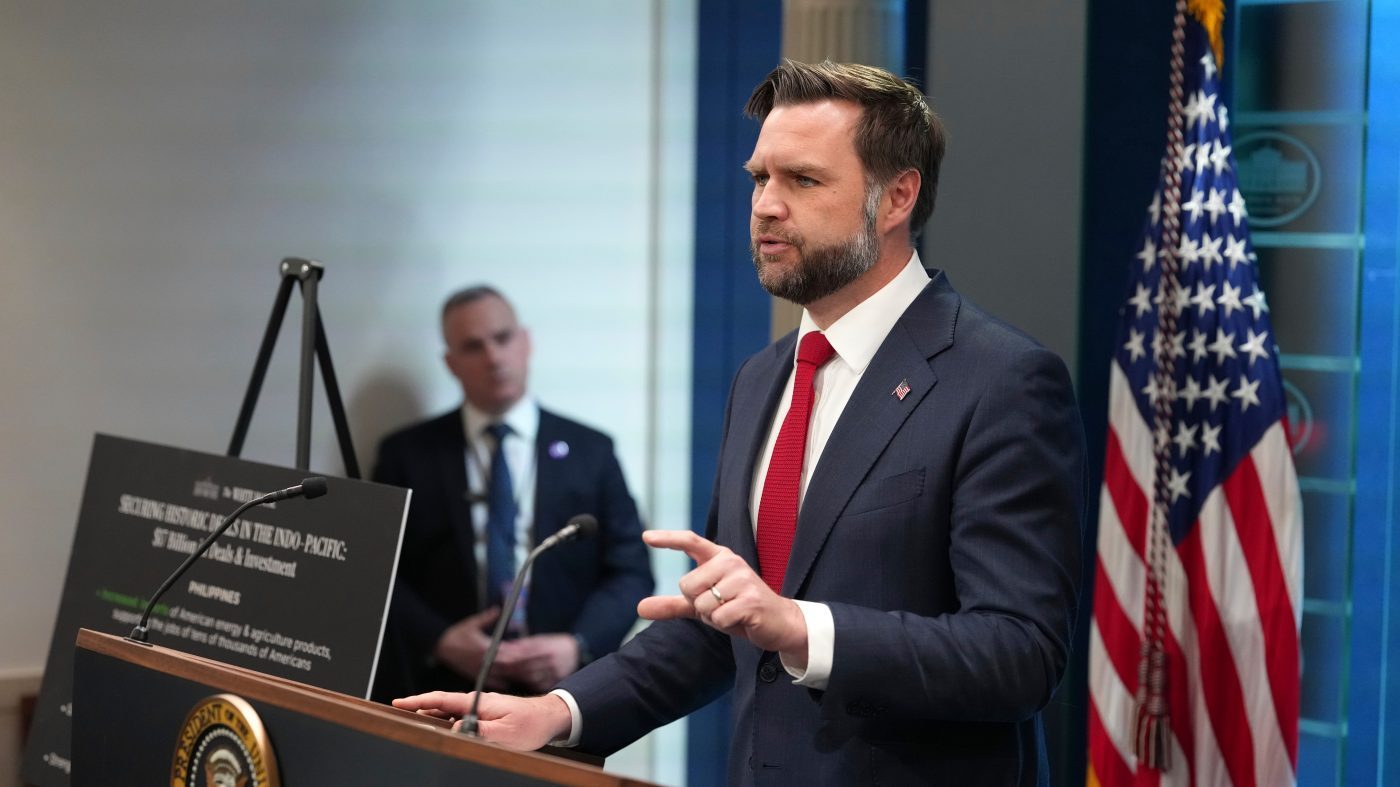
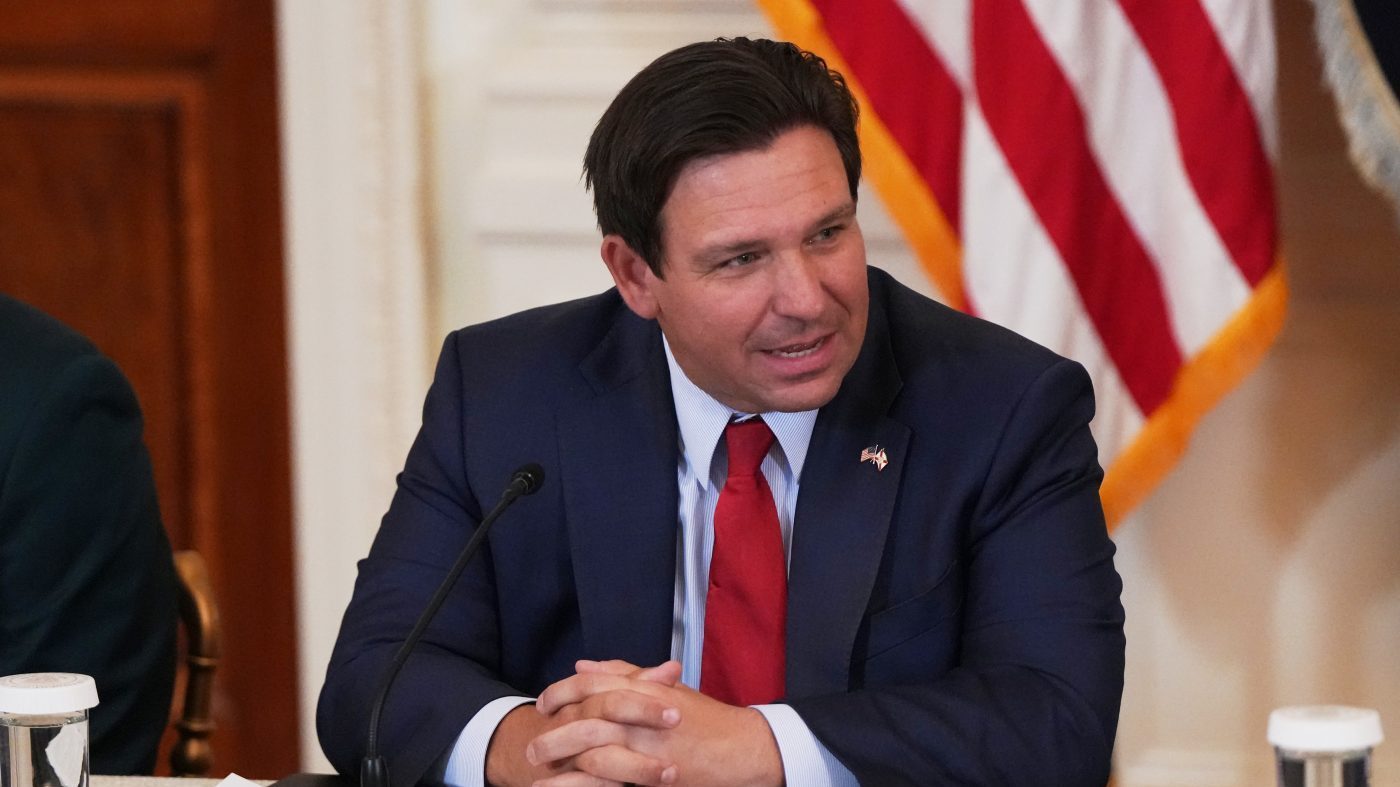
Abdul El-Sayed, elected Michigan's first Muslim senator, delivered a victory speech that turned an Arabic term of endearment into a political jab. Addressing Vice President JD Vance, he said, "JD, habibi," a phrase meaning "my beloved," with the sharp wit of a Southern "bless your heart." He followed with a nod to their college rivalry: "Wolverines 1, Buckeyes 0." And to President Trump, who had repeatedly mangled his name, he said, "You can just go on and call me senator." By Thursday, he had launched a new political action committee: Habibi PAC.
The Democratic bench suddenly looked deep and vibrant, with Ossoff's precision, New York Mayor Zohran Mamdani's exuberance, and Rep. Alexandria Ocasio-Cortez's fire. Presidential speculation was immediate. Axios reported that Ossoff had "vaulted into the top tier" of Democratic prospects, while noting that Bottoms could appoint a Democrat to the Senate if Ossoff or Sen. Raphael Warnock won the White House. Atlanta News First called Ossoff a political "powerhouse," comparing his denials of ambition to Barack Obama's in 2006, while saying Bottoms would bring Georgia Democrats "unprecedented national visibility."
The disparity in coverage—focusing on Ossoff's presidential future while framing Bottoms primarily as a potential Senate seat-filler—raised questions about how political futures are imagined. Bottoms had just ended 24 years of Republican rule in Georgia, yet the national conversation about her centered on a vacancy she might fill if a man reached the presidency.
Research suggests these narratives matter. A 2022 study of 7,895 participants found that Democratic primary voters hesitated to support women they preferred because they expected others to reject a female president. Evidence that women received comparable electoral support increased willingness to support them; mere assertions of support did not. This creates a self-fulfilling cycle of doubt.
Election night was electric for women. More than 100 Democratic women won House seats, and women won governorships and Senate races across the country. The next president could be among them. As Bottoms' victory demonstrated, what was once impossible is now possible.
El-Sayed has vowed to counter Trump's "crass and obnoxious" politics in kind, and Ocasio-Cortez is already a serious contender for 2028. But the media's framing of women's electability remains a hurdle. As the 2028 conversation begins, it should be as unruly and exuberant as election night. The country has just rewritten what is possible—why stop there?