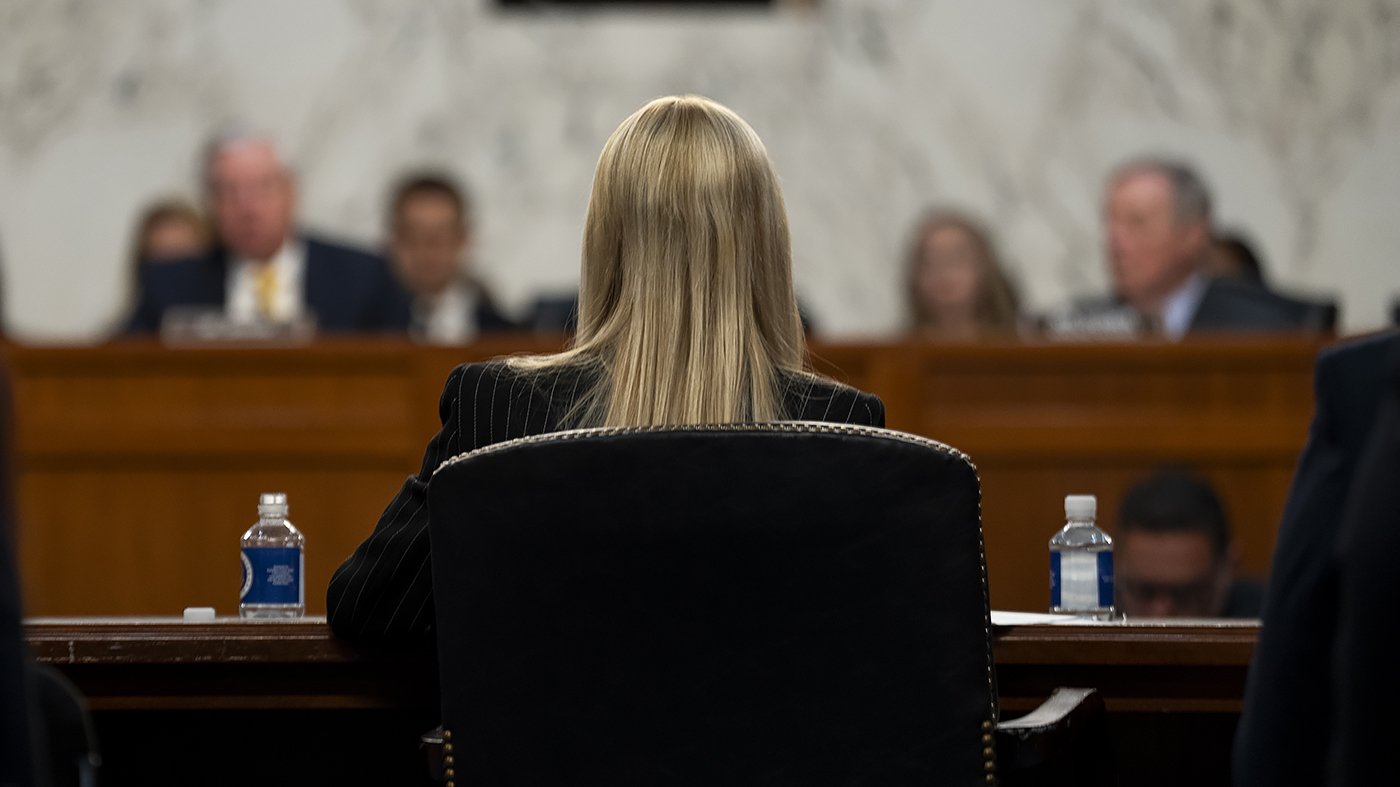
The House Oversight and Government Reform Committee on Thursday made public the transcript of former Attorney General Pam Bondi’s closed-door interview regarding her role in the handling of documents related to the Jeffrey Epstein case. The 111-page record reveals that Bondi repeatedly refused to answer questions during the roughly four-hour session, shifting responsibility to acting Attorney General Todd Blanche.
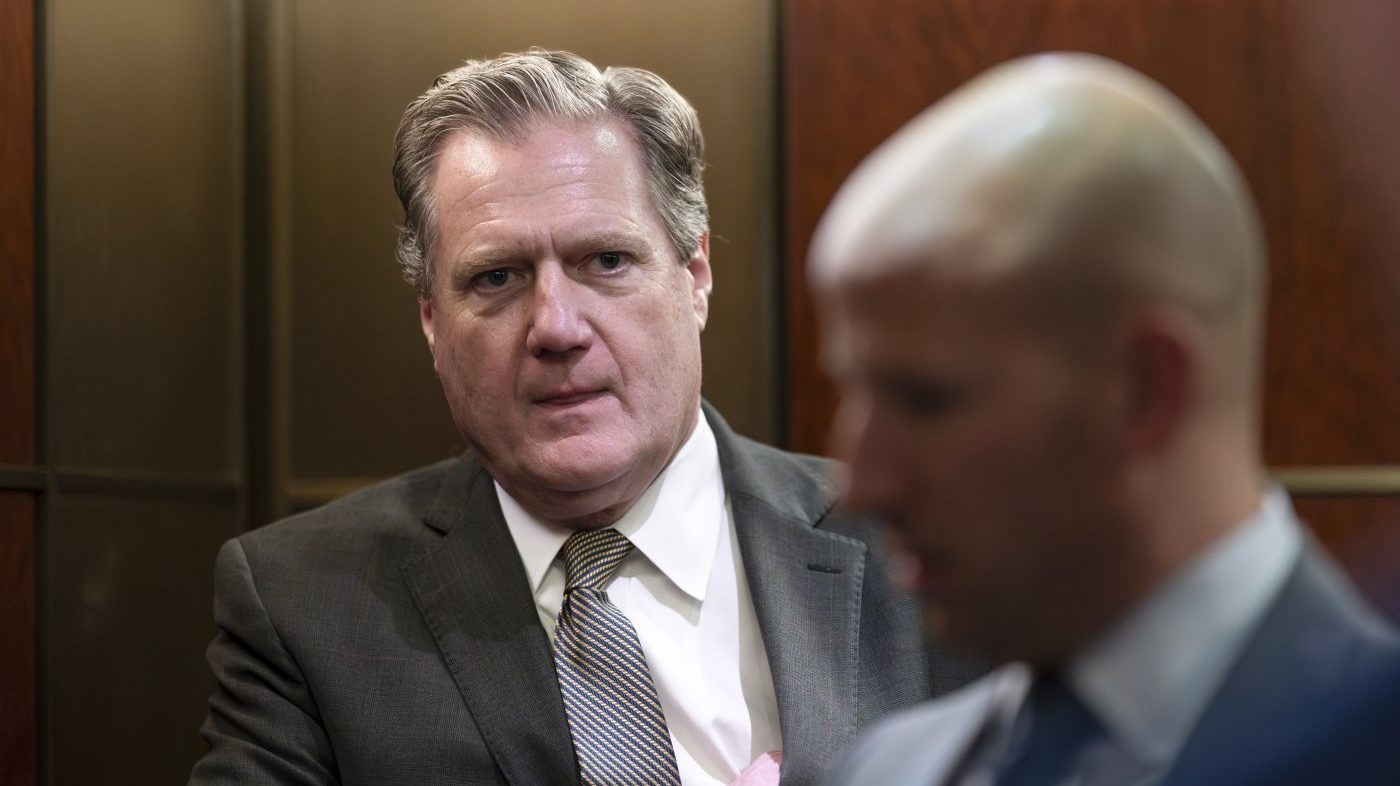
Although Bondi had been subpoenaed to give a sworn deposition, an agreement with Committee Chair James Comer (R-Ky.) allowed her to participate in a transcribed interview instead—one that was not recorded on video. The arrangement has drawn criticism from Democrats, who argue it limited accountability.

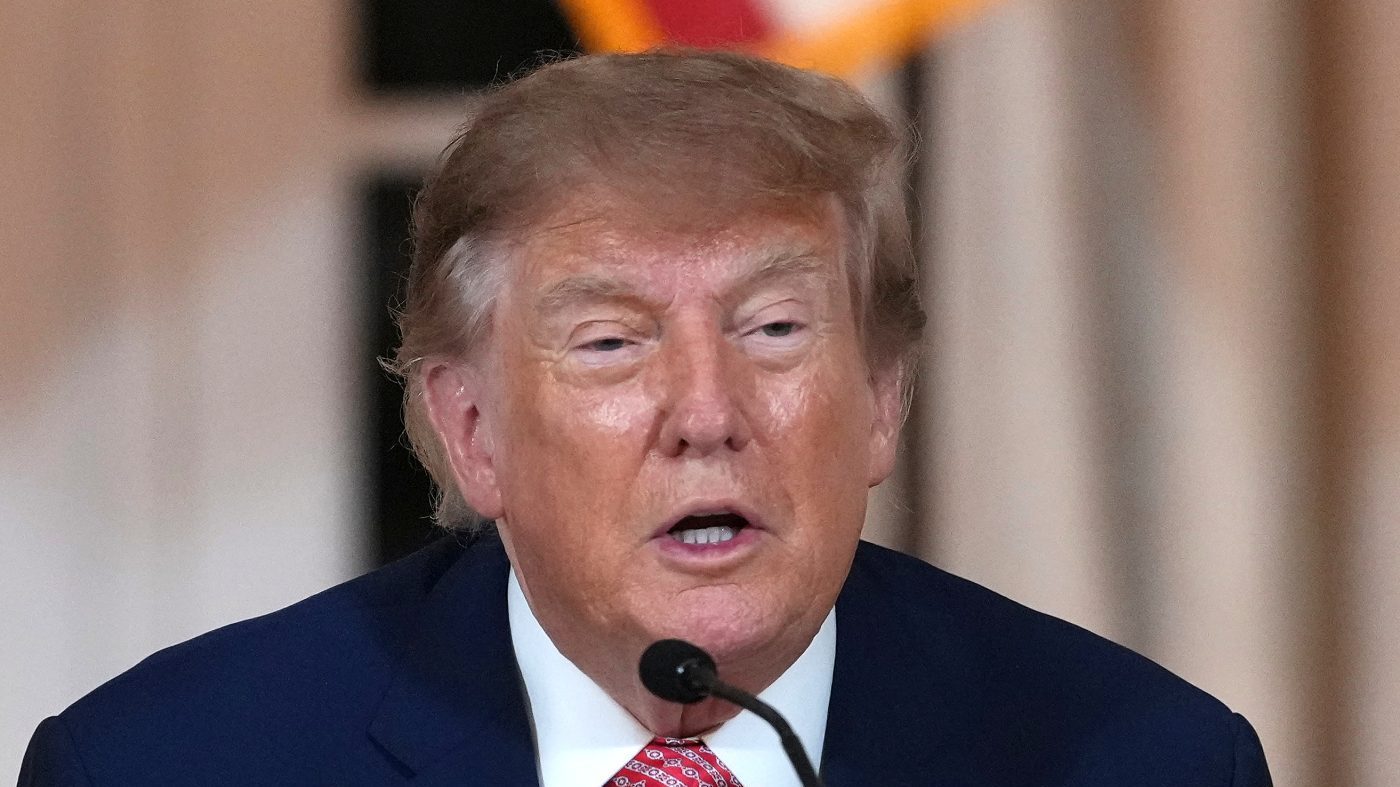
Throughout the interview, Bondi deflected inquiries about her interactions with the White House and former President Donald Trump. When pressed on whether Trump directed her to withhold Epstein files, she declined to answer directly, instead citing executive privilege and pointing to Blanche’s office as the final arbiter of document disclosures. This pattern of evasion is detailed in a related article about Bondi blaming Blanche for the Epstein file chaos.
The transcript also shows Bondi asserting that the Department of Justice had not fully briefed her on the status of Epstein-related materials before she left office. She claimed that operational control over the files rested with Blanche, who was acting attorney general at the time. Her testimony has fueled ongoing demands from House Democrats for subpoenas against both Blanche and FBI Director Kash Patel, as covered in this report on subpoena demands.
Republicans on the committee, however, have defended Bondi’s cooperation, noting that she appeared voluntarily under the agreed terms. Comer stated that the transcript provides a “clear picture” of the bureaucratic hurdles that delayed the release of Epstein files, while Democrats counter that Bondi’s refusal to answer key questions undermines the investigation’s credibility.
The release comes amid a broader push for transparency in the Epstein case. In New Mexico, state investigators have issued subpoenas targeting banks, the FBI, and a research institute linked to Epstein’s network, as detailed in this update on the New Mexico probe. Meanwhile, Trump’s recent trip to the Situation Room for Iran deal negotiations has been overshadowed by the Epstein file controversy, with Bondi’s deflection drawing fresh scrutiny.
The full transcript is now available for public review, marking another chapter in the long-running battle between Congress and the executive branch over access to Epstein-related records. Critics argue that the closed-door format and Bondi’s evasions highlight a pattern of obstruction, while supporters say the interview was a legitimate step in the oversight process.