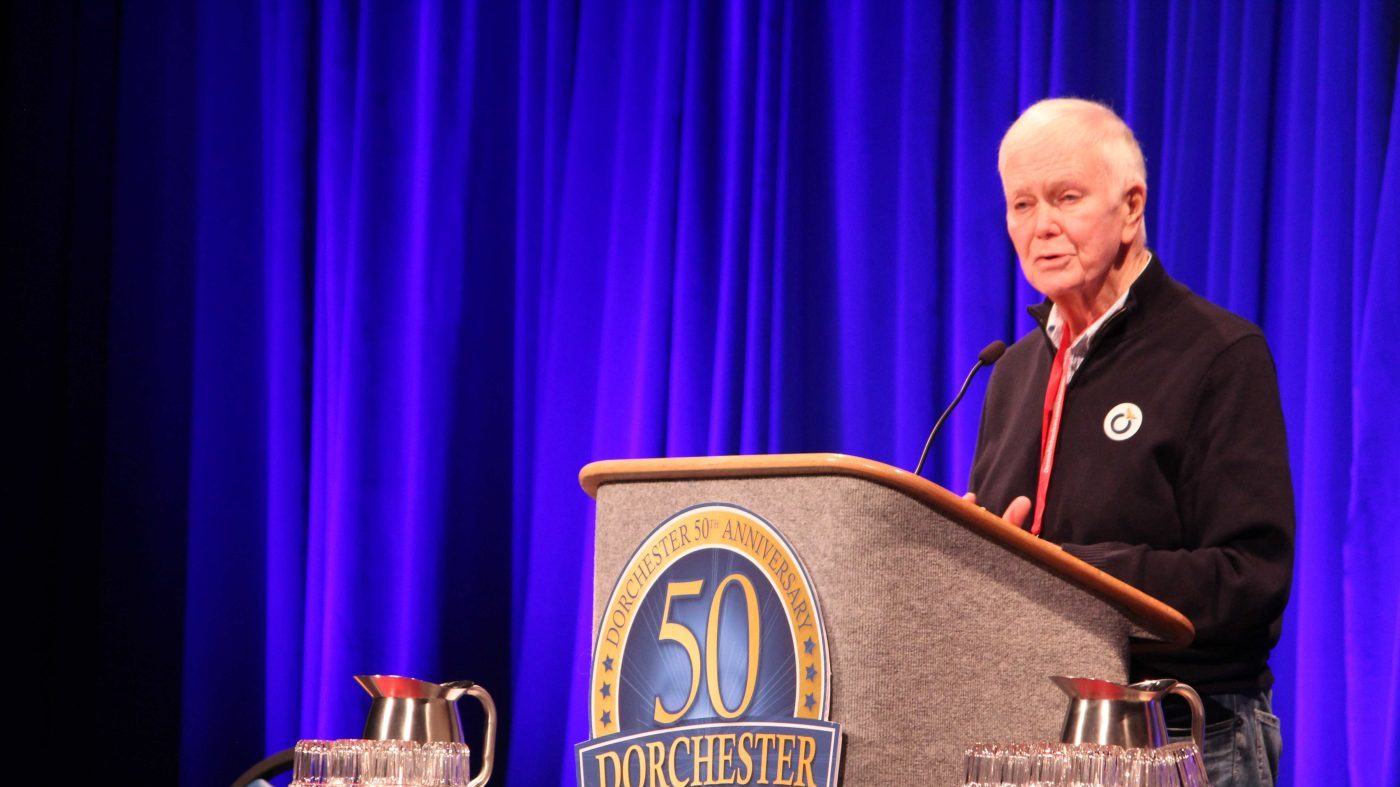
Former U.S. Senator Bob Packwood of Oregon, who resigned in disgrace in 1995 after the Senate Ethics Committee voted to expel him for sexual and official misconduct, has died at age 93. The Oregonian reported Saturday that Packwood died that day in California, a confirmation later echoed by his wife, who said he passed away at a residential care facility in Southern California.
Packwood served in the Senate from 1969 until his resignation, rising to chair the Republican Senatorial Campaign Committee, a precursor to the National Republican Senatorial Committee. His downfall began when the Washington Post published allegations of sexual misconduct, leading to a lengthy Ethics Committee investigation that ultimately released over 10,000 pages of documents. According to the Los Angeles Times, those records revealed a “pattern of abuse of his position of power and authority as United States Senator,” with 19 women accusing him of misconduct.
The scandal marked a pivotal moment in congressional ethics enforcement, predating the #MeToo era by decades. Packwood’s resignation came just before the full Senate could vote on his expulsion, a rare step that would have made him only the second senator expelled since the Civil War. His case remains a reference point in debates over accountability, including recent controversies such as the sexting scandal involving Maine candidate Platner that has roiled Democrats.
Despite his tarnished legacy, Packwood maintained some political allies. In 2014, then-Vice President Joe Biden praised him alongside other moderate Republicans, saying, “It’s Republicans who were involved, guys like Mac Mathias and Packwood and so many others.” Biden’s remarks, made while criticizing the GOP on economic and women’s issues, highlighted the complex cross-party relationships that once defined Senate dealmaking.
Packwood’s career also intersected with broader GOP dynamics, including internal party fractures that persist today. Recent examples of Republican senators breaking ranks—such as the six GOP senators who sank a FISA renewal bid or those who crossed the aisle to block Trump’s anti-weaponization fund—echo the independent streaks Packwood sometimes displayed on issues like tax reform and abortion rights.
The Ethics Committee’s 1995 report concluded that Packwood had engaged in “a pattern of aggressive, blatant, and advanced sexual advances” and had attempted to obstruct the investigation by tampering with evidence. The documents included explicit allegations from multiple women, detailing unwanted advances and harassment. The scandal cut short a once-promising career; Packwood had been a key figure in shaping Republican policy on taxes, trade, and environmental issues.
His death closes a chapter on one of the most dramatic falls from power in modern Senate history. For political observers, Packwood’s story serves as a cautionary tale about the intersection of personal conduct and public trust—a theme that remains as relevant as ever amid ongoing debates over ethics and accountability in Washington.