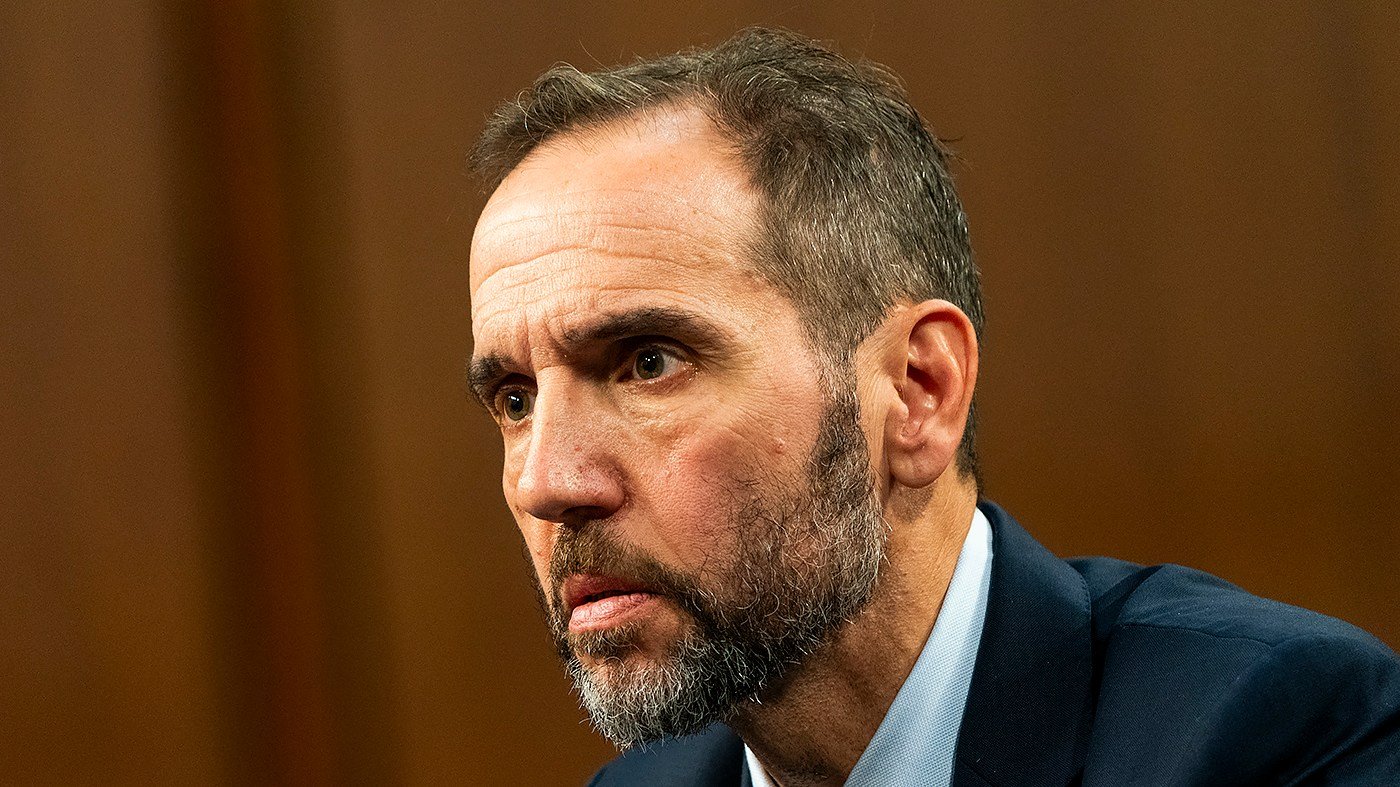
Attorney General Todd Blanche, confirmed earlier this month, has already signaled a significant shift in the Department of Justice's priorities, issuing new guidance that places a renewed emphasis on religious liberty and parental rights. The July 23 memo directs federal agencies to align their practices with recent Supreme Court decisions and the Religious Freedom Restoration Act, aiming to prevent litigation rather than react to it.
Notably, the guidance instructs agencies to account for legal precedent affirming that the Constitution protects parents' authority in directing their children's upbringing. This marks a departure from the previous administration's focus, which many critics argue was disproportionately aimed at limiting parental involvement in matters of abortion and gender ideology.

Under the Biden administration, the DOJ's Civil Rights Division aggressively enforced the Freedom of Access to Clinic Entrances (FACE) Act, often targeting sidewalk counselors and pro-life advocates. Parental rights advocates have long criticized this approach, pointing to cases like that of Mark Houck, a Pennsylvania father of seven whose home was raided at gunpoint over a sidewalk altercation. Houck was later acquitted by a jury in under an hour, and the government paid him a seven-figure settlement.
The DOJ's own task force on anti-Christian bias has acknowledged that many FACE Act cases were built on tips from groups with a vested interest in silencing pro-life voices. Meanwhile, the department largely ignored the other half of the FACE Act, which protects places of worship and pregnancy help centers. Following the Dobbs decision, numerous churches and pregnancy centers were vandalized, yet the DOJ failed to pursue any prosecutions under that provision.
Blanche's guidance builds on earlier actions, including the Solicitor General's unusual decision to file an amicus brief at the certiorari stage in St. Mary Catholic Parish v. Roy, a case challenging Colorado's exclusion of Catholic preschools from its universal program. The department also played a key role in Mahmoud v. Taylor, which secured parents' rights to opt their children out of LGBT-themed instruction.
The shift in DOJ priorities is likely to be welcomed by conservative and religious groups, who have long argued that the federal government overstepped its bounds in regulating family matters. However, it remains to be seen how this new guidance will be implemented across agencies and whether it will lead to a more balanced enforcement of federal laws.
As the DOJ recalibrates its approach, the broader political landscape remains contentious. Recent polls show Democrats gaining ground on key issues, but the administration's stance on parental rights could resonate with voters ahead of the midterms. The ethics committee's handling of misconduct probes also remains under scrutiny, adding to the charged atmosphere.
Blanche's memo, while largely procedural, signals a philosophical realignment within the DOJ. By explicitly acknowledging the constitutional protections for parental authority, the department is moving away from the abortion-centric enforcement of the past and toward a more neutral application of the law, one that respects the rights of families to raise their children according to their own beliefs.