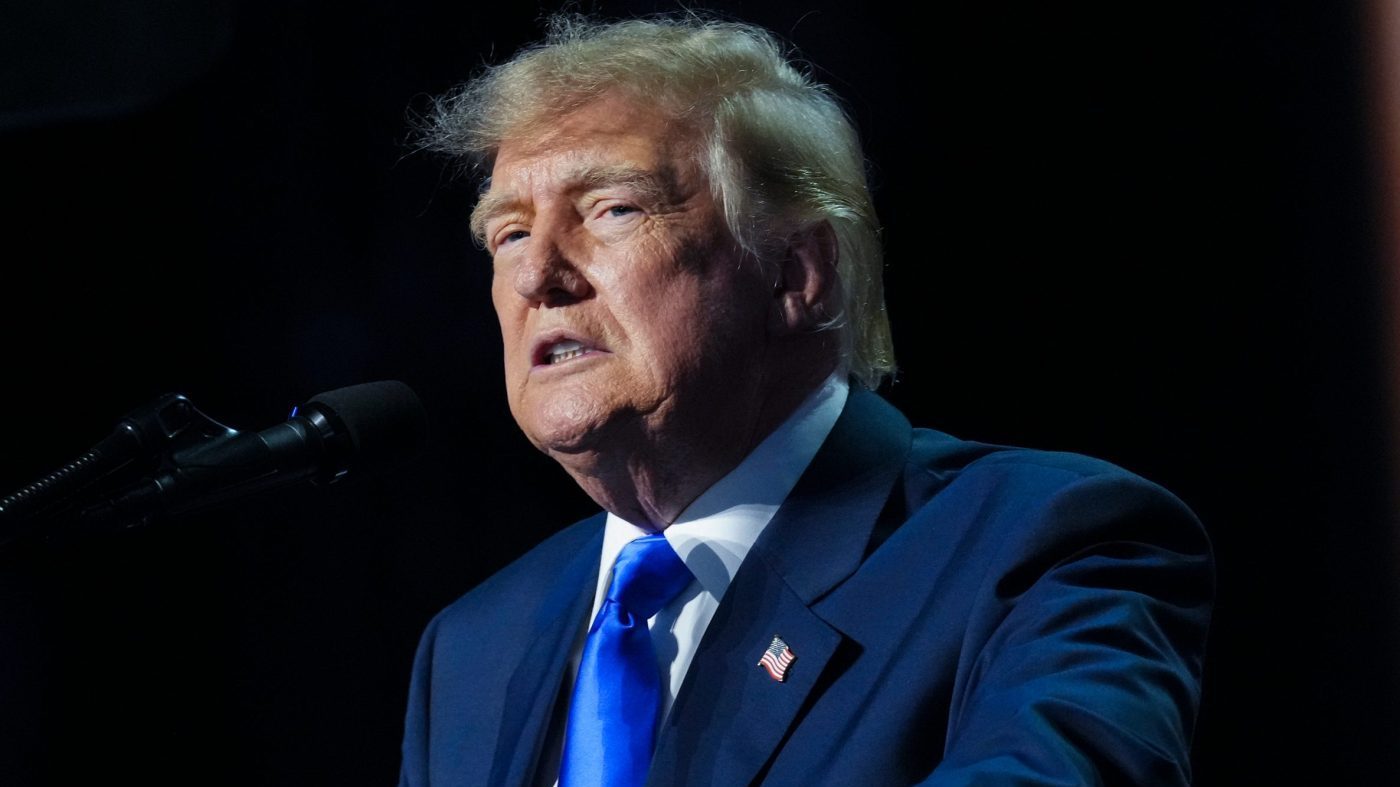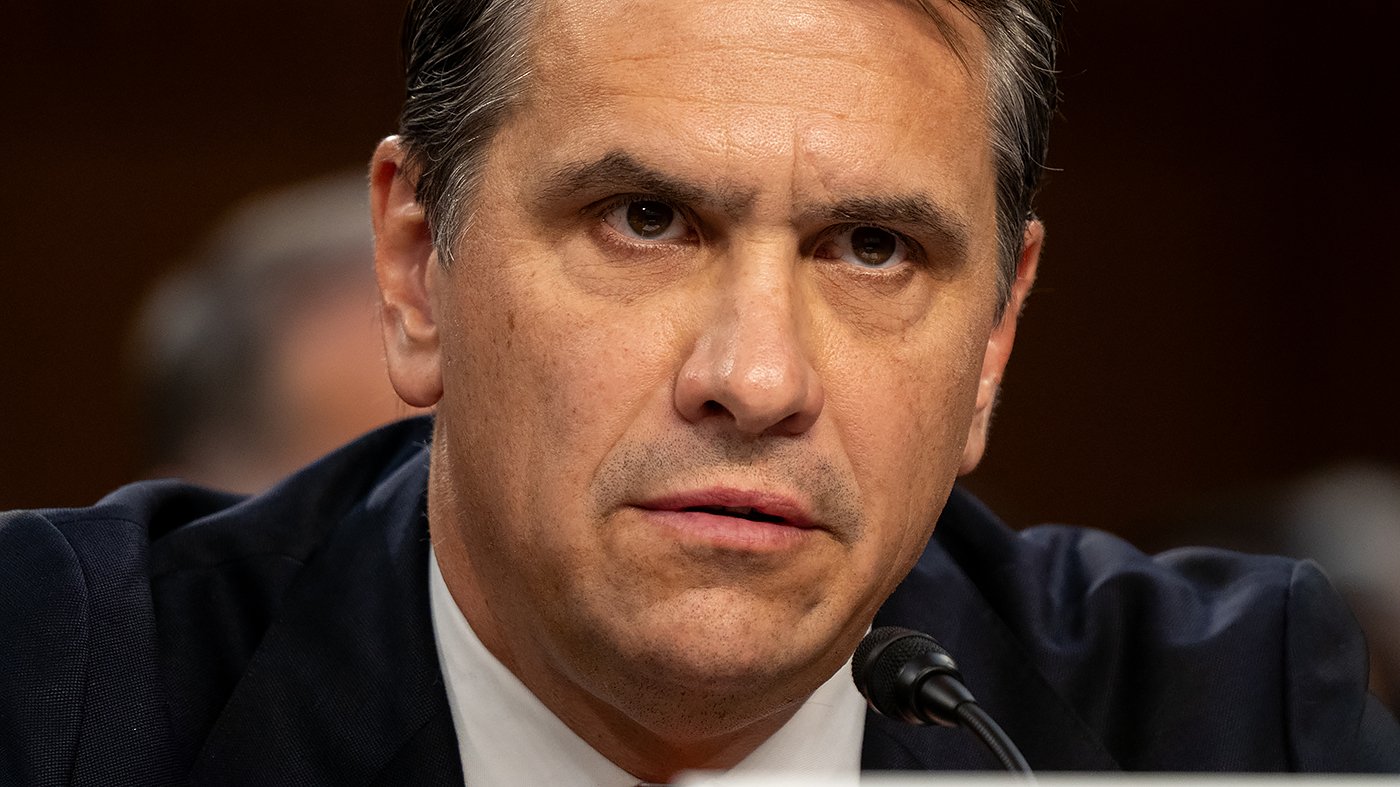
As the midterm elections draw near, voters are watching closely how the Senate handles President Trump's nomination of Todd Blanche to lead the Justice Department. Blanche, who served as deputy attorney general, had a chance to prove his independence but instead collaborated with what critics call the most corrupt administration in modern history.
The Senate's Republican majority now faces a critical test of its allegiance to the rule of law. For a benchmark of what the nation expects from an attorney general, one need only look back to the Watergate scandal of 1973, when Elliot Richardson appointed a special prosecutor, Archibald Cox, to investigate President Richard Nixon's role in the break-in and cover-up.
In October of that year, Nixon ordered Richardson to fire Cox. Rather than comply, Richardson resigned. In his resignation letter, he wrote: "At the time you appointed me, you gave me the authority to name a special prosecutor if I should consider it appropriate." Richardson had promised that Cox would report to him alone and that he would not interfere with the prosecutor's decisions. He concluded: "I feel that I have no choice but to resign."
Deputy Attorney General William Ruckelshaus then took over, but when Nixon ordered him to fire Cox, he too resigned. The White House announced Cox's dismissal, but the Watergate scandal intensified as the Senate launched its own investigation. Ten months later, on August 7, 1974, Republican leaders told Nixon that his support in Congress had evaporated, and he resigned the next day.
Today, Trump's abuses of the presidency and the Justice Department make Nixon's look minor. As deputy attorney general, Blanche has proven he will not only tolerate Trump's lawlessness but actively participate in it. He has openly violated a bipartisan law requiring the release of all Epstein files and collaborated with Trump's scheme to compensate January 6 rioters for their prosecutions related to the 2020 election theft attempt.
Blanche and former Attorney General Pam Bondi fired or forced out Justice Department investigators and prosecutors involved in past probes of Trump. The department has become so toxic that roughly 5,500 attorneys, investigators, and staff were dismissed or pushed into retirement last year. Blanche has helped turn the department into Trump's personal weapon of retribution, bringing specious charges against perceived enemies. The Brennan Center for Justice reports that grand juries have refused to indict Trump's targets at least 18 times, and courts have quashed numerous subpoenas and dismissed cases.
The case of the "seditious seashells" illustrates Trump's pettiness and Blanche's willingness to prosecute on his behalf. The Justice Department indicted former FBI Director James Comey for a photo of seashells on a beach that he said spelled "86 47." Comey posted the photo on social media, and Blanche called it a "grave violation of the nation's laws." Comey now faces charges of threatening Trump's life.
Project Democracy notes: "In a healthy democracy, the justice system must not be weaponized to punish political opponents, chill dissent, or use law enforcement to achieve political objectives. Those are hallmarks of the authoritarian playbook."
The resignations of Richardson and Ruckelshaus highlight an ironic truth: those who most covet the job of attorney general may not be worthy of it. The best candidates are willing to resign to defend the department. The best outcome for Blanche's nomination would be for it to die in committee. For more on the challenges facing Blanche, see Senate skepticism over his Trump loyalty and accountability concerns over his record.