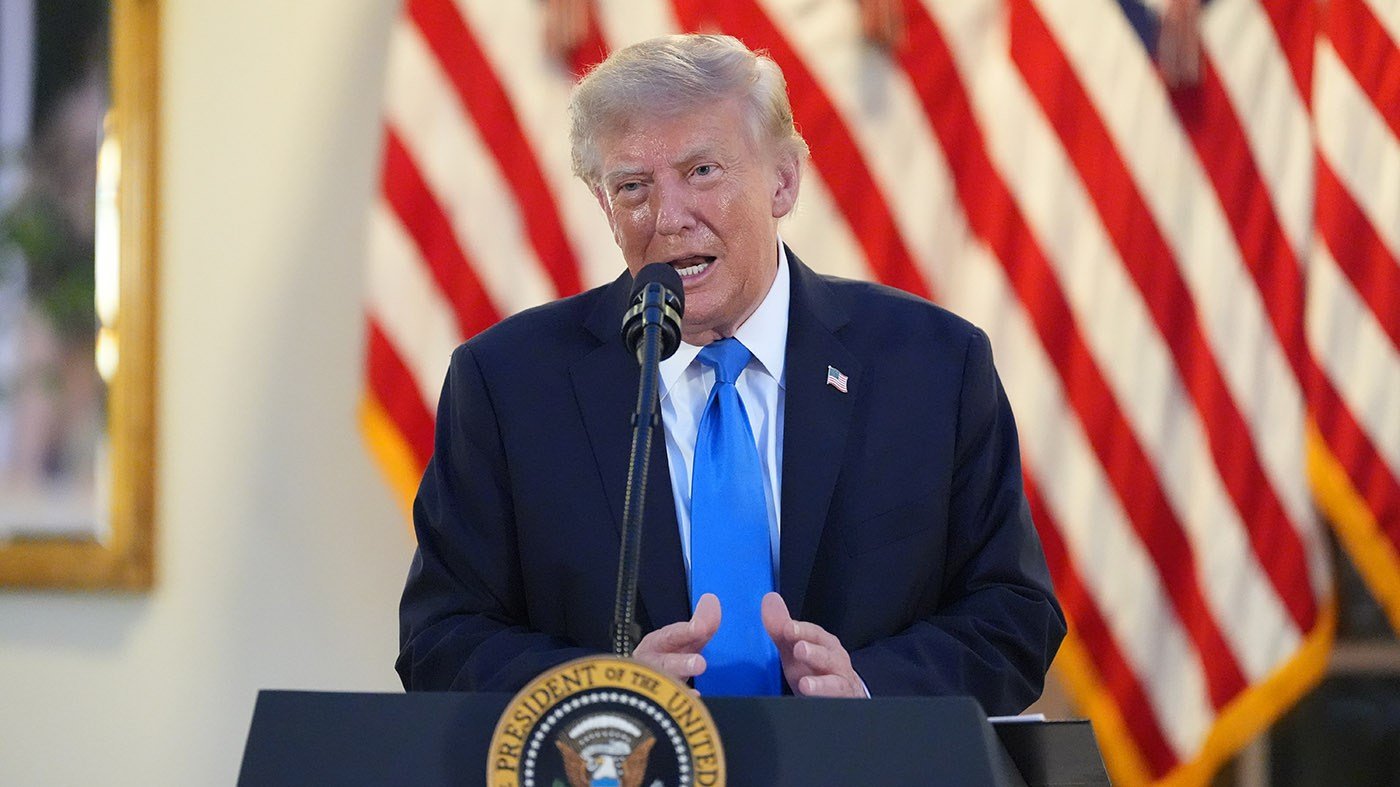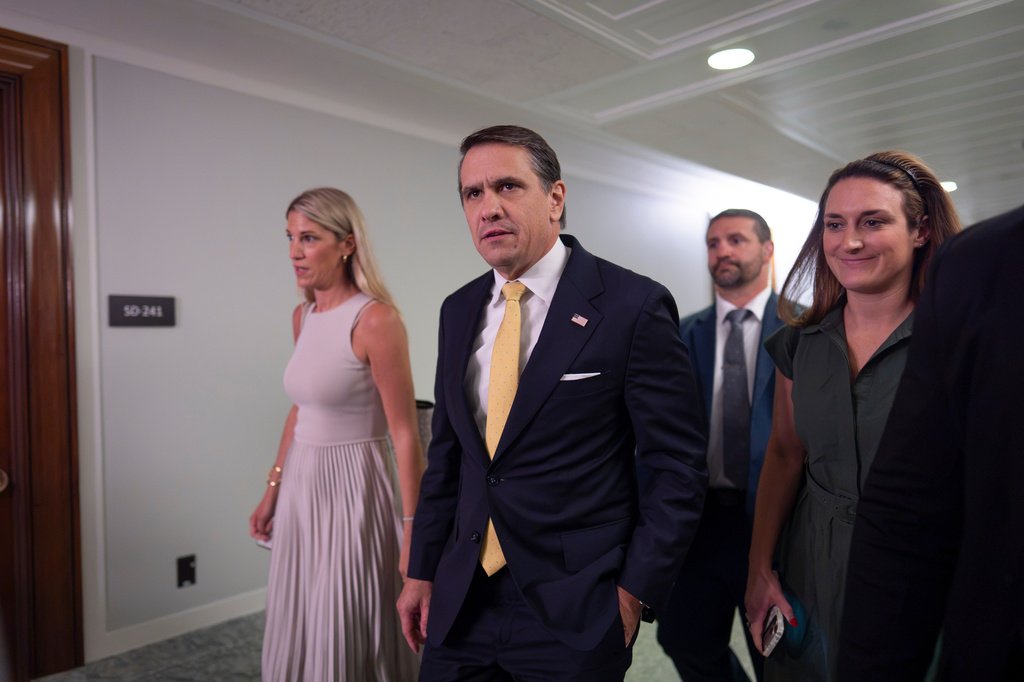
The Senate Judiciary Committee wrapped up two days of hearings last week on Todd Blanche's nomination to be U.S. attorney general, with the central question being whether he would serve the Constitution or former President Donald Trump. Blanche, who served as Trump's personal defense attorney and later as acting attorney general after Pam Bondi's resignation, faced sharp questioning from both parties.
Republican Senators John Cornyn of Texas and Thom Tillis of North Carolina emerged as the most vocal skeptics. Cornyn, who lost his primary to a Trump-backed candidate, and Tillis, who is retiring, appeared somewhat reassured by the hearings' end. With the committee split 11-10 after the death of Senator Lindsey Graham, a single GOP defection could block the nomination until Graham's seat is filled.
Blanche's past as Trump's lawyer for less than two years was a flashpoint. He told the committee that service does not define his career, adding, "I am his lawyer," before quickly correcting himself: "I was his lawyer." The slip underscored the tension, as the attorney general is statutorily the president's chief legal adviser under the Judiciary Act of 1789, tasked with prosecuting federal suits and advising the president on legal questions.
The confirmation process, rooted in the Constitution's appointments clause, has expanded dramatically since 1789. By 2020, 1,118 positions required Senate approval, including 218 at the Justice Department alone, according to the Office of Personnel Management. That department has been a flashpoint for controversy, from the Palmer Raids under A. Mitchell Palmer to the Teapot Dome scandal involving Harry Daugherty and Watergate under John Mitchell.
Blanche's nomination arrives amid broader scrutiny of the Justice Department's independence. Recent controversies include the Trump administration's firing of a Seattle U.S. attorney and Epstein survivors lobbying the Senate to block Blanche's bid. The New York City Bar Association has declared Blanche "unfit" for the role, while former DOJ staff urged the Senate to reject him.
Tillis has conditioned his vote on Blanche meeting with Epstein victims, a signal of the political tightrope the nominee must walk. The hearings also touched on the department's role in high-profile cases, including the E. Jean Carroll payout from Trump, highlighting the stakes for Blanche's confirmation.
Alexander Hamilton wrote in Federalist 76 that Senate concurrence in appointments would check presidential favoritism and prevent the appointment of unfit characters. That principle is being tested as Blanche seeks to reassure lawmakers that he will prioritize America's interests over his former client's.