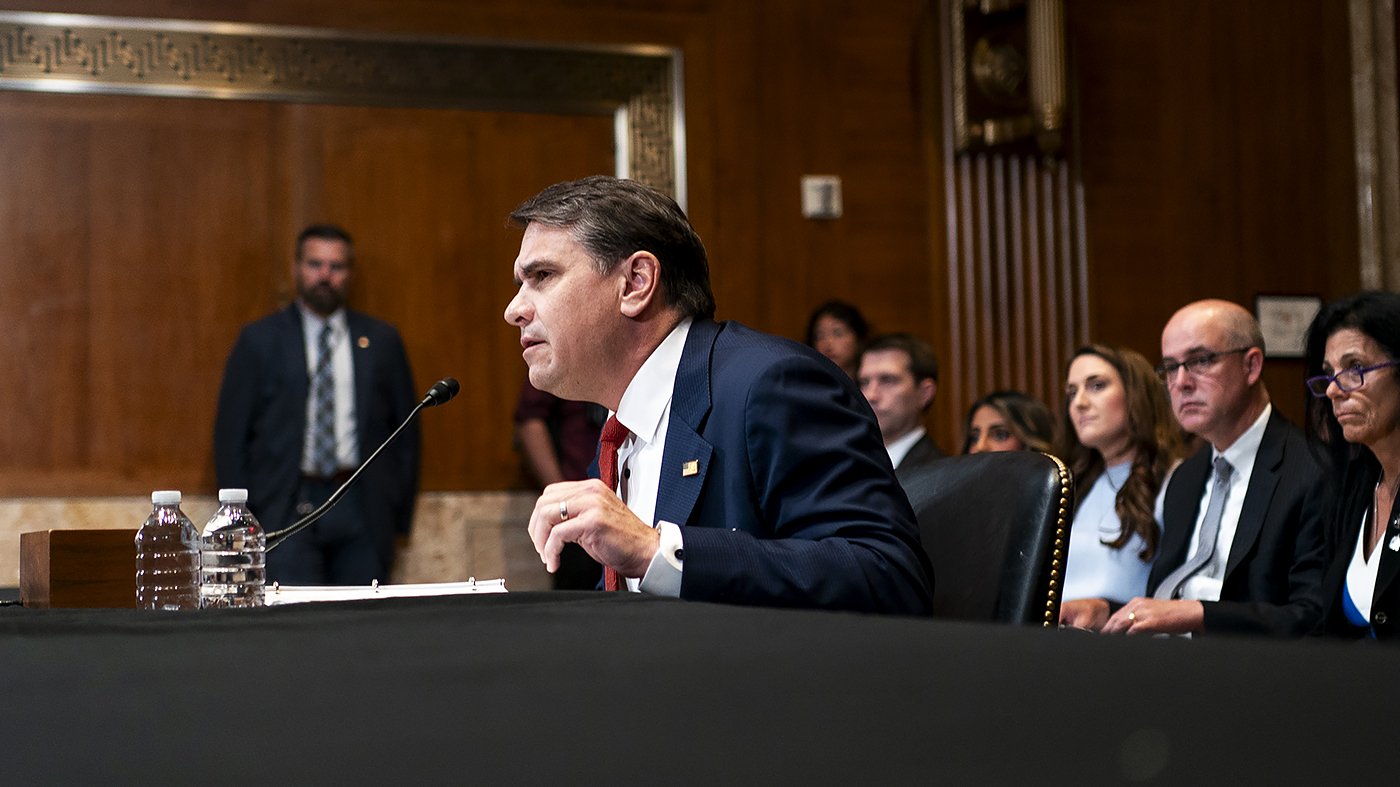
Acting Attorney General Todd Blanche faced a contentious Senate hearing Tuesday, forced to defend the Justice Department's new $1.776 billion 'anti-weaponization' fund—a pot of money he acknowledged could be tapped by Trump campaign donors and individuals convicted of attacking police officers.
Appearing before a Senate Appropriations subcommittee for a routine budget hearing, Blanche quickly found himself fielding sharp questions from both Democrats and Republicans about the fund, announced Monday as part of a settlement stemming from President Trump's dropped $10 billion lawsuit against the IRS. The agreement allows Trump to sidestep a federal judge who had questioned whether the parties were truly adversarial.
Democrats led the charge, with Sen. Jack Reed (D-R.I.) branding Blanche 'the president’s consigliore' and accusing the administration of an 'obvious abuse of power.' Sen. Patty Murray (D-Wash.) said lawmakers were 'really, really angry,' describing the fund as 'nothing short of the sitting president of the United States looting from the treasury for his own gain.' She added, 'This is corruption that has never been more blatant.'
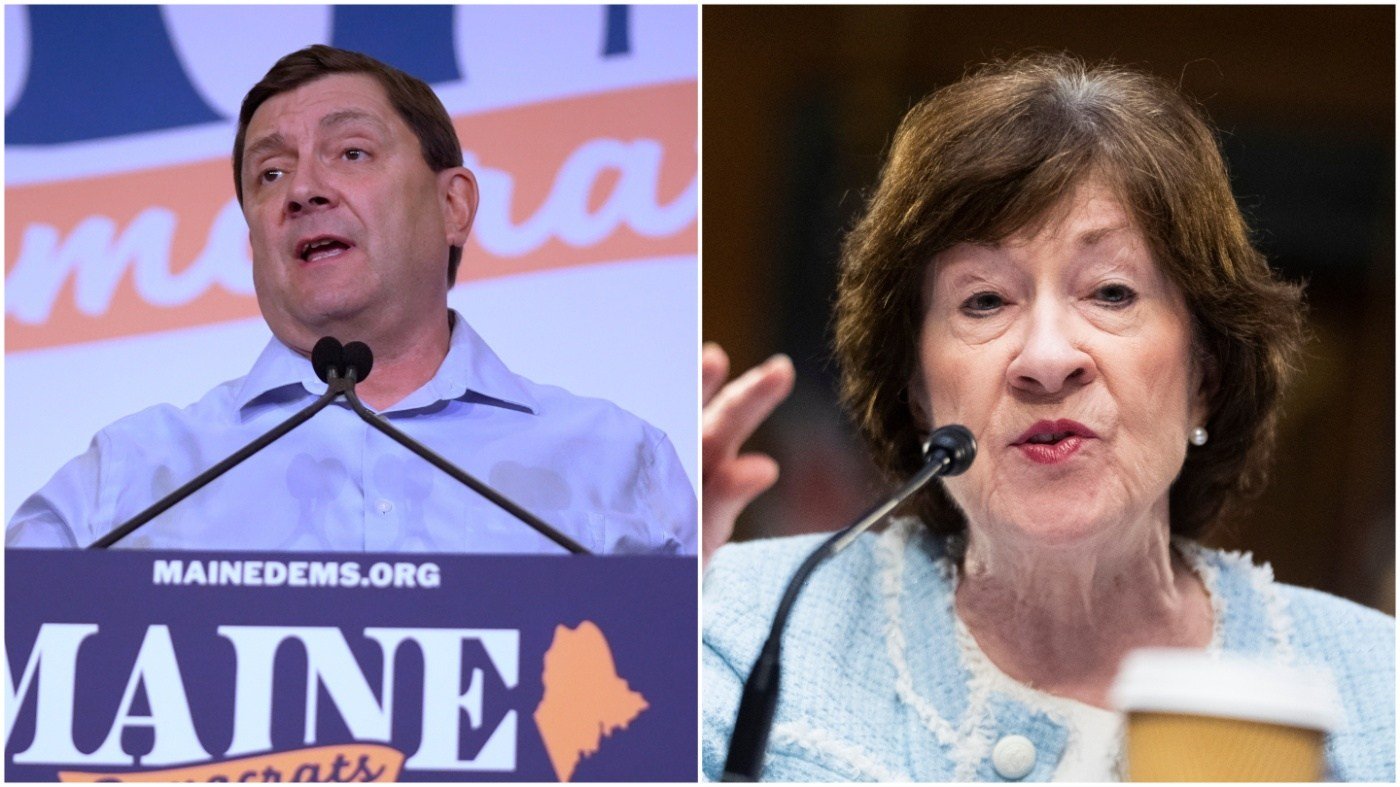
Senate Appropriations Chair Susan Collins (R-Maine) and subcommittee Chair Jerry Moran (R-Kansas) also pressed for details. Collins noted that settlements typically compensate past litigation, not 'future claims that have yet to be brought.' Blanche called the fund 'unusual but not unprecedented' and insisted it is 'not limited to Republicans' or any specific group, including Jan. 6 defendants or former special counsel Jack Smith.
Under questioning, Blanche revealed that the fund is open to 'anybody in this country' who claims they were a victim of government weaponization. He refused to exclude campaign donors or Oath Keepers, telling Sen. Chris Coons (D-Del.) that 'campaign donors are not excluded from seeking compensation.' When asked about barring those who attacked police—a category covering many Jan. 6 rioters—Blanche said he would 'encourage the commissioners to take everything into account' but would not commit to a ban.
The exchange grew heated with Sen. Jeff Merkley (D-Ore.), who accused Blanche of finding such behavior 'acceptable.' Blanche pushed back: 'My feelings don’t matter, senator. My mind is not limiting to say yes, I will commit to this or that.' He stressed that five commissioners he will appoint will set the rules, and any unspent money at the end of Trump’s term would revert to federal coffers.
The fund stems from Trump’s settlement with his own IRS, a move that bypassed judicial scrutiny. Blanche argued that the list of potential beneficiaries could even include Hunter Biden, who was pardoned by his father after gun and tax convictions. 'President Trump isn’t taking a dime,' Blanche added.
The hearing underscored deep bipartisan unease over the fund’s structure and intent. For more context, see our coverage of Blanche opening the fund to all comers and the Senate grilling over the $1.8B fund for Trump allies. As Blanche refused to commit to guardrails, Democrats vowed to keep pressure on the administration.