The House is on track to lose more than a dozen Black lawmakers from both parties in 2027, reversing historic representation gains made just two years ago. The Supreme Court's April decision to weaken the Voting Rights Act has been a key factor, enabling states to redraw districts without considering race, which has disproportionately affected Black Democratic incumbents in the South.
This erosion stems from a rare convergence of mid-decade redistricting, retirements, and bids for higher office. On the Democratic side, Black lawmakers like Rep. Al Green of Texas saw their districts dismantled by GOP-led redistricting, leading to member-on-member primaries. Green lost to fellow Democrat Marc Menefee in a runoff, while others like Reps. Emanuel Cleaver (Mo.), Shomari Figures (Ala.), and Cleo Fields (La.) face tough reelection fights in November. Rep. Jasmine Crockett left her seat for an unsuccessful Texas Senate bid, and Rep. Marc Veasey retired.
Former Rep. Colin Allred (D-Texas), who is Black and expected to return to Congress, called the Supreme Court's ruling in Louisiana v. Callais one of the most disastrous for Black political representation in modern history. Patrice Willoughby of the NAACP described the moment as a third Reconstruction, highlighting the gravity of the losses.
On the Republican side, the exodus is framed differently. Rep. Burgess Owens of Utah is leaving after court-ordered redistricting reduced GOP-favored seats, while Reps. Wesley Hunt (Texas), Byron Donalds (Fla.), and John James (Mich.) are running for higher office. Hunt lost his Senate primary, but Donalds and James are strong contenders for governor in their states. Donalds argued these moves are healthy, noting members are choosing not to stay in Congress indefinitely.
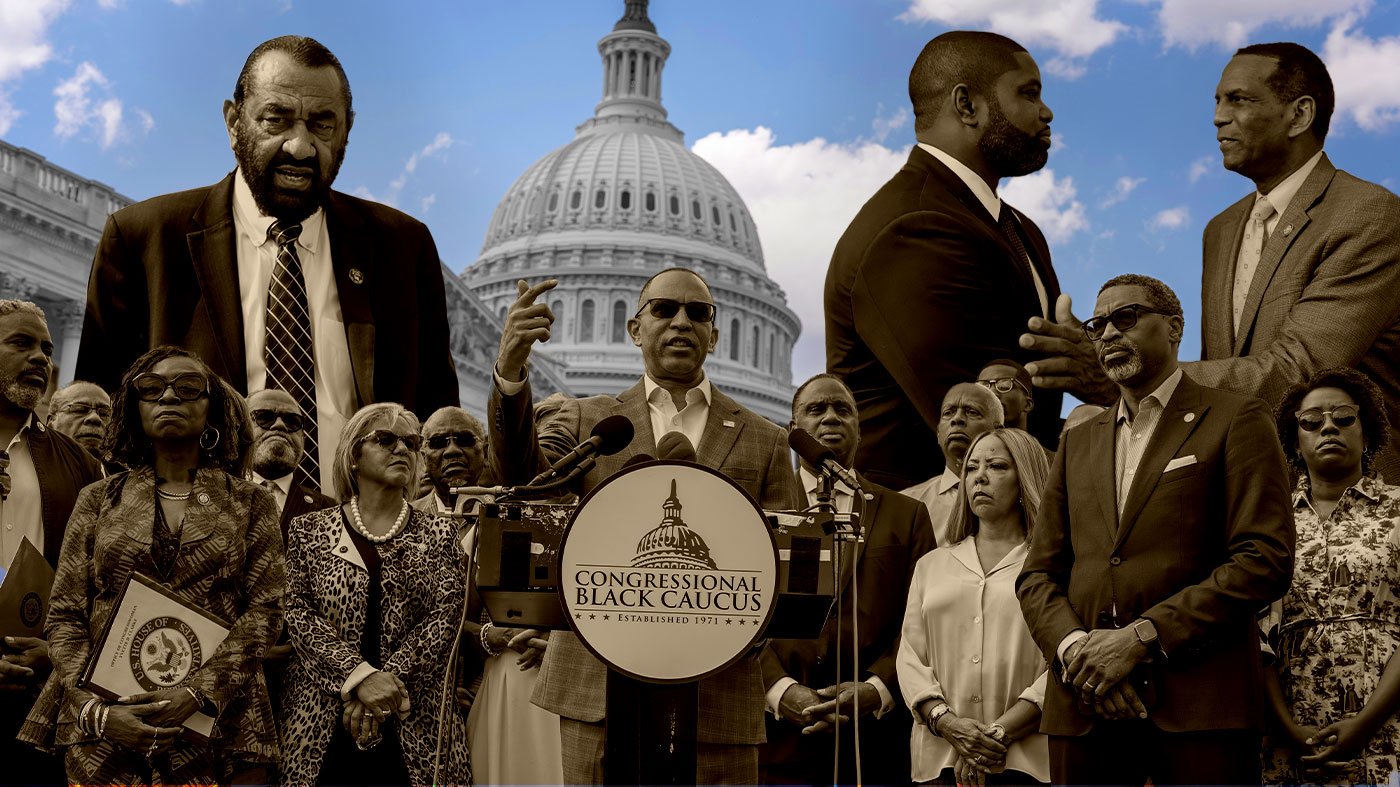
Democrats are sounding alarms. The Congressional Black Caucus warned that a third of its members are at risk due to GOP-led redistricting. Allred stressed the need for Black voices in key decisions, saying, 'We need a voice in that room.' House Minority Leader Hakeem Jeffries expressed confidence in flipping the House and fighting gerrymandering, citing plans to pick up seats elsewhere.
Donalds defended the Supreme Court's ruling, arguing racial gerrymandering is unnecessary and pointing to Black Republicans who have won in majority-white districts. The debate underscores a broader clash over representation and voting rights as the 2027 Congress takes shape.