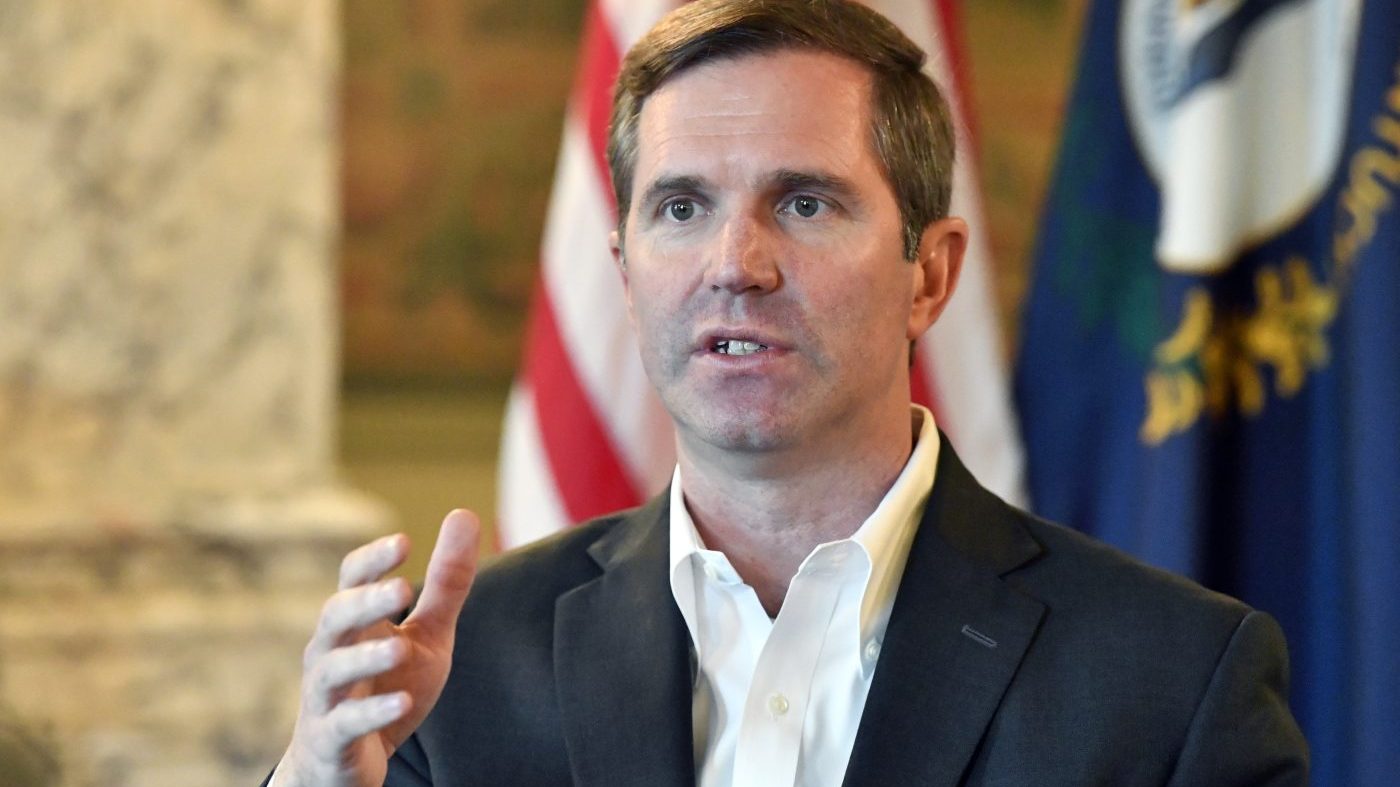
Kentucky Governor Andy Beshear, a Democrat widely viewed as a potential 2028 presidential contender, made clear Tuesday that he opposes any effort to oust Democratic National Committee Chair Ken Martin before the midterm elections. In an interview with CNN's Kaitlan Collins, Beshear said such a move “would put far too much at risk” with just 100 days left until Election Day.
“Ken Martin is going to be the leader of the DNC in the very least through these elections,” Beshear, who also chairs the Democratic Governors Association, told Collins. “We are 100 days out, and the idea that we would change or have a new election when we have elections coming up would put far too much at risk.” His comments come amid growing frustration within the party over Martin's leadership, including a reported incident where he threw a phone near an aide's desk, prompting a human resources complaint, as detailed by The New York Times.
The DNC's financial position has also drawn scrutiny. Recent federal filings show the Republican National Committee holds nearly $130 million in cash reserves, while the DNC is roughly $2 million in debt. That disparity has fueled unease among some Democrats who worry the party is at a structural disadvantage heading into the midterms. Beshear’s comments, however, suggest party leadership is prioritizing stability over a disruptive leadership change.
“The idea that we would change or have a new election when we have elections coming up would put far too much at risk,” Beshear reiterated, emphasizing the need for unity. His stance aligns with most Democratic officials who have stopped short of calling for Martin's resignation, even as a handful of voices have urged him to step aside.
Martin and his allies have pushed back against the criticism, pointing to record fundraising numbers. In a recent Substack post, Martin wrote: “The current DNC has already raised $117.3 million from grassroots donors, surpassing the $101.3 million raised from grassroots across the entire 2017–2018 cycle — with six months still remaining in 2026.” Despite this, the DNC's debt and leadership questions have raised alarm among some Democrats about the party's readiness for the midterms.
Beshear's defense of Martin appears conditional: he framed the chair's tenure as extending “at least through these elections,” leaving open the possibility that Martin could face renewed pressure to resign after November. For now, the governor's intervention may help quell internal rebellion, but it does not resolve the underlying tensions about the DNC's strategy and finances.
The midterm landscape remains challenging for Democrats, who are aiming to flip both chambers of Congress. With the RNC enjoying a significant cash advantage and the DNC grappling with internal discord, Beshear's call for stability reflects a broader calculation: that a leadership vacuum now could prove more damaging than sticking with the current chair, despite his missteps. Whether that gamble pays off will become clearer as Election Day approaches.