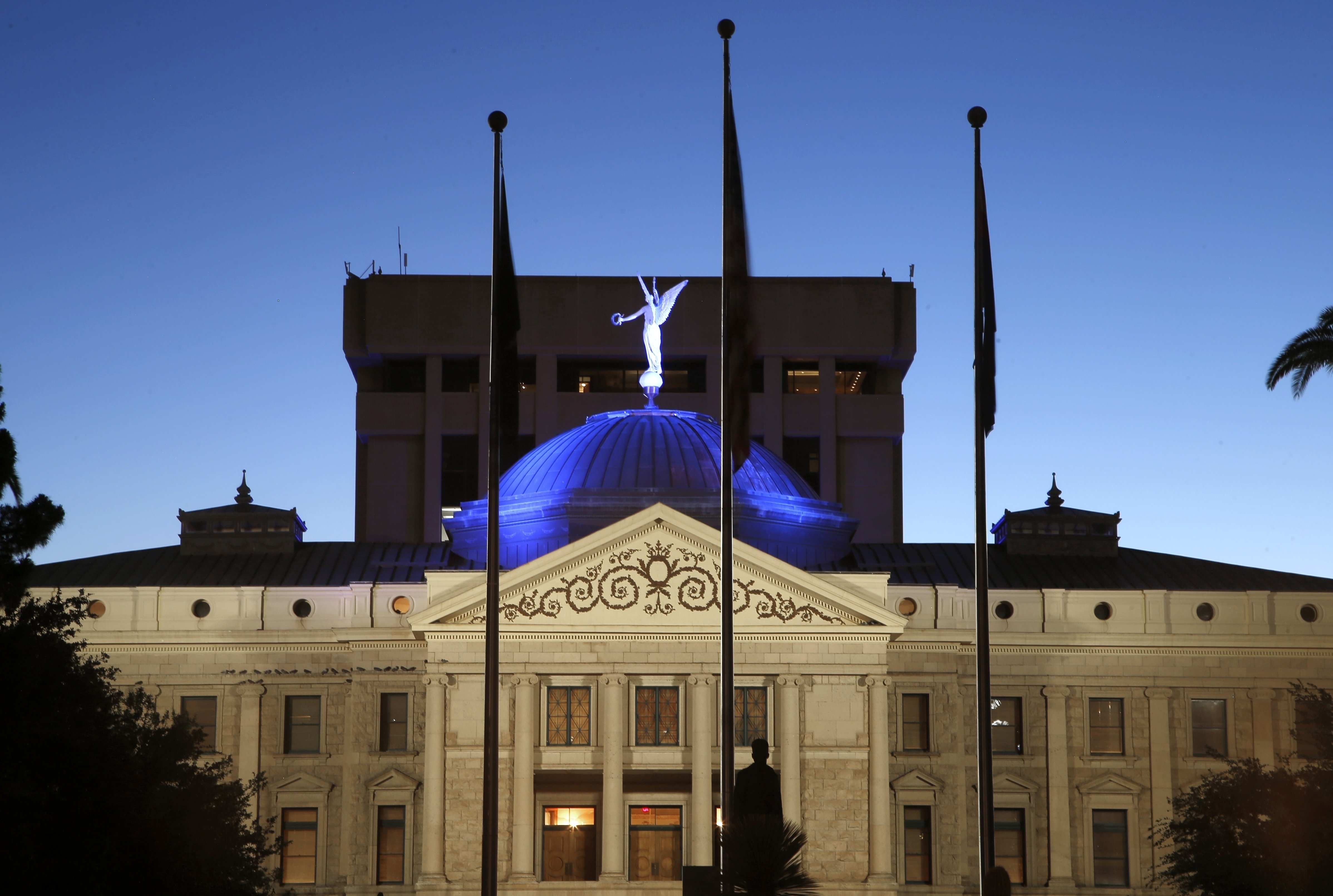
Arizona Republicans are casting ballots Tuesday in a primary election that will determine who takes on Democratic Governor Katie Hobbs in November. The race pits two sitting congressmen—Rep. Andy Biggs, endorsed by former President Donald Trump, and Rep. David Schweikert—against each other, along with businessmen Scott Neely and Ken Micelli.
Hobbs, who is running unopposed for the Democratic nomination, narrowly defeated Trump-backed Republican Kari Lake in the 2022 general election by a razor-thin margin of 50.32 percent to 49.65 percent. That contest drew national attention as a bellwether for swing-state politics and election integrity debates. The rematch this year is shaping up to be equally competitive, with the GOP primary serving as a proxy for internal party divisions.
Biggs, a conservative firebrand and member of the House Freedom Caucus, has positioned himself as a staunch Trump ally, echoing the former president's claims of a "rigged system" that some analysts argue is losing traction with voters. Schweikert, a more moderate Republican, has focused on fiscal policy and border security, but faces questions about past ethics issues. The primary outcome will signal whether the GOP base prioritizes ideological purity or electability in a state where independent voters play a decisive role.
The stakes extend beyond the governor's mansion. Control of the Arizona statehouse and congressional seats are also on the line, with the governor's race influencing down-ballot turnout. Hobbs, who has governed as a pragmatic centrist, has touted her administration's handling of water rights and education funding, but faces criticism over immigration enforcement and rising housing costs. Her campaign has already pivoted to attack the eventual GOP nominee, framing the primary as a choice between "extreme" and "mainstream" Republicanism.
Polls close at 10 p.m. EDT, and early returns are expected to show a tight contest between Biggs and Schweikert. The winner will inherit a party still grappling with the fallout from Lake's narrow loss and ongoing legal battles over election procedures. Meanwhile, national Republicans see Arizona as a pickup opportunity, given the state's recent shift toward Democratic candidates in federal races.
For Hobbs, the primary offers a chance to define her opponent before the general election campaign fully heats up. Her team has already begun airing ads linking Biggs to controversial House votes and Schweikert to ethics scandals. The Democratic Governor's Association has also signaled it will invest heavily in the race, given Arizona's status as a presidential battleground.
Independent voters, who make up roughly a third of the electorate, will likely decide the general election. Both Republicans have courted them with appeals to fiscal responsibility and border security, but Hobbs' moderate record could peel off swing voters. The primary results will provide an early gauge of whether the GOP can unite after a divisive nominating process.
As votes are counted, attention will also turn to other key races, including the Arizona primary preview that examines Trump's influence and the fight for House control. The outcome could reshape the state's political landscape for years to come.