The recent spate of cyber outages has rattled the nation, prompting cable news to speculate wildly and preppers to tout off-grid survival. But the disruptions—including the first FAA national ground stop since 9/11, Microsoft service failures, a United Airlines system glitch, and even an NSA internal network outage—have raised a more fundamental question: is technology actually making us safer?
As The New York Times and The Washington Post both warned, these incidents may be just the beginning, with AI poised to introduce even more chaos. Yet, amid the panic-buying at Costco and the fear of losing modern conveniences, one former official is proposing a radical solution: build retro, analog towns that are immune to cyberattacks.
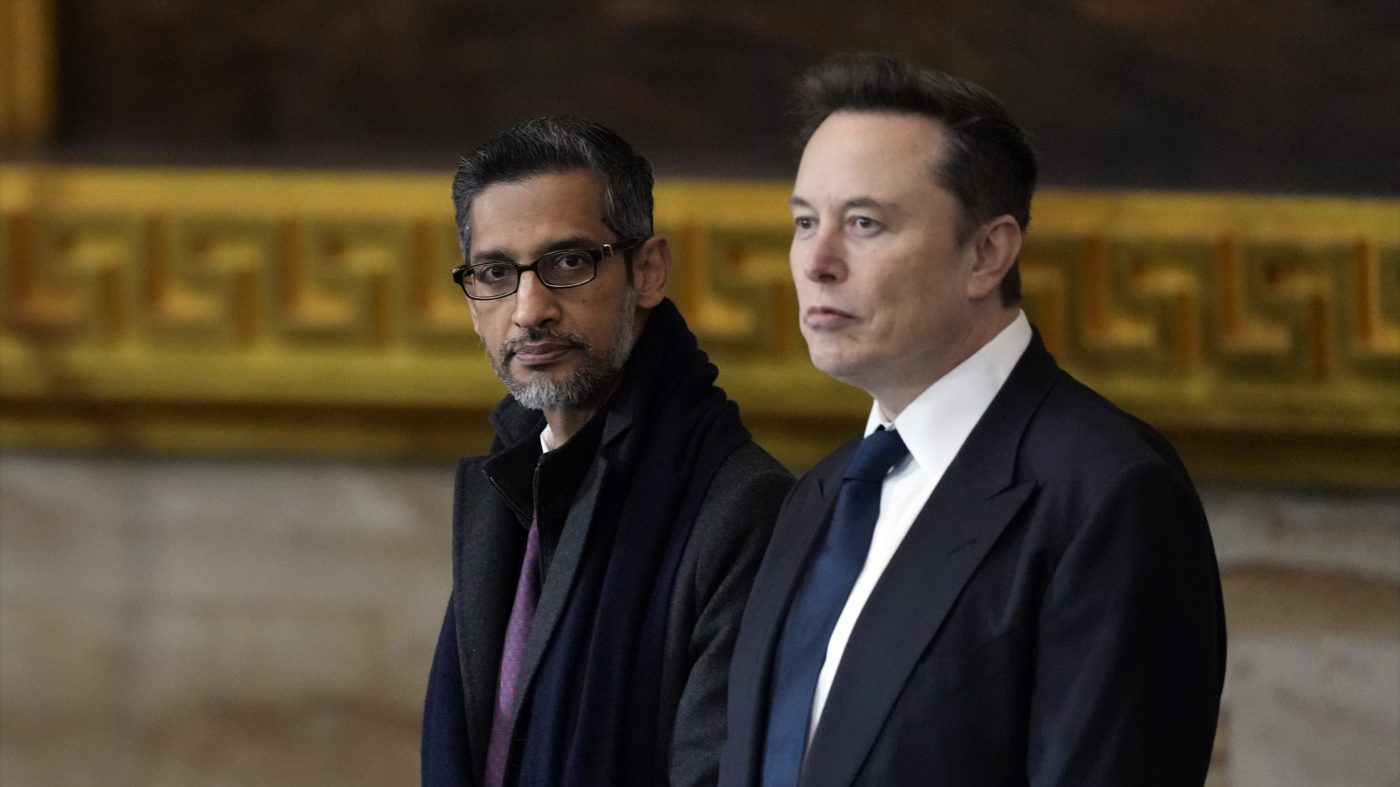
Douglas MacKinnon, a former White House and Pentagon official, argues that the very technologies meant to simplify our lives have become our Achilles' heel. He points to the Thanksgiving week outages as a stark reminder that our reliance on interconnected systems leaves us vulnerable to cascading failures.
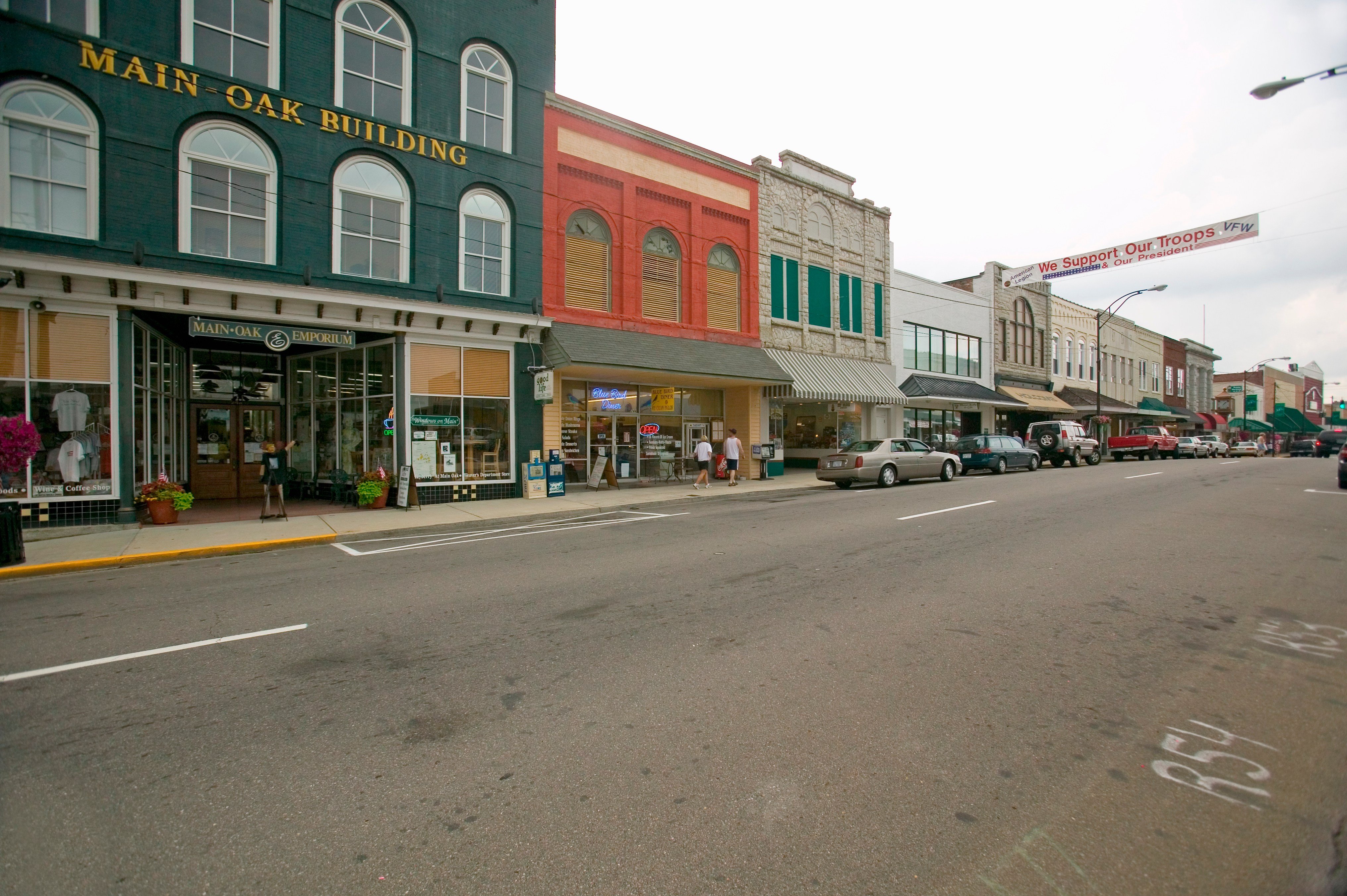
MacKinnon suggests that billionaires like Elon Musk, Jeff Bezos, and Ken Griffin could fund the creation of 'unhackable' communities modeled on 1950s America. These towns would feature physical banks, landline phones, and internal combustion engines—technologies that cybercriminals cannot remotely compromise.
This concept, which some cybersecurity experts call 'security by antiquity,' is gaining traction as a pragmatic alternative to the endless cycle of adopting new tech and then patching its vulnerabilities. Fast Company recently noted that CEOs and government leaders fear falling behind if they don't embrace the latest innovations, but the recent outages suggest that rushing to adopt can be equally dangerous.
While building fully functional Mayberry-like towns may seem far-fetched, MacKinnon believes the demand would be immense. He envisions communities where money, energy, water, communication, and food supply are guaranteed and protected from digital threats.
The idea comes amid broader concerns about cyberattacks on critical infrastructure, including food supply chains, and as federal agencies launch task forces to address the growing threat. Some lawmakers are even calling for cyber defenses modeled on Israel's Iron Dome.
In the meantime, MacKinnon suggests we hedge our bets. 'Out with the hackable new and in with the unhackable old,' he writes. 'Retro never sounded so good or so safe.'