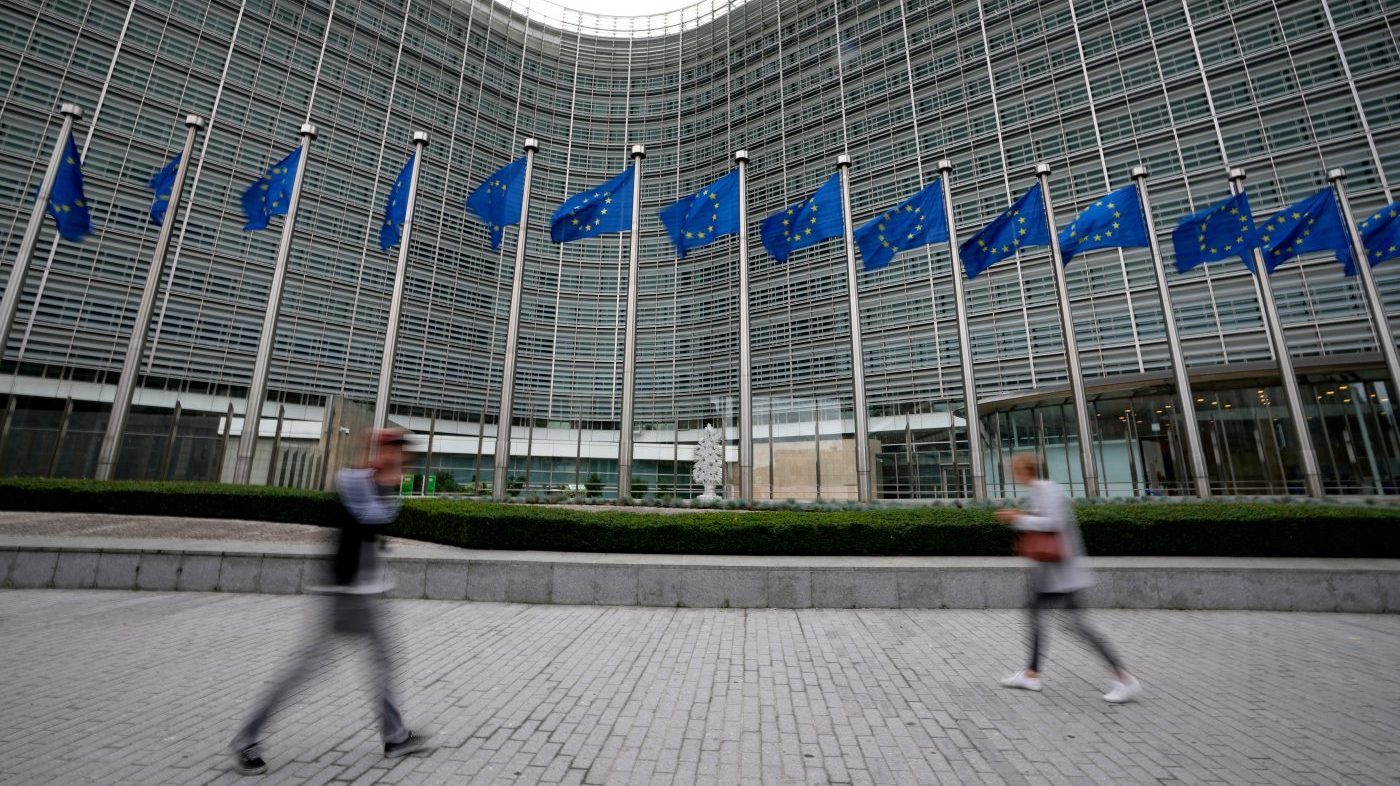
European Union leaders failed once again to strike a deal on the bloc's long-term budget after marathon talks in Brussels collapsed, with a bloc of net-contributor countries walking out in protest over the proposed spending envelope and the way negotiations were being handled. The breakdown leaves the EU's next seven-year financial framework, worth nearly €1.6 trillion, unresolved and in limbo.
European Council President António Costa, who chaired the discussions, had been pushing for a compromise on the Multiannual Financial Framework (MFF) that would run from 2028 to 2034 and cover everything from agricultural subsidies and regional development to defense and external aid. But the walkout by a group of fiscally conservative nations—including Denmark, Austria, Belgium, and Sweden—underscored deep divisions over the budget's size and the allocation of funds.
December talks set, but optimism scarce
Leaders will reconvene in December to try again, but the mood is cautious. Hungarian Prime Minister Peter Magyar wrote on X that “there seems to be little chance of reaching a compromise” at the next session. The budget does not formally need to be approved until the end of 2027, but several leaders had hoped to lock in the framework earlier to avoid political turbulence.
One key driver for speed is the looming change in French leadership. President Emmanuel Macron, who has been a central figure in EU negotiations, is set to leave office, and far-right leader Marine Le Pen is the frontrunner in the presidential race. Le Pen has sharply criticized the push to finalize the budget before the election, calling it an undemocratic maneuver to tie the hands of the next French president.
“Emmanuel Macron is seeking to have the multiannual financial framework signed off at the end of 2026 rather than the end of 2027, to prevent whoever is elected in five months from having a say in it,” Le Pen said on X. “This is undemocratic; whoever is elected next May must be able to retain room for maneuver.”
Ukraine aid remains a sticking point
Beyond the overall size, the debate over where the money goes is equally contentious. The MFF includes some funding for Ukraine, but German Chancellor Friedrich Merz has threatened a veto unless all member states also approve additional, separate aid for Kyiv to bolster its defense against Russia. That demand clashes with the stance of countries like Hungary, Czechia, and Slovakia, which are reluctant to continue funding Ukraine in the fifth year of the war.
Because the budget requires unanimity, any single country can block a deal, giving even the smallest member outsized leverage. The walkout by the frugal bloc—nations that pay more into the EU budget than they receive—highlights their frustration with the negotiation format, which they argue marginalizes their interests.
With talks now pushed to December, the EU faces a race against time to bridge the gaps before the French election reshapes the political landscape. The failure this week underscores the growing difficulty of forging consensus in a bloc of 27 member states with divergent economic interests and geopolitical priorities.