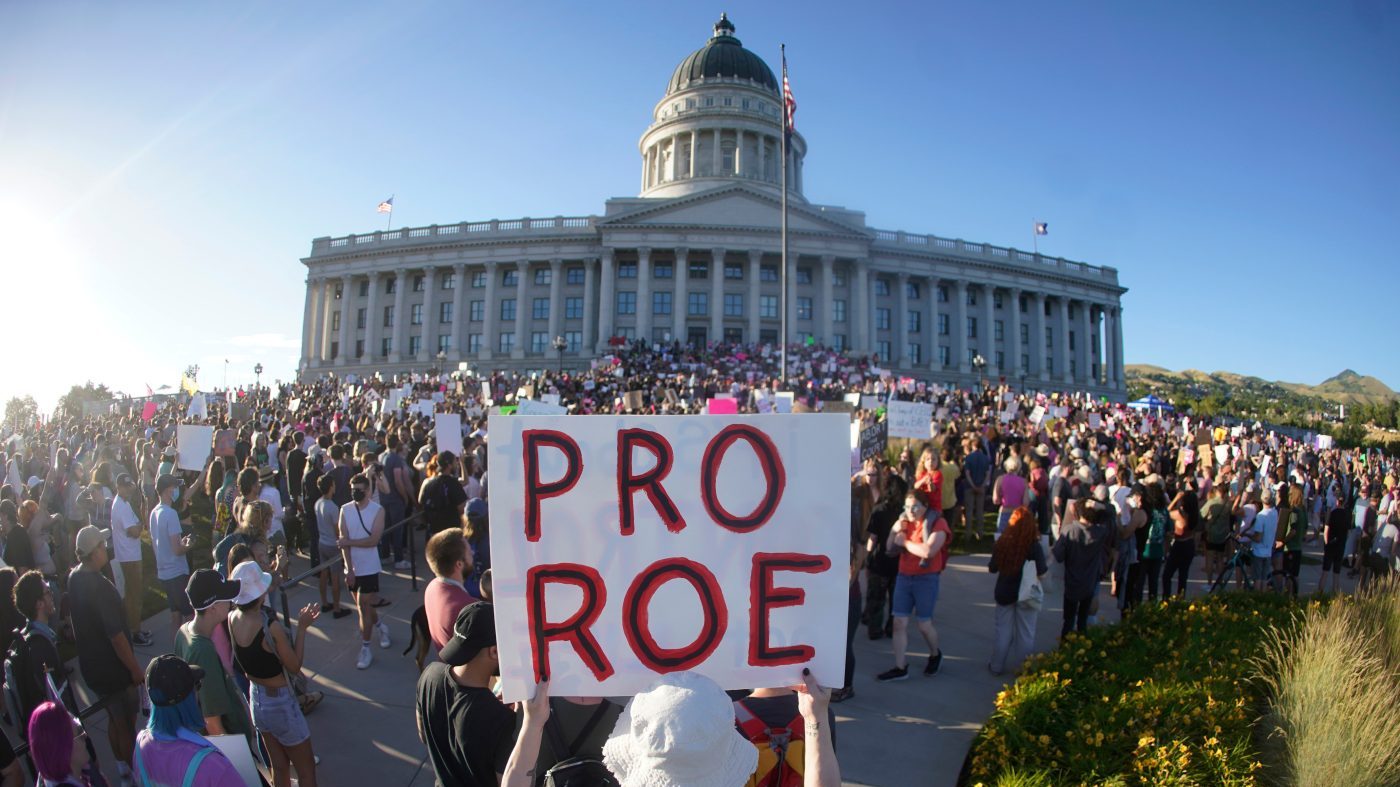
Abortion rights are poised to return to center stage this November, with ballot measures in four states offering Democrats a potential boost—and creating new political headaches for Republicans. The measures, which would enshrine or expand abortion access, could drive turnout in key battlegrounds and reframe the midterm debate.
Lessons from 2022 and 2024
After the Supreme Court overturned Roe v. Wade in 2022, voter fury over abortion restrictions helped Democrats outperform expectations in the midterms. That year, abortion ballot measures in states like Kansas and Michigan drew out progressive voters and split the GOP coalition. But the issue's power waned in 2024, when then-Vice President Kamala Harris lost the White House despite centering her campaign on abortion rights, and Republicans won races even in states with abortion measures. Voters that year prioritized affordability, the economy, and cost-of-living concerns over reproductive rights.

A New Opening
Now, a fresh wave of ballot initiatives is creating what strategists see as a more favorable environment for Democrats. Unlike 2024, when the presidential race overshadowed downballot contests, these measures are expected to lift turnout in Senate and House races, particularly in competitive states like Nevada and Virginia. Abortion rights groups are already pouring resources into these fights, with one organization recently dropping a record $23.5 million to flip GOP House seats. The measures could also force Republican incumbents to take uncomfortable positions, especially in districts where the issue resonates with moderate voters.
“This is a chance to put the GOP on defense again,” said a Democratic strategist familiar with the campaigns. “The economy is still the top issue, but abortion can be the difference in tight races.”
Republican Response
Republicans are not ceding the ground. The party has doubled down on an anti-fraud message as part of its midterm strategy, arguing that ballot measures are vulnerable to manipulation. Meanwhile, the Trump administration’s recent moves—including a controversial website that critics call a backdoor anti-abortion portal—have inflamed tensions. Senate Democrats have blasted that initiative, warning it could mislead women seeking reproductive care.
In states like Nevada, where the ballot measure would codify abortion rights, GOP candidates are treading carefully. Some are emphasizing their support for exceptions in cases of rape, incest, or danger to the mother, while others are focusing on economic messaging to avoid the abortion trap.
Broader Implications
The stakes extend beyond abortion itself. A strong Democratic showing in November could reshape the party’s strategy for 2026 and beyond, proving that reproductive rights remain a potent electoral force. Conversely, if Republicans hold their own despite the measures, it may signal that the economy has permanently eclipsed social issues in voter priorities.
As the midterms approach, all eyes are on how these ballot initiatives play out—and whether they can once again tip the balance in a deeply polarized electorate.