
In a seismic political development, Texas Governor Greg Abbott (R) has conceded the gubernatorial race to Democrat Gina Hinojosa, effectively handing the Lone Star State's highest office to the opposition for the first time in decades. With 80 percent of the vote tallied, Hinojosa holds a commanding lead of roughly eight points, a margin that Abbott acknowledged was insurmountable.
Speaking to supporters late Tuesday night, Abbott struck a conciliatory tone even as the magnitude of the loss sank in. "There are still votes to be counted, but mathematically, we're not going to be able to win this election," he said. "I let Gina know that I would assist her and her team in a period of transition." The concession marks a dramatic reversal for a governor who had been a dominant force in Texas politics and a national conservative figure.
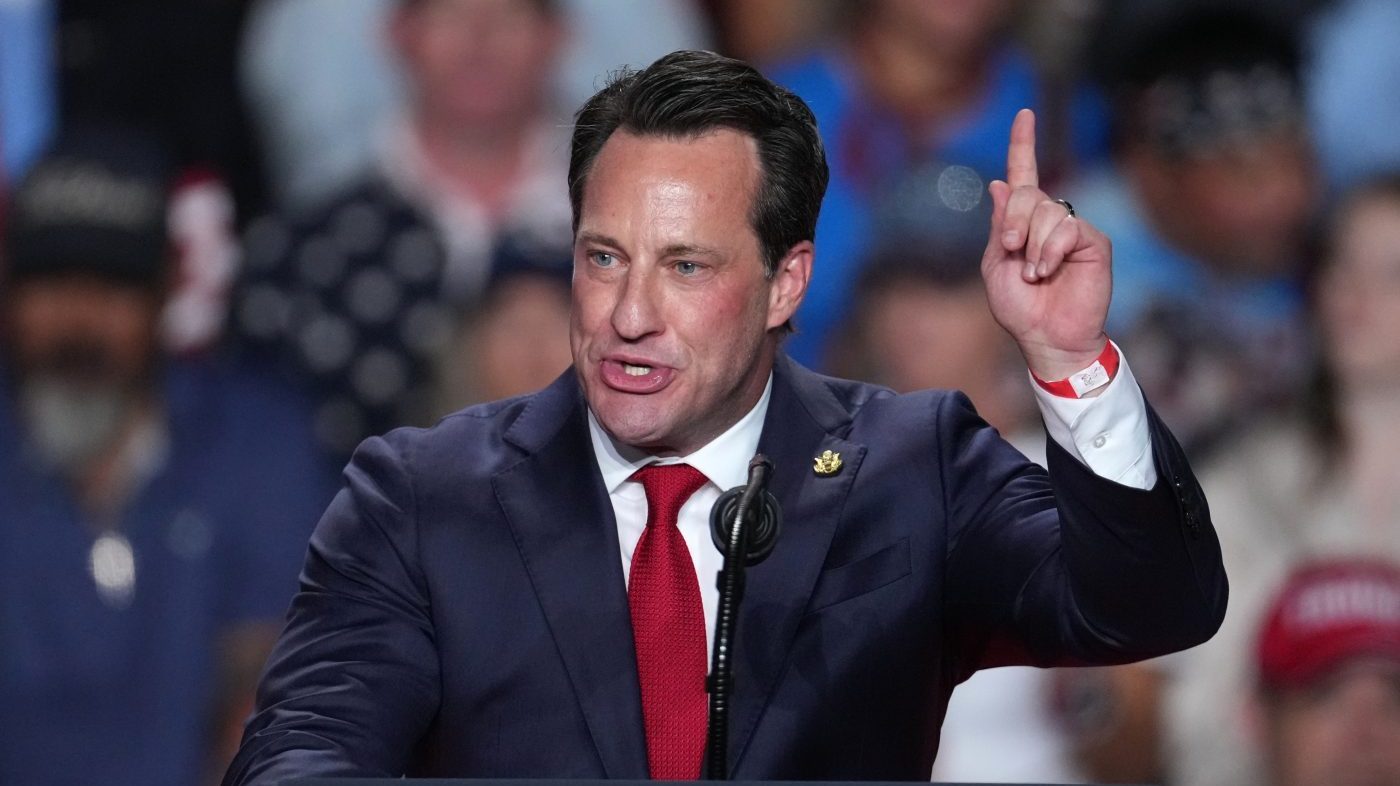
Hinojosa, a state representative from Austin, ran a campaign centered on voting rights, healthcare expansion, and education funding. Her victory is being hailed by Democrats as a watershed moment, signaling a potential realignment in a state that has not elected a Democratic governor since Ann Richards in 1990. The upset also reverberates beyond Texas, as national Democrats see it as a blueprint for competing in traditionally red states.
The race was closely watched as a bellwether for suburban voter shifts and the growing influence of Latino and young voters. Hinojosa's coalition included significant crossover support from moderate Republicans, particularly in suburban areas that have been trending away from the GOP. Her campaign also benefited from a massive grassroots organizing effort and a surge in early voting.
Abbott's defeat is a major blow to the Republican Party, which has relied on Texas as an electoral anchor. The governor's loss is compounded by other Democratic gains across the country, including Democrats seizing the Senate majority, which blunts the national agenda. In Texas, Hinojosa's win is expected to have immediate policy implications, from expanding Medicaid to overhauling the state's election laws.
Political analysts note that Hinojosa's victory could reshape the state's political landscape for years. "This is not just a one-off," said Dr. Elena Ramirez, a political science professor at the University of Texas. "The demographics and suburban shifts have been building for a decade. This is a culmination of that trend." The win also gives Democrats a foothold in a state that controls 38 electoral votes and a large congressional delegation.
Hinojosa's transition team is already preparing for the handover, with a focus on unity and addressing pressing issues like the power grid and border security. In her victory speech, she pledged to be a governor for all Texans, promising to "work across the aisle to deliver results." Her election is part of a broader Democratic wave, as seen in Crowley's historic win in Wisconsin's governor's race and Weiser's projected victory in Colorado, indicating a shifting national mood.
For Republicans, the loss in Texas is a stark warning. "This is a wake-up call," said GOP strategist Mark Thompson. "We can no longer take Texas for granted. The party needs to reassess its message and outreach, especially to suburban women and minority voters." The party's struggles were also evident in other races, with Hobbs securing a second term in Arizona and losses in key House districts.
As the dust settles, all eyes turn to Hinojosa's transition and the policy changes she will implement. Her win is a testament to changing demographics and the power of grassroots mobilization. Texas, once the crown jewel of the Republican South, now stands at the precipice of a new political era.