
A bipartisan coalition of 38 states and the District of Columbia is urging the Supreme Court to take up New Jersey's case against prediction market platforms like Kalshi and Polymarket, arguing that states must retain authority to regulate these products as gambling. In an amicus brief filed Wednesday, the states warned that lower courts are “hopelessly confused and divided” over the issue, creating an urgent need for the justices to step in.
New Jersey petitioned the Court last month, asking it to resolve whether states can enforce their anti-gambling laws against prediction markets that claim to offer federally regulated financial swaps. The justices are expected to consider the petition in a closed-door conference later this term, though they typically reject most requests for review.
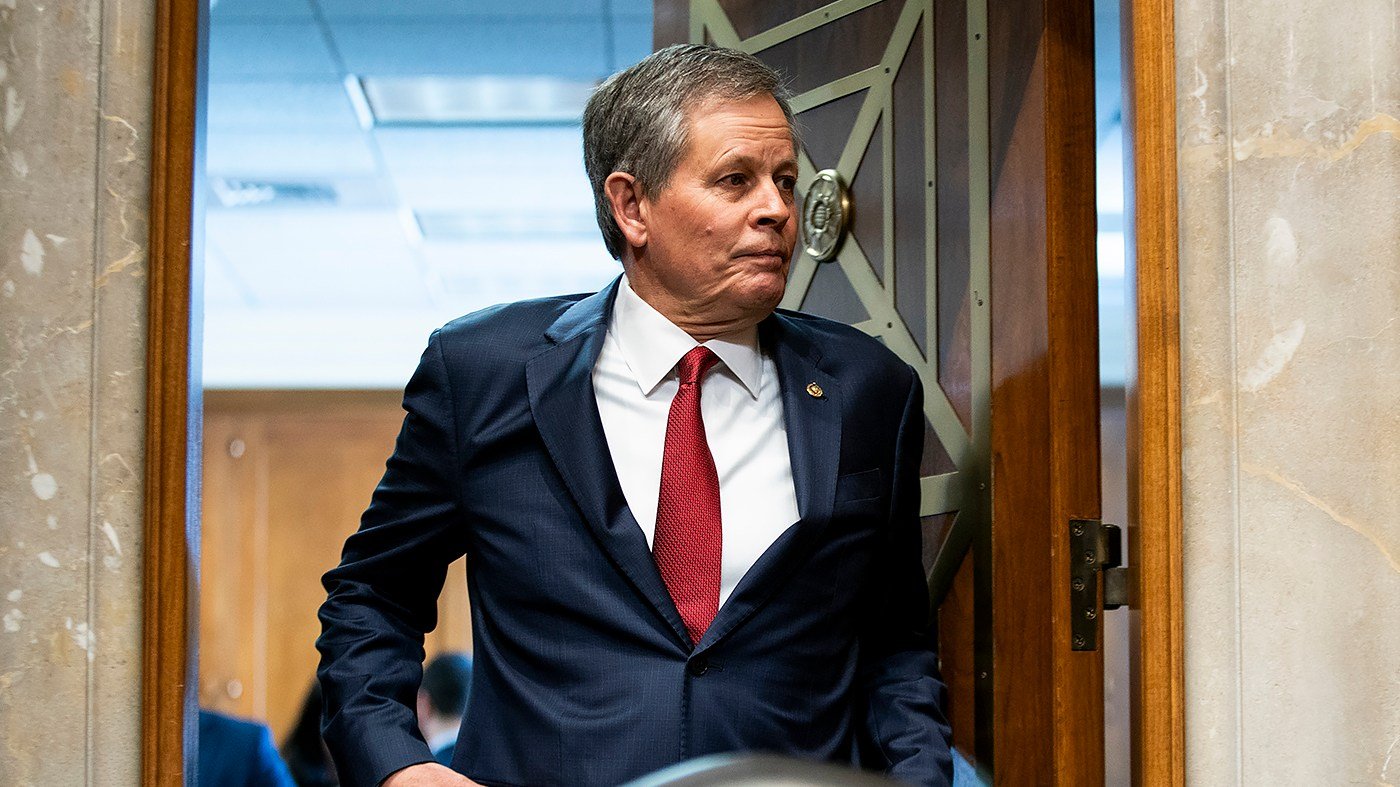
Led by Ohio Attorney General Andy Wilson (R), the coalition argues that prediction markets are attempting to circumvent state sovereignty by relabeling their products. “The prediction markets are wrong,” the brief states. “They cannot strip the States of their core sovereign power through relabeling and window-dressing. Our constitutional structure is much more durable than that.”
At the heart of the dispute is whether platforms like Kalshi should be classified as “swaps” under federal law, which would place them under the jurisdiction of the Commodity Futures Trading Commission (CFTC). The Trump administration has sided with the platforms, arguing that federal oversight should prevail. But the states contend that such a theory would gut their gambling regulations and leave citizens without critical protections.
“That almost all the nation’s States have spoken with one voice on the matter should be enough,” the brief adds, emphasizing the unprecedented level of bipartisan agreement among state attorneys general.
The case stems from a lawsuit Kalshi filed against New Jersey last year, seeking to block the state from enforcing its gambling laws. The company won before the 3rd U.S. Circuit Court of Appeals, contributing to an emerging split among federal appeals courts nationwide. That split is a key reason legal experts say the Supreme Court may be more likely to grant review.
In addition to state support, the National Football League (NFL) has filed its own brief backing New Jersey. The league expressed concerns about whether the CFTC has the resources to ensure prediction markets “do not jeopardize game integrity.” The NFL noted that state gaming authorities have worked with the league for years to establish safeguards, whereas federal oversight remains untested.
“All this stands in stark contrast to state gaming authorities, which have engaged with the NFL for years to establish structural safeguards that provide core integrity protections,” the NFL wrote in its brief filed Thursday.
The Supreme Court’s decision on whether to hear the case could have far-reaching implications for the growing prediction market industry and the balance of power between state and federal regulators. If the Court declines, the current patchwork of rulings will persist, leaving the legality of these platforms uncertain across different circuits. Legal observers note that the Court's recent docket has included immigration detention cases and other federalism disputes, suggesting a willingness to address jurisdictional questions. The outcome could also affect how other emerging technologies are regulated, as seen in debates over AI regulation and legal gaps in digital content.