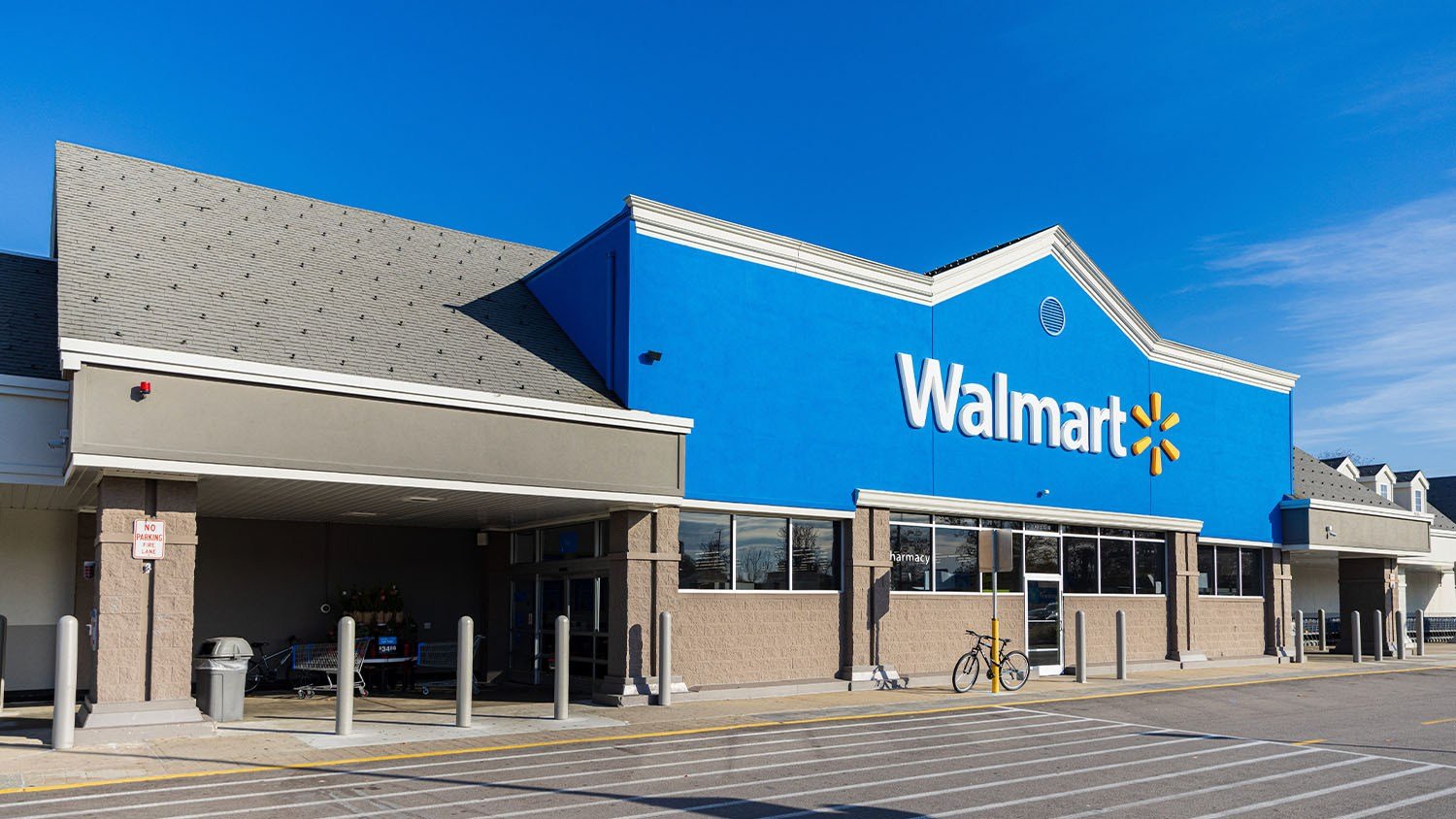
The Justice Department announced Friday that Walmart has agreed to pay $50 million to settle a lawsuit alleging its pharmacies filled hundreds of thousands of illegitimate opioid prescriptions, contributing to the nation's overdose epidemic. The settlement resolves a civil case filed in 2020 that accused the retail giant of neglecting to flag suspicious orders to the Drug Enforcement Administration.
Federal prosecutors said Walmart's compliance team knowingly processed invalid prescriptions from prescribers operating as so-called "pill mills," even after pharmacists raised red flags. Court documents note that over a four-year span, Walmart shipped an estimated 37.5 million controlled-substance orders to its pharmacies but reported only 204 suspicious orders to the DEA—a figure described as "almost none."

As part of the deal, Walmart will establish a hotline for employees and patients to report suspected illegal dispensing, enhance monitoring of pharmacy activity, and create a system to review physicians suspected of improper prescribing. These measures aim to prevent future misconduct and strengthen oversight.
DEA Assistant Administrator Cheri Oz emphasized the broader implications. "This $50 million settlement makes clear that pharmacies have a responsibility to identify and prevent the unlawful dispensing of controlled substances," she said in a statement. "Filling illegitimate opioid prescriptions puts patients and communities at risk and undermines the safeguards designed to prevent the diversion and misuse of potentially addictive medications."
Oz added that the settlement "addresses past conduct while establishing clear compliance obligations designed to strengthen safeguards and help prevent these failures from happening again."
This marks the latest opioid-related legal action for Walmart, the world's largest retailer. In 2022, the company agreed to pay $1.3 billion to resolve thousands of state and local lawsuits over its pharmacy practices. Other major chains have faced similar scrutiny; Kroger, for instance, reached a $1.2 billion settlement in 2023 over its prescription handling.
The Centers for Disease Control and Prevention reports that roughly 806,000 people died from overdoses involving prescription drugs between 1999 and 2023, underscoring the human toll of the crisis. While this settlement is modest compared to Walmart's earlier payouts, it signals continued federal pressure on pharmacies to curb opioid misuse.
Legal experts note that the agreement includes no admission of liability, but the compliance reforms could have lasting effects on how Walmart and other retailers monitor controlled substances. The DEA's active role in negotiating such terms reflects a broader push to hold corporate actors accountable in the opioid epidemic.