In the pantheon of American crime, the most lucrative offenders don't wear masks or carry weapons. They wear suits and sign paychecks. Wage theft—the systematic underpayment of workers—now dwarfs every other form of larceny in the country, according to a growing body of economic research.
The Economic Policy Institute estimates that wage theft costs American workers up to $50 billion annually. That figure surpasses the FBI's combined tally for robbery, burglary, larceny, and motor vehicle theft. A separate study by a Northwestern University economist found that more than 50 million workers were paid below the legal minimum at some point between 2010 and 2021, amounting to a staggering $155 billion in lost wages.
The everyday mechanics of theft
The methods are mundane but devastating: forcing employees to work through breaks, skimming tips, or misclassifying workers as independent contractors to dodge overtime and benefits. None of these practices look like a crime in isolation. But multiplied across millions of workers, they constitute a massive, silent transfer of wealth from the working class to corporate bottom lines.
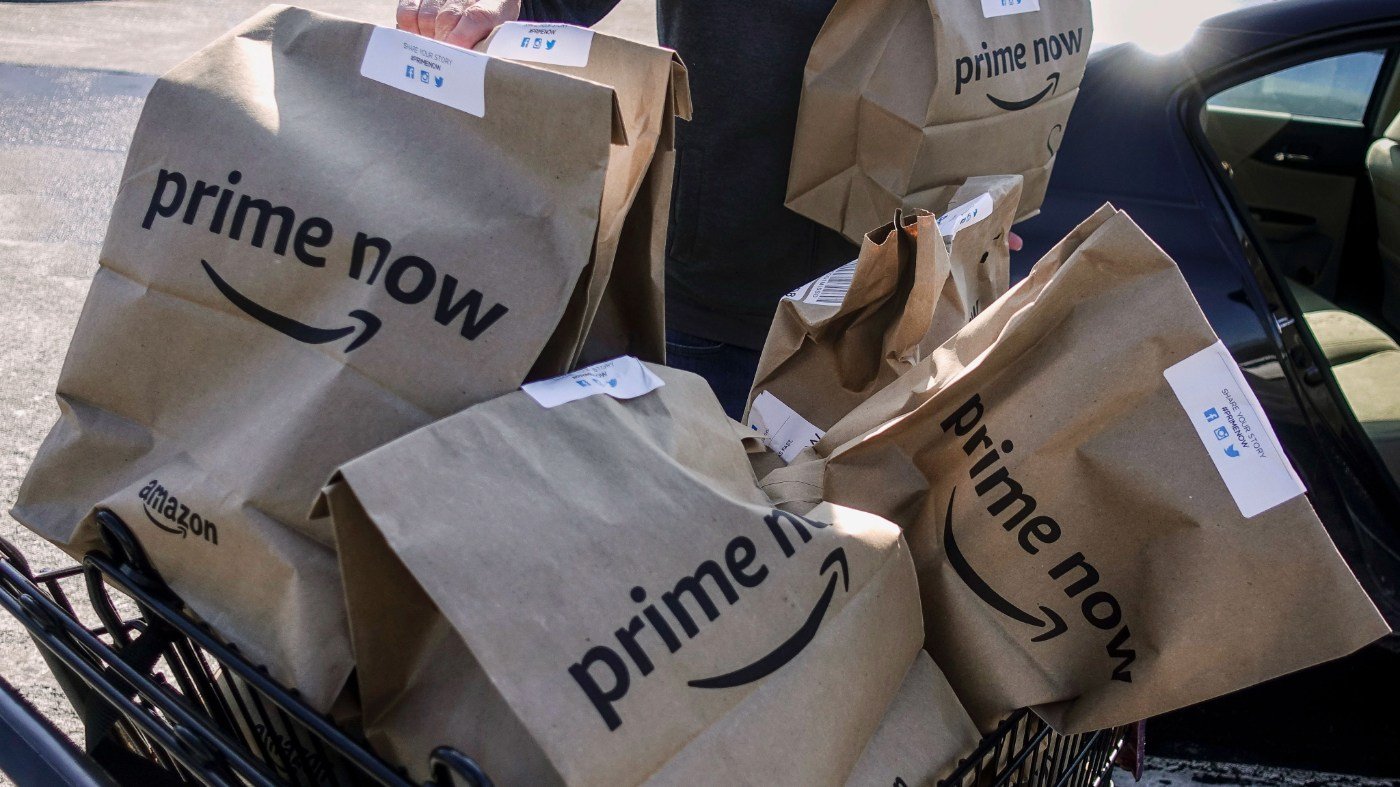
High-profile cases illustrate the scale. In 2026, the Federal Trade Commission and 11 states caught Walmart deceiving nearly 1 million Spark delivery drivers about their base pay, then quietly reducing it after drivers had accepted deliveries. Walmart agreed to a $100 million judgment. Disney, meanwhile, shortchanged theme park workers in Anaheim, California, under the local living wage law for years, eventually paying $233 million to settle.
The financial sector is no exception. Bank of America, Wells Fargo, and JPMorgan Chase—institutions that lecture the public on fiscal responsibility—have collectively paid out hundreds of millions of dollars for underpaying their own staff.
Enforcement is crippled
Millions of workers never report wage theft, fearing retaliation or lacking the documentation to prove it. The culture of silence is reinforced by a legal system that treats employer underpayment as a “payroll discrepancy” rather than a crime. The Fair Labor Standards Act technically provides tools for enforcement, including criminal penalties for willful violations. But the will to use them is missing.
The Wage and Hour Division is now down to roughly one investigator for every 278,000 workers—the lowest staffing level in more than half a century. Four states have no federal investigators at all. The FBI, which meticulously tracks purse snatching and stolen vehicles, has no category for stolen wages. The message is clear: when the victim is the person who earned the money, the crime becomes less serious.
The cost to taxpayers and honest businesses
The Economic Policy Institute reports that federal, state, and local enforcement recovered more than $1.5 billion in stolen wages between 2021 and 2023. That sounds significant until you consider the scale of the problem—it's a fraction of what's actually stolen. The unrecovered billions are effectively subsidized by taxpayers, as underpaid workers turn to food stamps and Medicaid to make ends meet.
Meanwhile, honest employers are undercut by competitors who cheat. And the executives who sign off on these practices continue to collect bonuses for “labor efficiency.” The penalty for getting caught is often smaller than the profit gained from the theft, turning the law into a mere cost of doing business.
Congress has had decades to close this loophole but has repeatedly failed to act. As the political discourse grows increasingly unserious, the plight of workers is overshadowed by partisan theatrics. The midterm distractions and internal GOP squabbles do nothing to address the systemic theft that affects tens of millions of Americans.
Wage theft is not a paperwork glitch. It is the largest ongoing transfer of wealth from working people to those who already have the most. Until penalties match the scale of the crime, the biggest theft in America will continue to happen right under our noses. If America is serious about being tough on crime, it might start by cuffing the thieves who wear cufflinks.