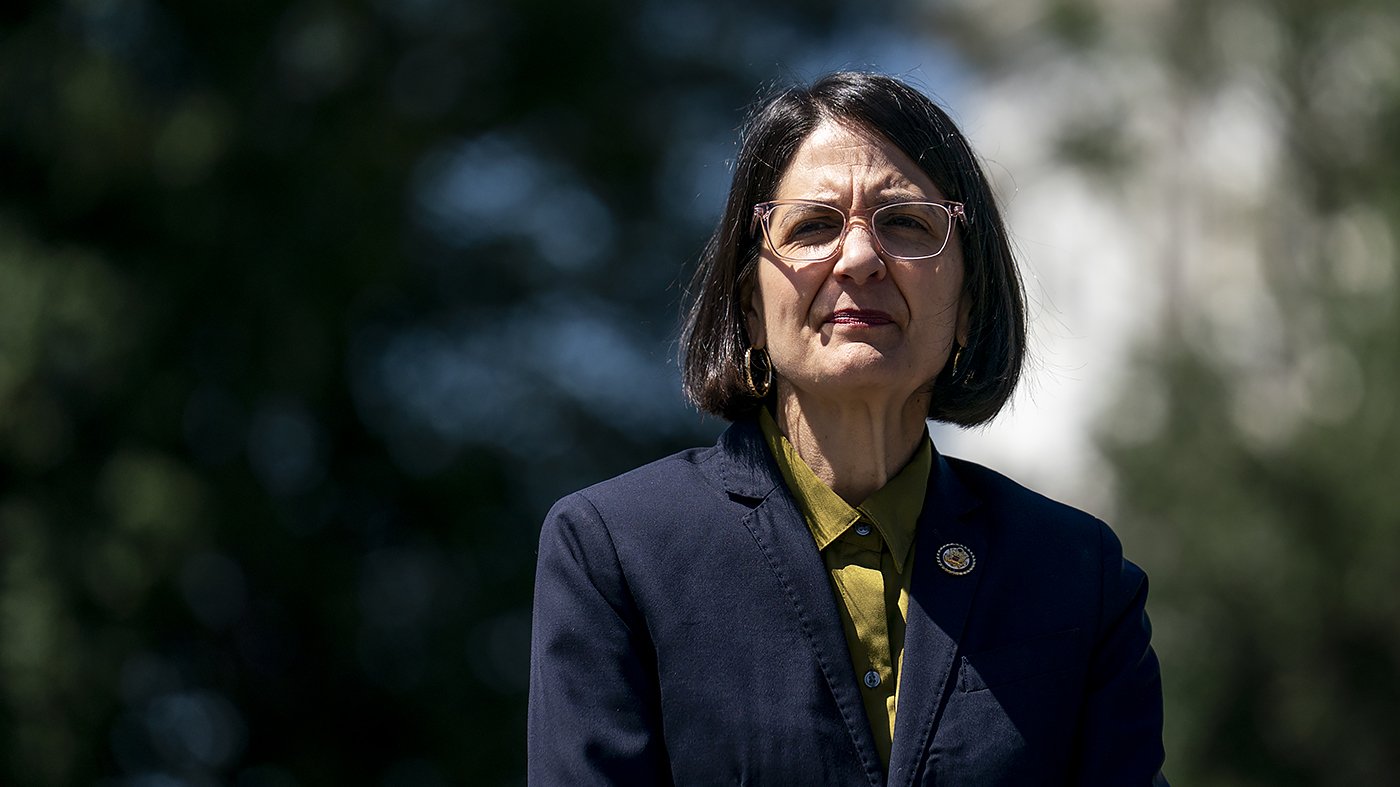
Vermont voters cast ballots Tuesday in the state's House primary, setting the stage for a November contest that will see two-term Democratic incumbent Becca Balint seek a third term. Balint, who has represented the Green Mountain State's at-large congressional district since 2022, faces no challenger for the Democratic nomination, securing her spot on the general election ballot without a primary fight.
On the Republican side, the race is a rematch of sorts, with two familiar names vying for the chance to take on Balint. Gerald Malloy, an Army veteran and former defense contractor, has a history of statewide runs. He previously challenged then-Rep. Peter Welch in the 2022 Senate race that Welch ultimately won, and he also mounted an unsuccessful bid against independent Sen. Bernie Sanders in 2024. Malloy's campaign has emphasized his military background and outsider status, positioning himself as a conservative alternative to the Democratic establishment.
Mark Coester, a small businessman who owns a logging operation, is seeking a rematch against Balint after running against her in the 2024 general election. Coester, who lost that contest by a wide margin, has focused his campaign on economic issues, particularly the challenges facing small businesses and rural communities in Vermont. His logging background gives him a distinct profile in a state where the working-class vote often plays a pivotal role in elections.
The primary comes amid a broader political landscape shaped by recent national debates over policy and governance. As other states hold their own primaries, Vermont's contest highlights the contrasting paths the two major parties are taking in the lead-up to November. While Balint's unopposed status signals Democratic unity, the Republican primary reflects a party still deciding its direction after a series of high-profile losses in the state.
Both GOP candidates have sought to differentiate themselves on issues like federal spending, border security, and energy policy, though their campaigns have remained relatively low-key compared to the national spotlight. Political analysts note that Vermont's at-large House seat is considered safely Democratic, but the primary outcome will determine who carries the Republican banner in what could be a challenging cycle for the party.
Polls closed at 7 p.m. EDT, and results are expected to come in throughout the evening. The race has drawn attention from political observers watching for any signs of shifting voter sentiment in a state that has leaned Democratic in recent presidential elections. As similar primaries unfold across the country, Vermont's results could offer clues about turnout and enthusiasm among key voting blocs.
For Balint, the general election will likely focus on her legislative record, including her work on healthcare and environmental issues, while her Republican opponent will aim to energize conservative voters by highlighting concerns about inflation and government overreach. The contrast in campaign styles and priorities is expected to sharpen as the fall campaign begins.
With the primary nearly wrapped up, both parties now turn their attention to November. The outcome of the GOP race will set the stage for a contest that, while lopsided on paper, could still provide insights into the political mood of Vermont voters ahead of the 2026 midterms.