Seven months after the dramatic capture and extradition of Nicolás Maduro, Venezuela's old authoritarian structures are still casting a long shadow. The interim government under Delcy Rodríguez has made some headway—removing enriched uranium, capturing a Hezbollah operative, eliminating a Tren de Aragua leader, and slowly reviving the oil sector—but the deeper political transformation remains stalled.
Dialogue Without Key Opposition Figure
A fresh round of talks has opened between the interim government and the opposition-aligned National Assembly elected in 2015, but the most prominent opposition leader, María Corina Machado, is not at the table. The discussions, which began after the June 24 earthquake, have focused on disaster response and strengthening democratic institutions. Notably, the release of political prisoners was not on the agenda.
Secretary of State Marco Rubio acknowledged the difficulty, noting that the system has been entrenched for over a quarter-century. He stressed that stabilization is critical to prevent civil war or mass migration, and that Venezuela needs a functioning economy and clear rules for foreign investment. Rubio insisted that a transition is ultimately necessary.
Machado's Conditional Support
Speaking from exile, Machado said she does not oppose the dialogue but warned that after 25 years of talks, results are what matter. She demanded the release of all political prisoners, freedom of expression, dismantling of repressive security forces, and a concrete electoral timetable. She framed the struggle as not about her personally but about the legitimacy of Venezuelans who voted under extreme conditions.
The U.S. Embassy in Caracas welcomed the dialogue as part of a three-phase plan—stabilization, economic recovery, and political reconciliation—leading to democratic elections. The embassy expressed confidence that the process could yield tangible benefits for Venezuelans.
Regime's Tactics Under Scrutiny
Despite these overtures, the regime appears to be making concessions on security, foreign policy, and economics to ease U.S. pressure, while steadfastly refusing to dismantle its coercive apparatus or take real steps toward ceding power. Venezuela's withdrawal from the International Criminal Court, citing bias and sovereignty, is seen as a maneuver to curry favor with Washington and evade accountability for past atrocities.
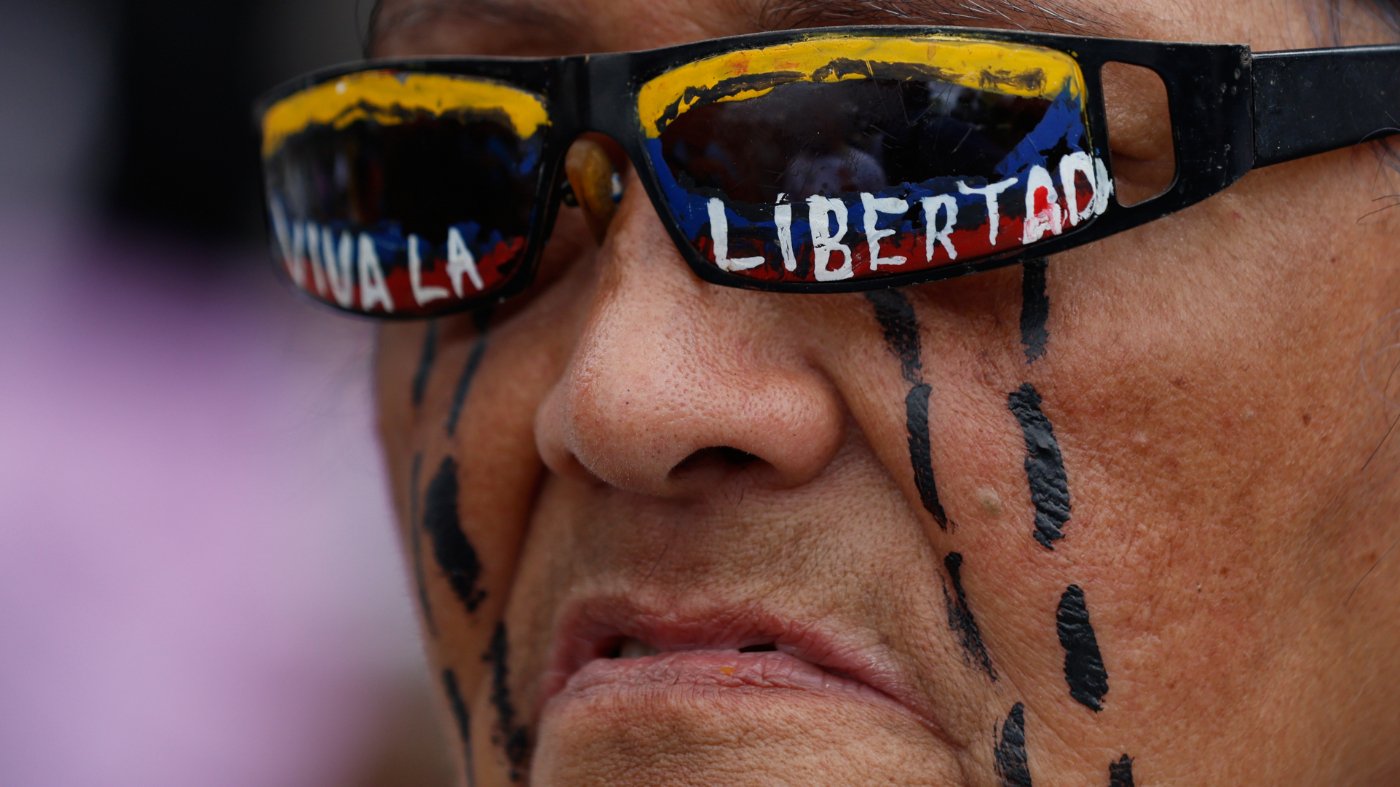
Public opinion reflects deep dissatisfaction: only 23% approve of Rodríguez's performance, while at least 71% hold negative views. The message from Venezuelans is clear—they want genuine change, not cosmetic adjustments.
What Must Happen Next
The Trump administration succeeded in bringing one of Latin America's most brutal dictators to justice; now it must finish the job. That means securing the freedom of all political prisoners, dismantling the repressive system, and guaranteeing free and fair elections. Without democracy and freedom, Venezuela will only get a new face on an old dictatorship.
As the talks continue, the international community watches closely. The stakes are high, and the window for meaningful reform may be narrowing. The path forward requires more than dialogue—it demands decisive action.