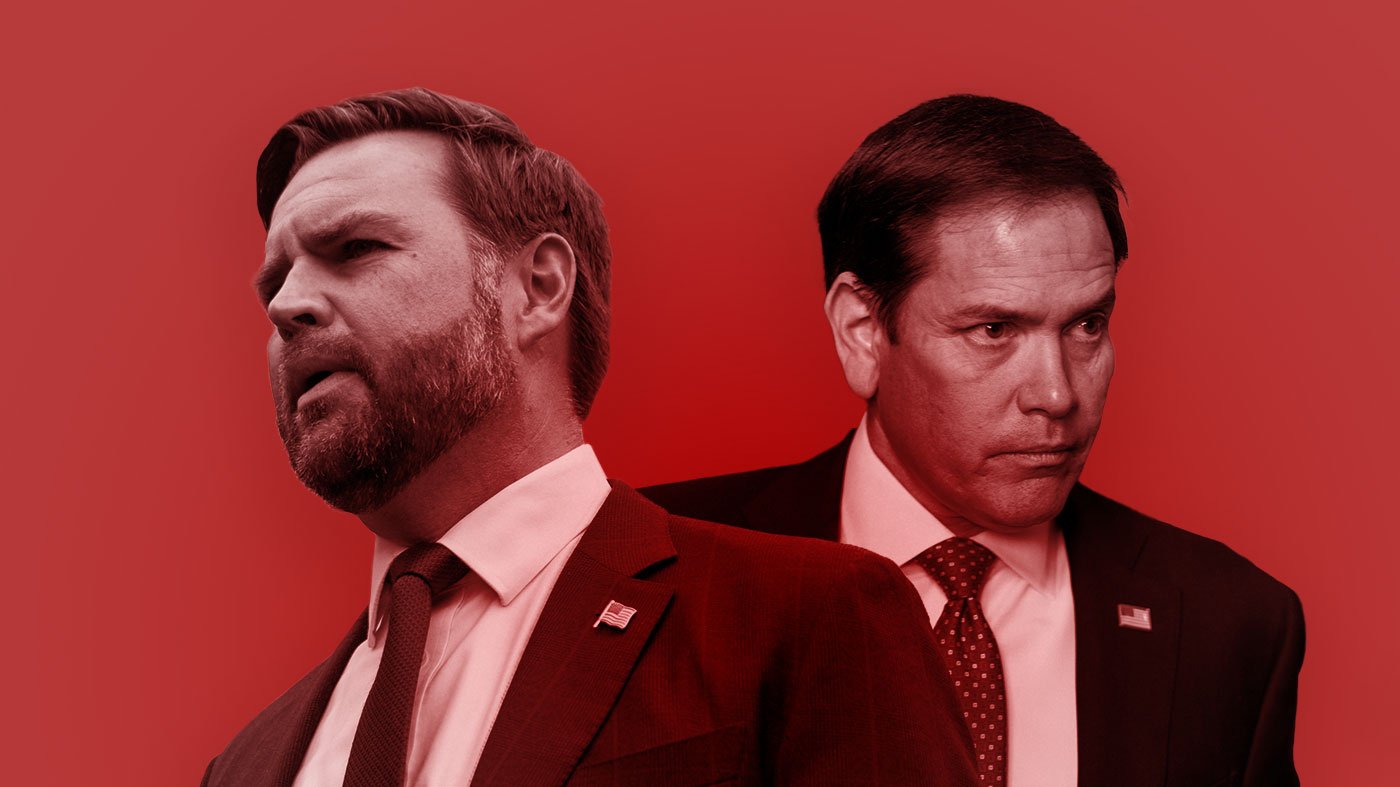
A fresh Emerson College Polling survey reveals a tightening race for the 2028 Republican presidential nomination, with Vice President Vance and Secretary of State Marco Rubio now running neck-and-neck. Among likely GOP primary voters, Vance garnered 36 percent support, while Rubio followed closely at 35 percent—a statistical tie within the poll’s margin of error.
The two figures have emerged as the clear frontrunners, far outpacing other potential candidates. Florida Governor Ron DeSantis and former U.N. Ambassador Nikki Haley each registered just 5 percent support. Fifteen percent of respondents said they remain undecided.
The survey underscores a dramatic shift from February, when Vance held a commanding 52 percent to Rubio’s 20 percent. Spencer Kimball, executive director of Emerson College Polling, noted that the primary landscape has “shifted significantly” and that the contenders now “compete evenly.”
Age divides are evident in the data. Among GOP primary voters over 50, Rubio leads with 41 percent to Vance’s 35 percent. Among younger Republicans, Vance holds a 37 percent to 26 percent advantage. This generational split could shape campaign strategies as both potential candidates build their coalitions.
President Trump, term-limited and unable to run again, has publicly referred to Vance and Rubio as a “dream team,” fueling speculation about whether he will endorse either candidate or push for a joint ticket. The president’s influence remains a wildcard in the emerging contest.
Vance, once a self-described “never-Trump guy,” has long been seen as the heir apparent to the former president. He has downplayed his own ambitions, stating at a recent press conference that he is “not a potential future candidate” but rather “a vice president, and I really like my job.” Rubio, who ran against Trump in 2016 and was sharply critical of him at the time, has seen his political stock rise amid the 2028 chatter. He has previously said he would support Vance if the vice president decides to run.
The poll was conducted May 24-25 among 1,000 likely voters, with a credibility interval of plus or minus 3 percentage points. For the subsample of 432 likely Republican primary voters, the margin is plus or minus 4.7 points.
As the GOP looks toward a post-Trump future, the emerging Vance-Rubio duel could define the party’s direction. Vance, with his appeal to younger conservatives, and Rubio, with his strength among older voters, represent different wings of the coalition. The race remains fluid, with many voters still undecided and Trump’s ultimate stance unknown.