University Commencement Selection Sparks Political Controversy
Utah Valley University has ignited a political firestorm with its selection of a commencement speaker, drawing sharp criticism from student conservative groups who accuse the administration of insensitivity following a campus tragedy. The university chose author and social media commentator Sharon McMahon to deliver the keynote address at its upcoming graduation ceremony, a decision that has prompted organized opposition from the school's Turning Point USA chapter and College Republicans.
Contentious Social Media Posts at Heart of Dispute
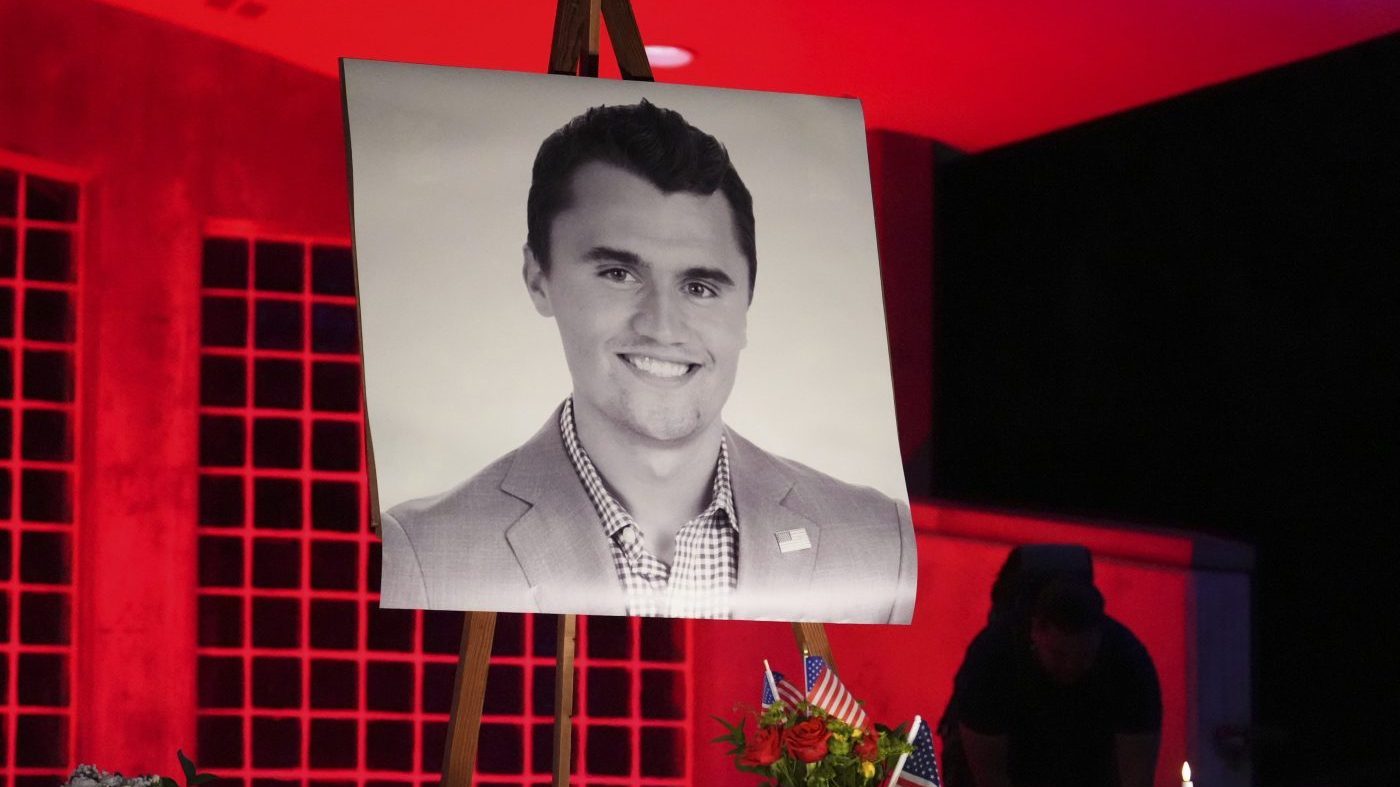
The controversy centers on a series of posts McMahon published on social media platforms in the days following the assassination of conservative activist Charlie Kirk, who was killed during a speaking event on UVU's campus earlier this year. In her commentary, McMahon argued that while Kirk's murder was "horrific and should never have happened," the tragedy did not "magically erase" what she characterized as harmful rhetoric from the activist.
"To many Americans, especially if you are Black, LGBTQ or Muslim, Charlie Kirk was not a person who simply engaged in good-faith debates on college campuses," McMahon wrote in one post, adding that she had reviewed Kirk's debates and videos to understand his statements in context. She later emphasized that "the incredible tragedy of a public assassination does not erase the harm many experienced from his words and the ensuing actions his followers took."
Student Groups Condemn University's Decision
Conservative student organizations have denounced McMahon's comments as opportunistic and disrespectful. In a statement to local media, Caleb Chilcutt, president of UVU's Turning Point USA chapter, called the posts "an effort to tarnish his name and minimize the tragedy." Chilcutt argued that while universities should welcome diverse viewpoints, "platforming someone who treated a historic and tragic political assassination not as a moment to grieve but as an opportunity to create content is tone-deaf and disrespectful to those still affected, especially on this campus."
The criticism reflects broader tensions on college campuses regarding free speech, political violence, and institutional responses to tragedy. The selection comes as similar debates over political rhetoric and campus safety continue to unfold nationally, including recent congressional deliberations on security and surveillance authorities.
Broader Political Context
The controversy emerges against a backdrop of heightened political polarization surrounding campus speakers and institutional neutrality. Similar conflicts have erupted at other universities over speaker selections, often reflecting deeper divisions about the role of educational institutions in curating discourse. This incident follows other high-profile political clashes, such as when Trump administration officials criticized religious leaders for engaging in policy debates.
Chilcutt further expressed disappointment with the university's decision, stating, "There are countless better alternatives, and the fact that the university is choosing McMahon is entirely disappointing to all of us still reeling from his loss. I couldn't be more disappointed in this university for such a hurtful and callous decision." The university has not yet issued a public response to the criticism or indicated whether it will reconsider the speaker selection.
The situation underscores the challenges universities face in balancing free expression with community healing after traumatic events. As institutions navigate these complex dynamics, decisions about platforming and recognition continue to generate intense debate about memory, politics, and institutional responsibility in polarized times.