The United States has formally cautioned Australia against proceeding with proposed social media algorithm reforms, warning that the measures could effectively enable censorship. In a submission to the Australian government, the U.S. Embassy in Canberra expressed "serious concerns" about proposals that would require platforms to notify users and offer content through a default algorithm, arguing that such mandates could suppress protected speech.
The embassy's statement, reported on Tuesday, highlighted that if Australia compels platforms to aggressively filter content in algorithmic feeds to meet government mandates, the impact on disfavored speakers or media sources could be tantamount to outright removal. "The U.S. government would likely consider such a measure as facilitating censorship," the embassy said.
The draft legislation under consideration would allow users to opt out of algorithmic recommendations and instead see only posts from accounts they choose to follow. However, U.S. officials raised concerns about how the Australian government or its communications minister would define "foreseeable harm," and warned that mandated changes to algorithms could lead to "pre-emptive censorship" as platforms suppress expression to avoid liability.
Washington also cautioned that these reforms could have global repercussions, affecting what users "see, say and hear not just in or from Australia, but globally." The U.S. advised Canberra to clearly define who determines "harm" and "risk," and to avoid vague definitions that could be misused.
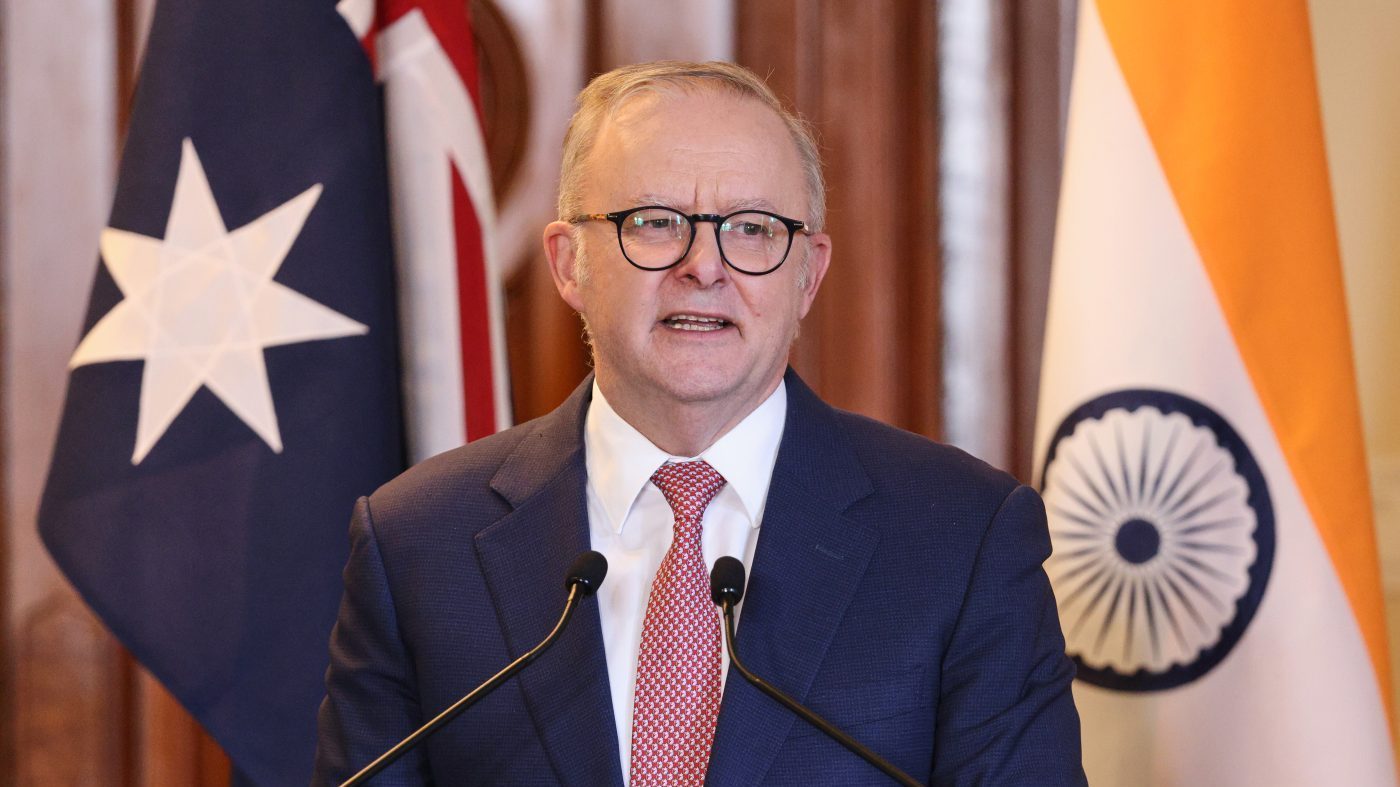
Australian Prime Minister Anthony Albanese, who is in New York for the United Nations General Assembly, defended the proposals, saying they are not about expanding government power but about giving users more control over their content preferences. "I will always stand up for Australia's national interests, and the (reform) is something we have foreshadowed for some time," Albanese told reporters, according to Reuters.
The U.S. warning is part of a broader pattern under the Trump administration, which has criticized international efforts to regulate social media and combat hate speech and misinformation. Last December, the State Department imposed visa bans on five European officials, including former French EU Commissioner Thierry Breton, accusing them of leading "organized efforts to coerce American platforms to punish American viewpoints they oppose."
Secretary of State Marco Rubio has also accused the European Union's Digital Services Act of unfairly targeting American tech companies and citizens. However, a federal judge in July blocked the State Department from enforcing the visa ban and deporting foreign nationals studying misinformation, ruling that the policy infringed on their First Amendment rights.
Australia's proposed reforms are seen as a test case for how democracies balance user empowerment with concerns about censorship and platform accountability. The U.S. warning adds a significant diplomatic dimension to the debate, as Canberra weighs its next steps.