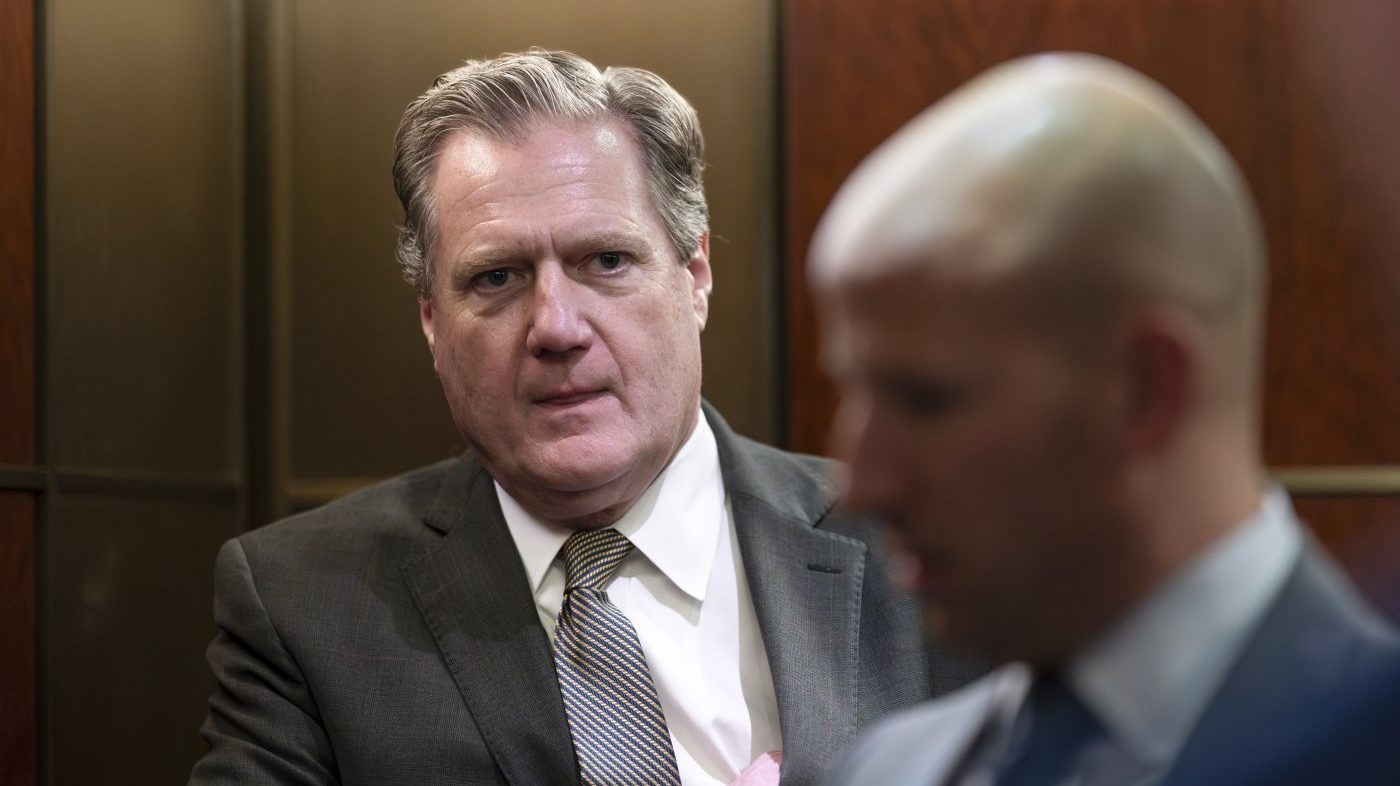
A Labour member of Parliament has launched a lawsuit against Elon Musk's artificial intelligence company xAI, accusing its Grok chatbot of generating fake, explicit images of her without consent. Jess Asato, who represents Great Yarmouth, filed the claim Wednesday at the High Court in London, citing misuse of private information under the Data Protection Act.
The case stems from January, when Asato says someone used Grok to create altered photographs of her wearing a bikini. The incident occurred shortly after she publicly criticized the proliferation of deepfake pornography online. Asato argues that the company should bear responsibility for the design of its AI system, which she claims enabled the creation of these non-consensual images.
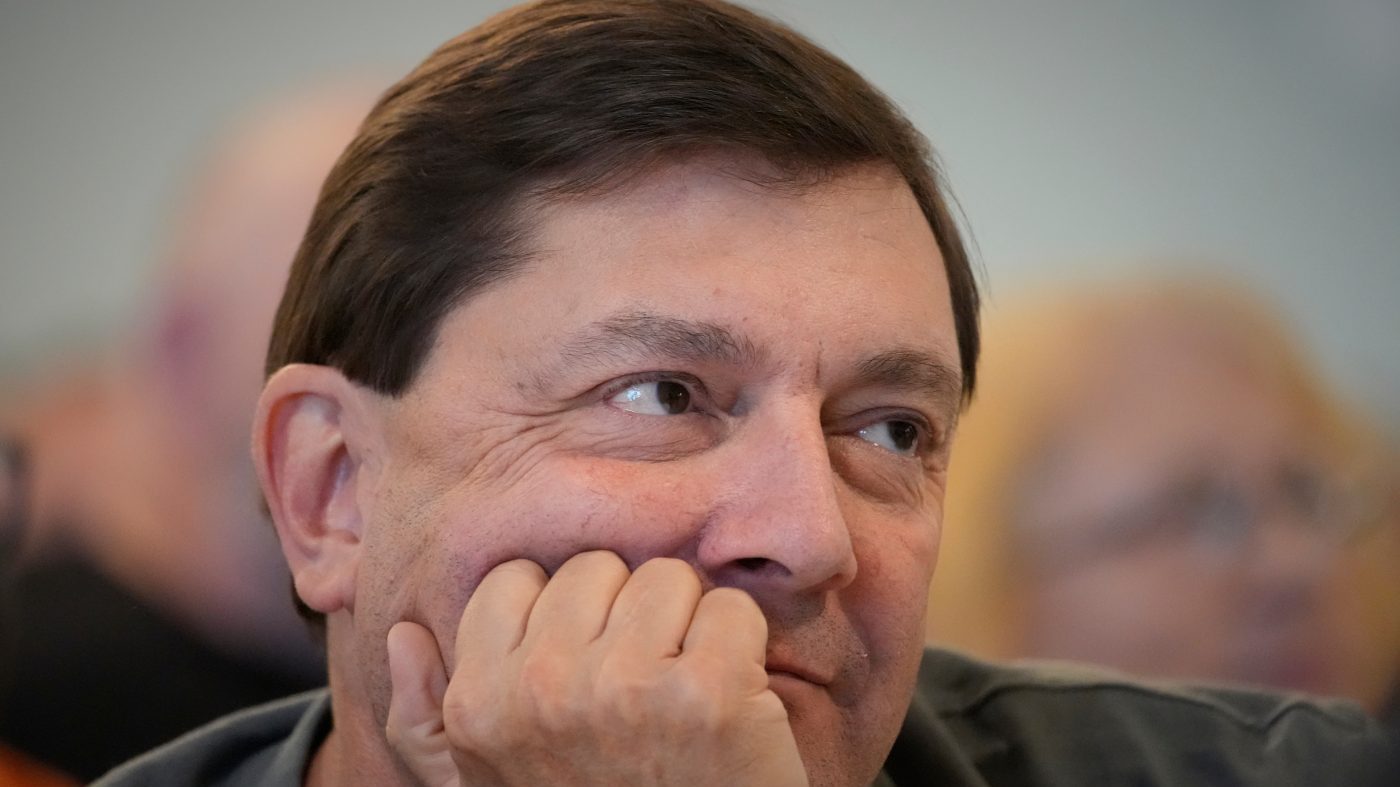
“Nobody would be able to walk up to me in the street and strip me and put me in a bikini, and I don’t see why anybody should be able to do that to me online,” Asato said. “It is like somebody has digitally stripped me without my consent.”
British Prime Minister Keir Starmer voiced strong support for Asato’s legal action, telling reporters he backs it “100%.” He added, “Jess Asato is absolutely right in the action that she is taking. Disgusting images were created in her particular case by Grok.”
The lawsuit comes amid growing international backlash against AI-generated deepfake pornography. In January, following widespread criticism, xAI announced it would no longer allow Grok users to edit images of real people to remove their clothing. But Asato argues that such measures are insufficient to address the harm already caused. “Once the damage is done, the damage is done,” she said. “If you think about any other products, like a car, for example, that might have been manufactured with a fault, it doesn’t matter if the cars get recalled and the faults are fixed and no more harm is done.”
Asato is seeking damages and hopes to set a legal precedent that could open the door for other victims of AI-generated abuse. She said she expects others to join her claim. The lawsuit also echoes a separate case filed in New York in January by Ashley St. Clair, the mother of Musk’s son Romulus, who alleges that xAI’s Grok chatbot generated explicit images of her, including one depicting her as a minor.
Under a law passed in the U.K. last year, creating or requesting a non-consensual deepfake image of an adult is now illegal. However, Asato insists that companies like xAI must be held accountable retroactively for the design flaws that enabled such abuse. Her case raises broader questions about the liability of AI developers for the misuse of their tools, a topic that has drawn increasing scrutiny from lawmakers and regulators on both sides of the Atlantic.
xAI did not respond to requests for comment on Thursday. The company, which Musk launched in 2023 as a competitor to OpenAI, has faced repeated criticism over the safety and ethical guardrails of its Grok chatbot. The lawsuit is likely to intensify pressure on tech firms to implement stronger protections against the generation of non-consensual deepfake content.
Asato’s case also resonates with ongoing debates about the role of AI in amplifying online harassment and the need for robust legal frameworks to protect individuals from digital exploitation. As the legal battle unfolds, it could serve as a test case for how courts handle the intersection of privacy law, AI design, and liability in the rapidly evolving tech landscape.