U.S. military forces carried out a lethal strike against a suspected drug-trafficking vessel in the Caribbean Sea this week, an operation that resulted in four fatalities. According to U.S. Southern Command (Southcom), the targeted boat was operated by a designated terrorist organization and was intercepted while transiting known smuggling corridors.
The command stated the vessel was actively engaged in narcotics trafficking operations. Southcom released a brief video of the engagement and confirmed no American personnel were injured. The specific terrorist group involved was not identified in the initial announcement.
Escalating Counter-Narcotics Campaign
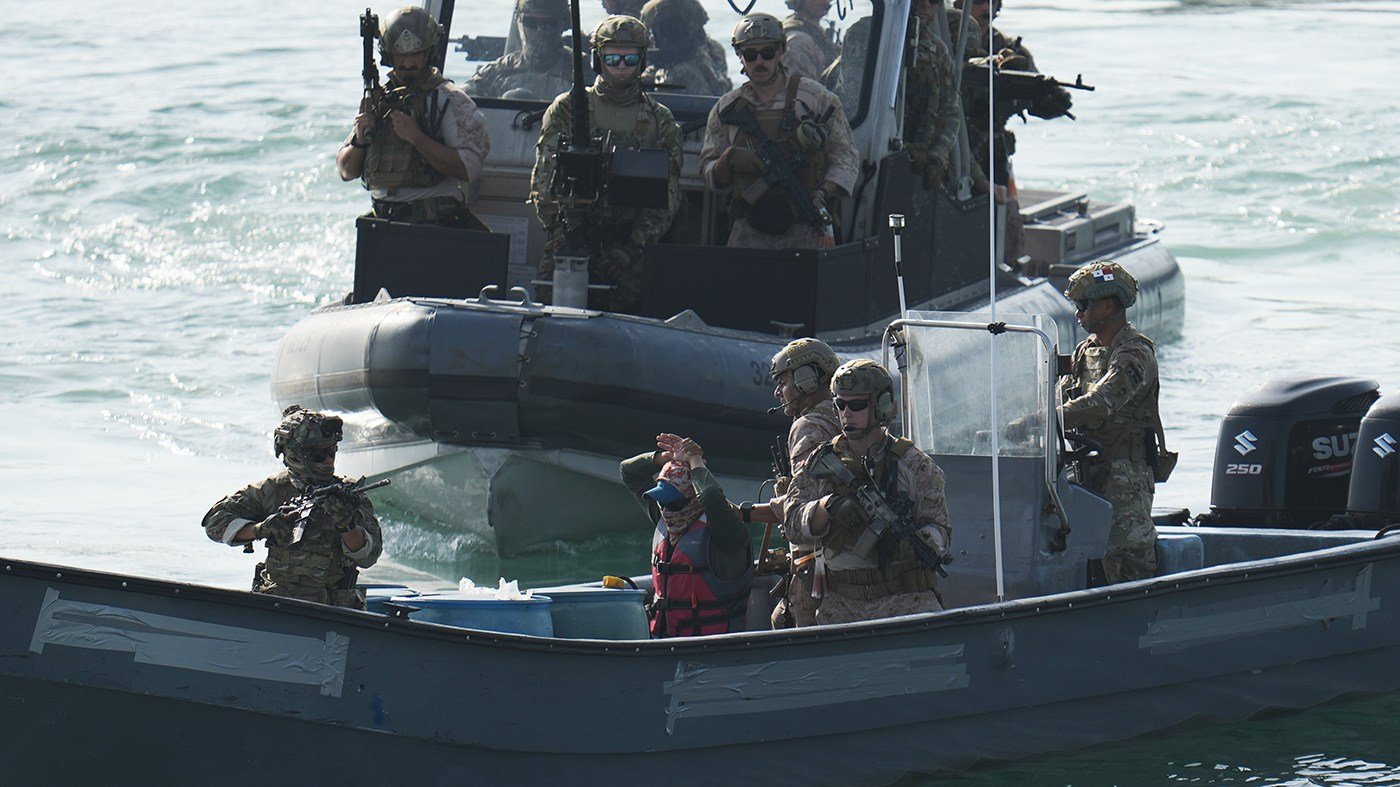
This incident represents the latest action in an intensified military campaign against maritime drug smuggling networks. Since early September of last year, U.S. forces have executed at least 47 similar strikes in the Caribbean and Eastern Pacific regions, claiming the lives of over 160 individuals labeled as 'narco-terrorists' by the Pentagon.
The Trump administration has consistently defended these operations as a critical component of its strategy to disrupt the flow of illicit narcotics toward the United States. Officials argue that targeting the transportation infrastructure of cartels and affiliated terrorist groups is necessary to curb supply.
Legal and Ethical Controversies
These lethal strikes, however, remain deeply contentious. Numerous international law experts and human rights organizations have challenged their legality, arguing they may constitute extrajudicial killings that violate international humanitarian law, especially when conducted outside of recognized armed conflict zones.
The debate highlights the blurred lines in U.S. security policy between law enforcement and military action. The administration's use of the term 'narco-terrorist' to describe individuals on drug-smuggling vessels is a central part of its legal justification for employing lethal force.
This Caribbean strike is the first of its kind this month in that region. It follows a separate engagement last week in the Eastern Pacific where a U.S. strike on a suspected smuggling boat initially left three individuals alive. The Coast Guard later reported that two were found deceased, with the survivor transferred to Costa Rican authorities.
Broader Strategic Context
The operation occurs against a backdrop of ongoing scrutiny of U.S. military actions abroad. Recent public opinion polling has shown significant domestic concern over perceived excessive use of force in some theaters, a sentiment that could extend to counter-narcotics operations.
Furthermore, the administration's approach to military engagement continues to evolve, as seen in other regions. For instance, following a recent pause in strikes against Iran amid claims of diplomatic progress, some allies have urged a focus on negotiation over confrontation. The legal and operational frameworks for these various actions remain under constant review, with developments like the recent court decision affecting Pentagon media policy adding layers of complexity to public accountability.
As the campaign against drug-trafficking organizations with terrorist ties continues, the balance between assertive military intervention, international law, and diplomatic strategy will likely face continued examination from allies, adversaries, and observers alike.