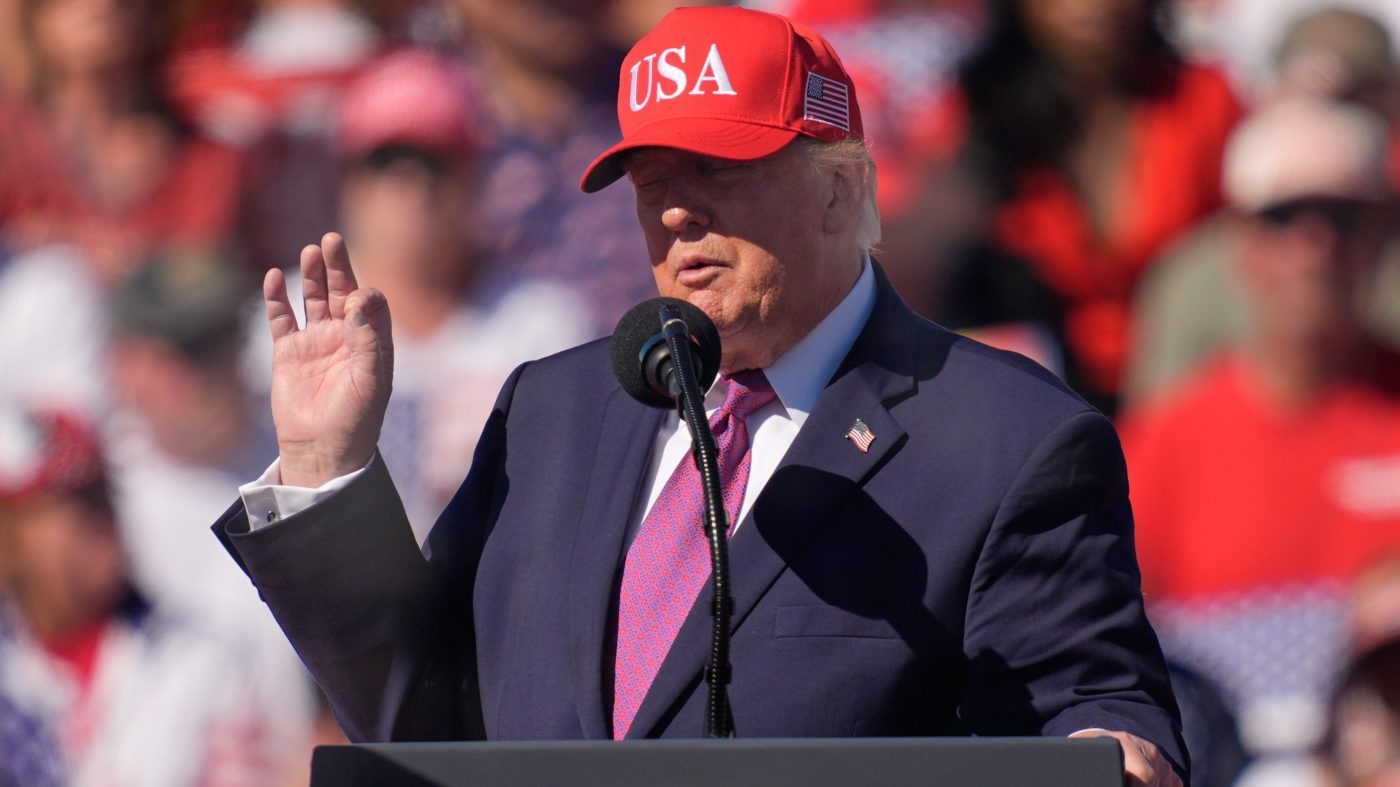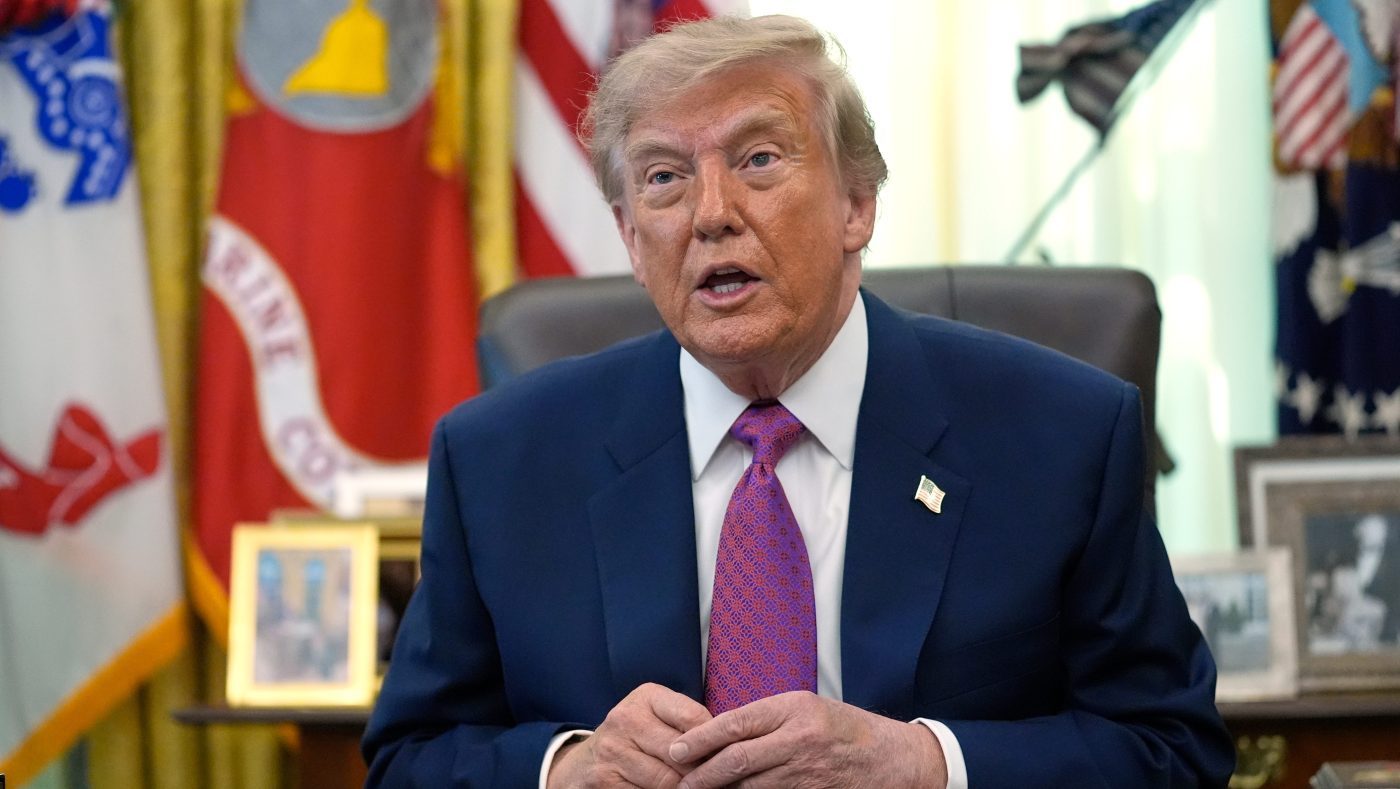
President Trump escalated his trade war with Canada on Sunday, declaring he doesn't want U.S. businesses to import Canadian goods. In a post on Truth Social, Trump framed his tariffs as a victory for American manufacturing, claiming they "revived, and indeed saved" the domestic auto industry, pointing to profits at Ford, General Motors, and other carmakers during his second term.
Trump's comments come as his 50 percent tariffs on $27.6 billion worth of Canadian imports took effect earlier this month. He called Canada "one of the worst abusers" in trade, accusing the country of "ripping us off for decades." The president added, "This should have happened long ago with other Presidents, just as stopping Iran should have happened long ago," referencing his broader trade and foreign policy agenda.
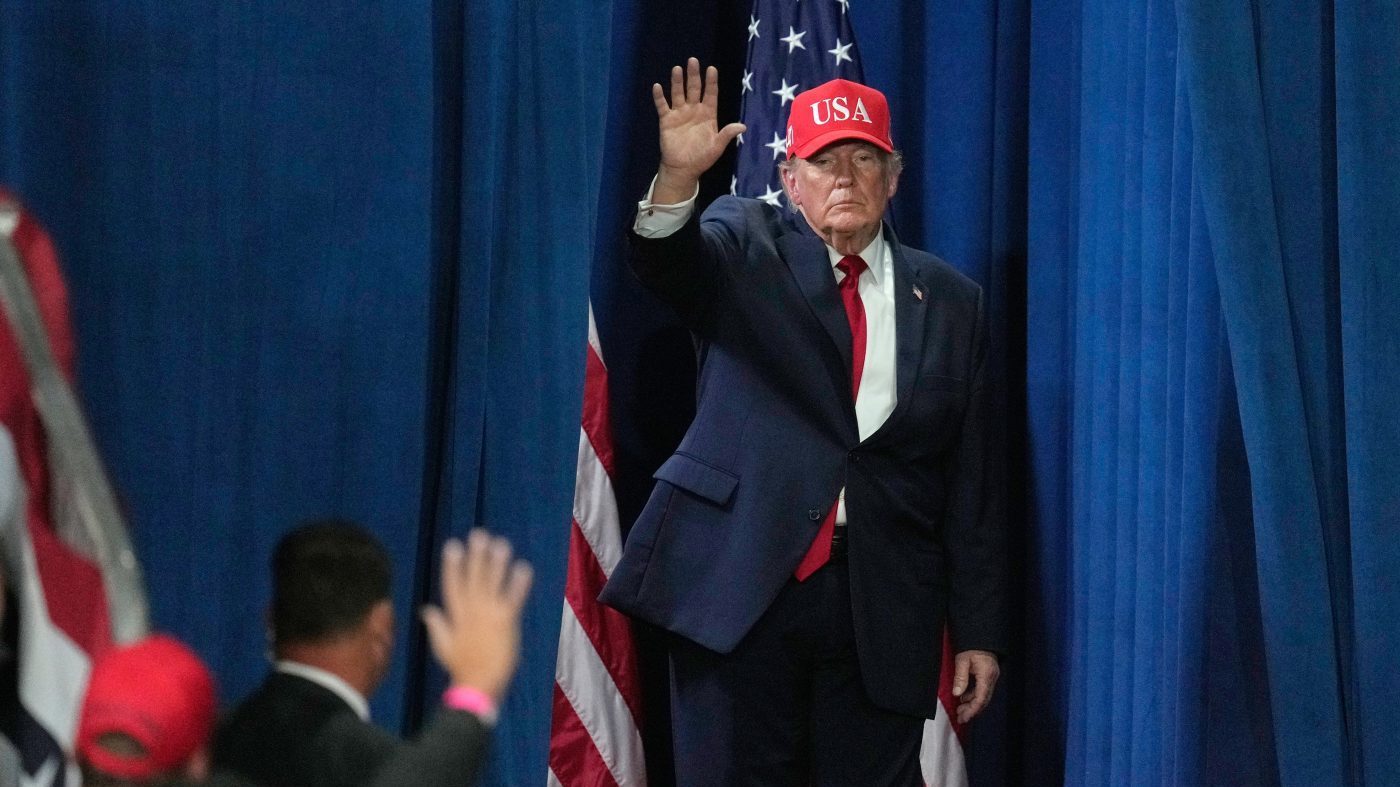
The president also took aim at Canada's political status, saying the Canadian government "wants to be treated like a State, but they aren't one." He claimed that while he deals "with the Leadership of many Countries," he finds Canada "to be the worst," concluding, "They are entitled no longer!"
The tariffs apply to a wide range of Canadian products, including wine, hockey sticks, cement, natural honey, and wallpaper. According to U.S. Census Bureau data, these tariffs cover about 5 percent of U.S. imports from Canada, which totaled nearly $382 billion last year.
Canada has announced retaliatory tariffs set to take effect on Sept. 8, targeting steel, dairy, appliances, agricultural equipment, pulp and paper, and electronics. The Canadian Department of Finance said these tariffs will match the rates imposed by the U.S., ranging from 15 to 50 percent depending on the product.
This latest salvo intensifies the trade dispute between the two neighbors, which has already disrupted supply chains and raised costs for businesses on both sides of the border. The escalation also complicates efforts by some Republicans to frame the administration's trade policy as a win for American workers, as economic and foreign policy choices reshape the midterm map.
Trump's hardline stance on Canada is part of a broader pattern of trade confrontations, including recent moves against Venezuela. Critics, however, have blasted such deals as "private profit" grabs, while the administration defends them as strategic. The president's focus on trade wars has also raised concerns among GOP strategists, who worry about the political fallout heading into the midterms.
As the tariffs take effect, U.S. businesses that rely on Canadian imports face higher costs, and Canadian industries are bracing for the impact of retaliatory measures. The dispute shows no signs of abating, with Trump vowing to continue his tough approach.