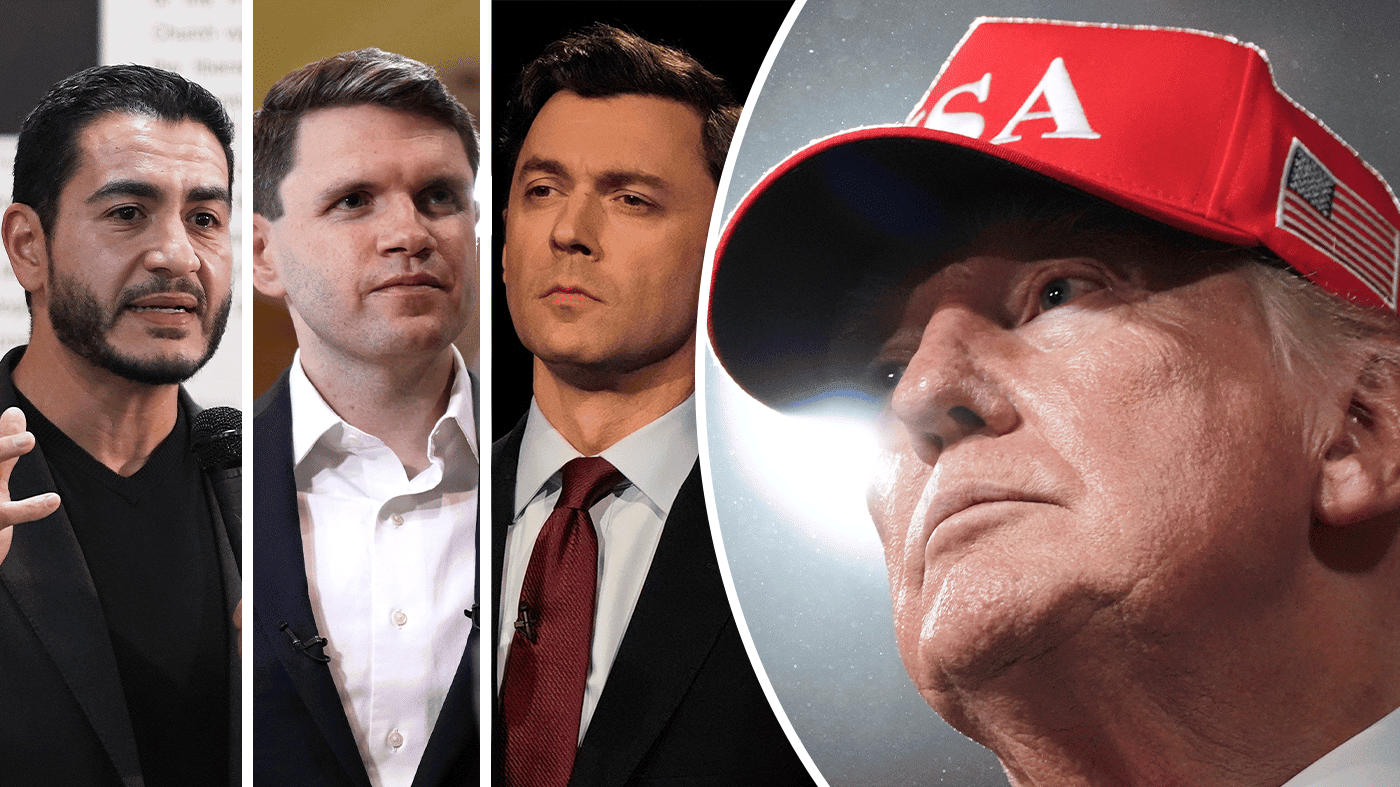
Recent primary elections have cemented an undeniable reality: President Trump now commands the Republican Party with a level of control not seen since Ronald Reagan. Trump’s endorsement record stands at an unprecedented 118-0, toppling even high-profile incumbents like Sens. John Cornyn (R-Texas) and Bill Cassidy (R-La.). The sweep has forced out lawmakers who oppose him and elevated loyalists. House Speaker Mike Johnson (R-La.) recently told reporters that Trump’s endorsement “is the most powerful in the history of politics.”
The last figure to wield such unquestioned leadership was Reagan. The comparison may draw skepticism, but the parallels are striking. Both men speak in plain language that resonates with everyday voters. Both have a reputation for getting things done. And both injected new energy into a Republican Party that was, in their respective eras, struggling for direction.
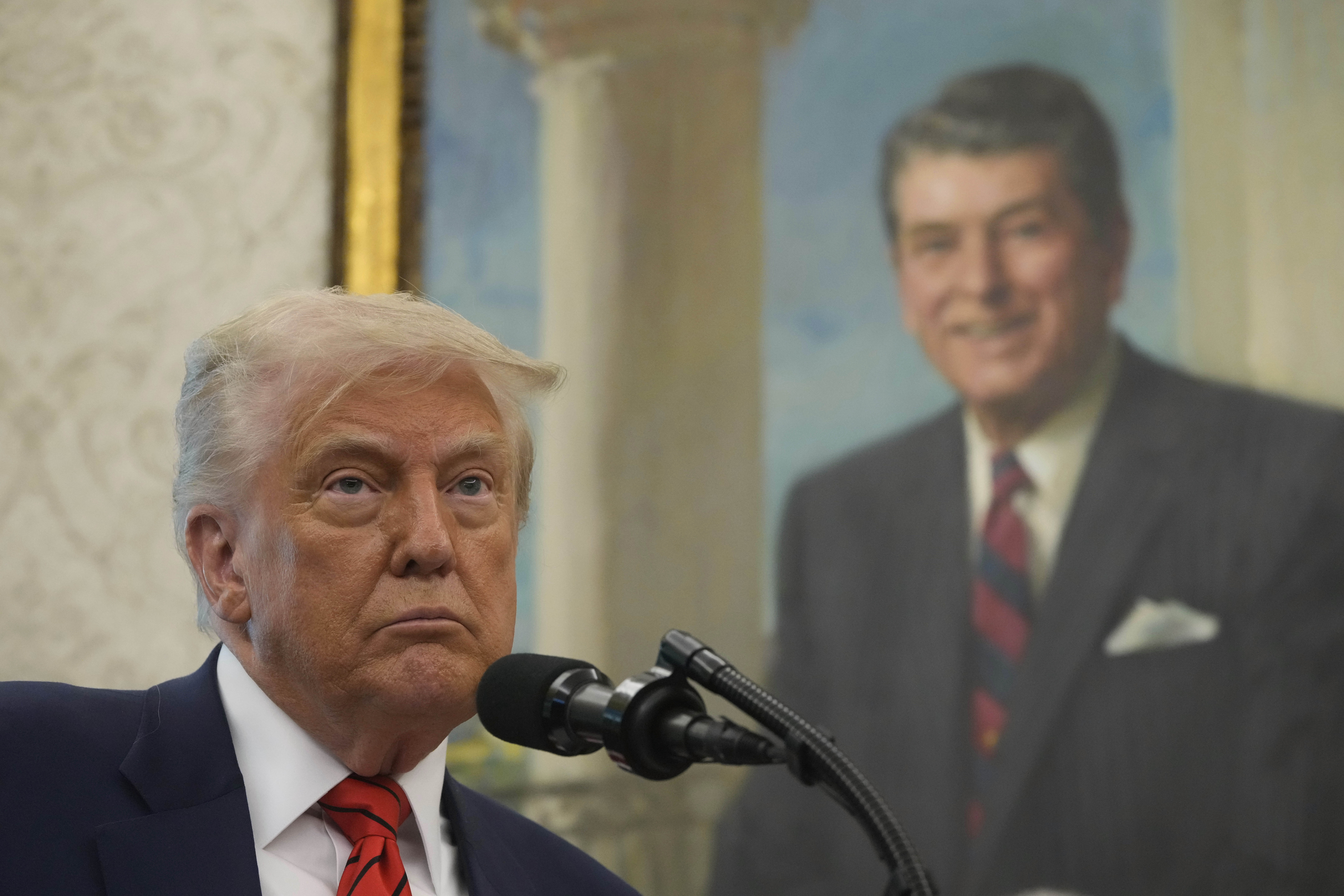
Reagan is celebrated for confronting the Soviet Union with his “peace through strength” doctrine, yet he also negotiated the first arms-control agreement with the “Evil Empire”—a move that drew fire from hardline conservatives who accused him of going soft on communism. Trump faces similar criticism over his approach to Iran. His administration’s aggressive posture has led to conflict, but if he can negotiate a peace deal that eliminates the nuclear threat from the Middle East’s largest state sponsor of terror and expands the Abraham Accords, he could reshape the region’s future. A similar opportunity exists with Cuba, where the White House has taken a hard line against a regime that has provided a foothold for adversaries just 90 miles from U.S. shores.
When Reagan won the presidency in 1980, his landslide victory gave Republicans control of the Senate for the first time in 26 years. He revived a party shattered by the Nixon era and Gerald Ford’s lackluster campaign. Trump has similarly energized the GOP, expanding its reach into traditionally Democratic voting blocs, including Hispanics and young people, and mobilizing voters who had previously felt left behind by the political system.
Critics argue that Trump, a former real estate developer, does not embody true Reagan conservatism. Yet his priorities—limited government, a strong national defense, religious freedom, individual liberty, universal opportunity, and national pride—are the very pillars of Reagan’s legacy. Just as Reagan struggled to bring the party along with his ambitions, so has Trump. Early in Reagan’s tenure, conservatives and old-guard Republicans mocked his “voodoo” supply-side economics and his overtures to Russia. Trump has faced similar pushback from the right over his trade and tariff policies and the Iran conflict.
Like Trump, Reagan unnerved many moderate Republicans. George H.W. Bush ran against Reagan in the 1980 primaries, criticizing his plans for tax cuts, deregulation, and welfare reform. During Reagan’s early years, Senate leaders like Howard Baker (R-Tenn.) and Bob Dole (R-Kan.)—both known for centrist, bipartisan instincts—echo the discomfort that figures like Mitch McConnell (R-Ky.) and John Thune (R-S.D.) have shown toward Trump’s disruptive style. Reagan sometimes found Republicans in Congress working against him. Dole fought his income tax cuts, while others opposed a 5-cent gas tax increase for infrastructure. Hardliners in the Senate also criticized Reagan’s nuclear arms control treaty with Soviet leader Mikhail Gorbachev as soft on communism.
Both Trump and Reagan campaigned on reducing the fiscal deficit, and both promoted tax cuts that critics say worsened deficits. Reagan’s tax cuts spurred high growth; government spending fell from 22.2% to 21.2% of GDP, and he shrank the federal workforce by about 5%. Trump’s first-term tax cuts boosted real GDP growth to 3.35% in 2019, the highest since 2004, but the pandemic and subsequent spending—especially under Joe Biden—drove deficits and inflation, making Trump’s economic legacy harder to assess. His administration did shrink the federal workforce to its smallest size in decades.
As Trump’s influence over the GOP deepens, the echoes of Reagan’s legacy remain a powerful lens through which to understand the party’s evolution. Whether Trump can ultimately match Reagan’s transformative impact is uncertain, but for now, his hold on the Republican Party is as firm as any since the Gipper’s day.